


20
2026
-
02
Understanding PPH Hot Melt Pipe Fittings: Benefits and Applications
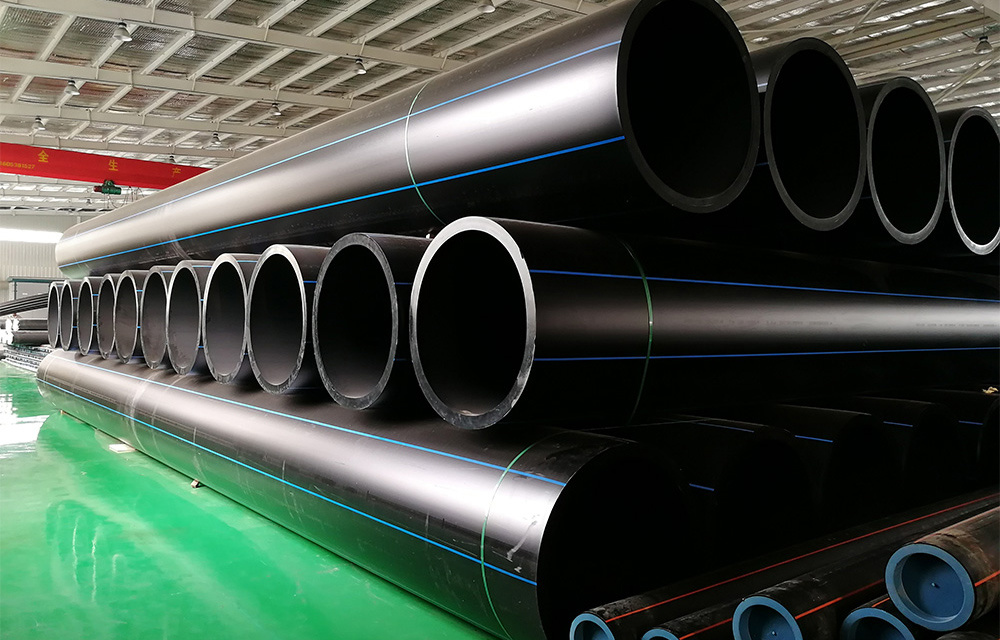
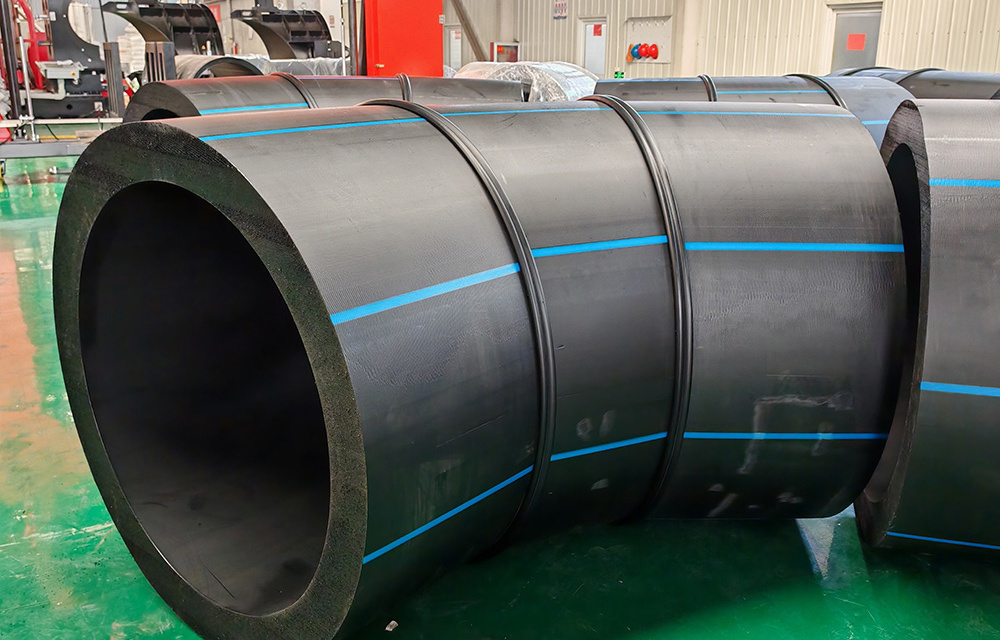
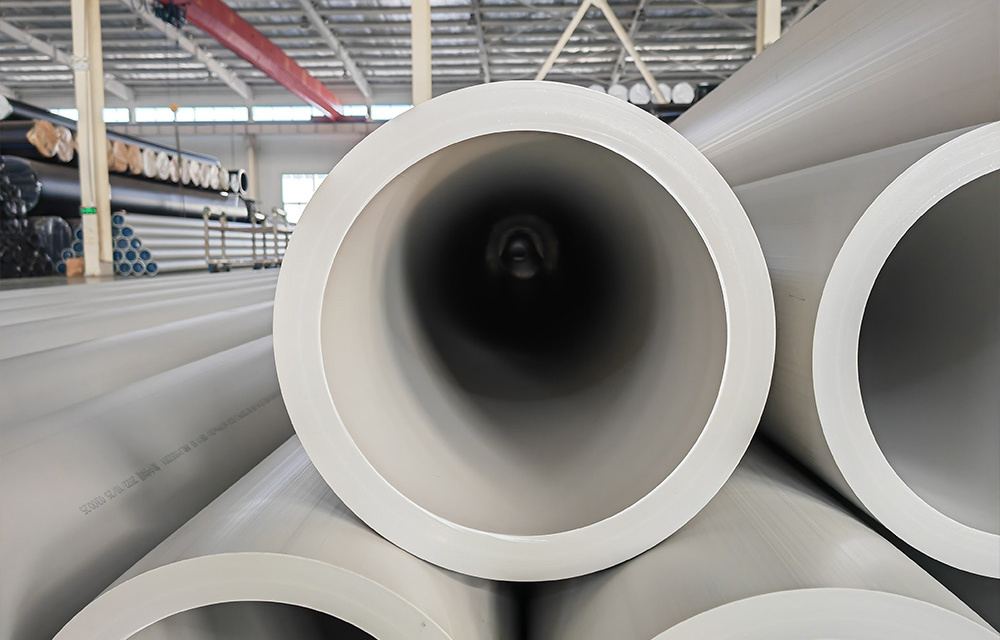
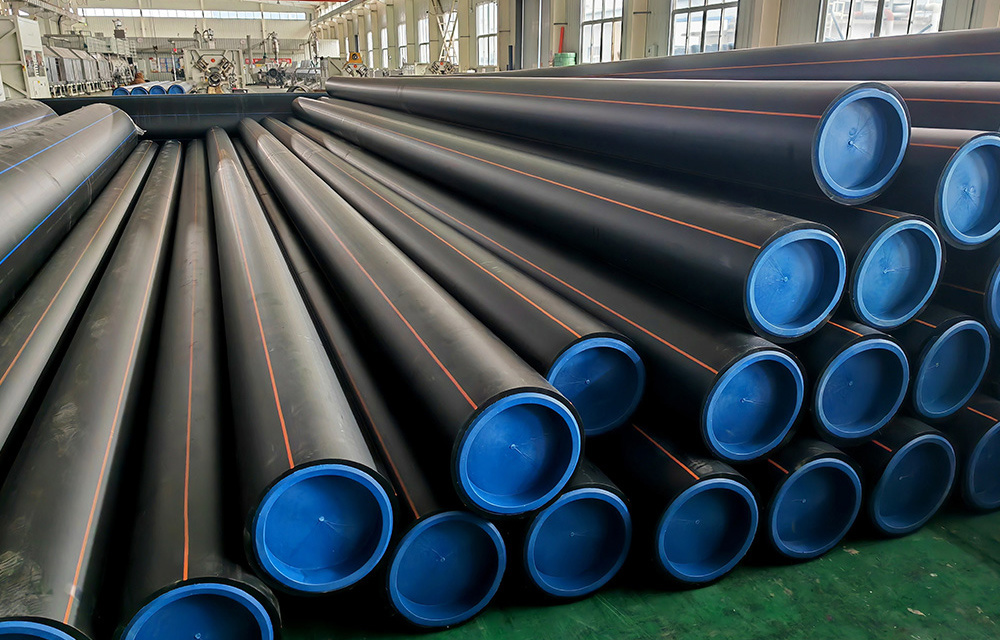
PPH hot melt pipe fittings are increasingly gaining attention in the construction and decoration materials sector, particularly for their efficient and reliable performance in various piping systems. Made from polypropylene homopolymer (PPH), these fittings are known for their excellent resistance to corrosion and chemical damage, making them suitable for a wide range of applications in both resid
One of the primary advantages of using PPH hot melt pipe fittings is their ease of installation. The hot melt process allows for seamless joining of the pipes, which not only reduces the potential for leaks but also enhances the overall integrity of the piping system. The fittings can be easily shaped and melted, ensuring a tight fit that can withstand pressure and temperature fluctuations. This characteristic is particularly beneficial in environments where traditional fittings might fail due to environmental stresses.
In addition to their durability, PPH hot melt pipe fittings are lightweight, making them easy to handle and transport. This attribute is essential for contractors and construction professionals who require materials that are not only efficient but also convenient. The lightweight nature of these fittings contributes to lower shipping costs and simplified installation processes, ultimately saving time and resources on construction projects.
Moreover, PPH fittings exhibit excellent thermal insulation properties. This feature helps maintain the temperature of the fluids being transported, which is particularly important in applications involving hot or cold liquids. The insulation capabilities of PPH hot melt pipe fittings can lead to energy savings and increased efficiency over time, making them an environmentally friendly choice.
Applications for PPH hot melt pipe fittings are vast. They are often used in plumbing systems, chemical processing, and even in food and beverage industries, where hygiene and material integrity are paramount. The ability to resist harsh chemicals and maintain structural integrity under challenging conditions makes them a go-to option for many professionals in the field.
When considering PPH hot melt pipe fittings for your projects, it is essential to evaluate specific requirements such as pressure ratings, temperature tolerances, and compatibility with other materials. Understanding these factors will enable you to select the most appropriate fittings for your particular application, ensuring a successful and efficient installation.
In summary, PPH hot melt pipe fittings combine durability, ease of installation, and versatility, making them a valuable resource in the construction and decoration materials industry. Their applications span a wide range of sectors, offering reliable solutions for both residential and industrial piping systems. By incorporating these fittings into your projects, you can achieve enhanced performance and longevity of your piping systems.

Customer Service Hotline
Sales Department Email
Website (Web)
Customer Service Email
Business Cooperation Email
Address
No.32 Donghai Road, Cangzhou Development Zone, Hebei Province, China
Company Address
No. 32 Donghai Road, Cangzhou Development Zone, Hebei Province, China