


19
2026
-
02
HDPE Pipe vs. Traditional Materials: A Comprehensive Pipe Jacking Comparison
HDPE Pipe vs. Traditional Materials: A Comprehensive Pipe Jacking Comparison Table of Contents Introduction to Pipe Jacking What is HDPE Pipe? Traditional Pipe Materials: An Overview Advantages of HDPE Pipes Disadvantages of HDPE Pipes Advantages of Traditional Pipe Materials Disadvantages of Traditional Pipe Materials Pipe Jacking Methods and Their Applications
HDPE Pipe vs. Traditional Materials: A Comprehensive Pipe Jacking Comparison
Table of Contents
- Introduction to Pipe Jacking
- What is HDPE Pipe?
- Traditional Pipe Materials: An Overview
- Advantages of HDPE Pipes
- Disadvantages of HDPE Pipes
- Advantages of Traditional Pipe Materials
- Disadvantages of Traditional Pipe Materials
- Pipe Jacking Methods and Their Applications
- Cost Comparison: HDPE vs. Traditional Materials
- Environmental Impact of HDPE and Traditional Materials
- Case Studies: Real-World Applications of HDPE and Traditional Pipes
- Frequently Asked Questions
- Conclusion
Introduction to Pipe Jacking
Pipe jacking is an advanced construction technique used for laying pipelines underground without extensive excavation. This method not only minimizes surface disruption but also mitigates potential environmental impacts. As this technology evolves, the choice of materials becomes crucial. Among the leading contenders are High-Density Polyethylene (HDPE) pipes and traditional materials like concrete, steel, and ductile iron. Understanding the strengths and weaknesses of each material can help engineers and project managers make informed decisions that align with project goals and sustainability efforts.
What is HDPE Pipe?
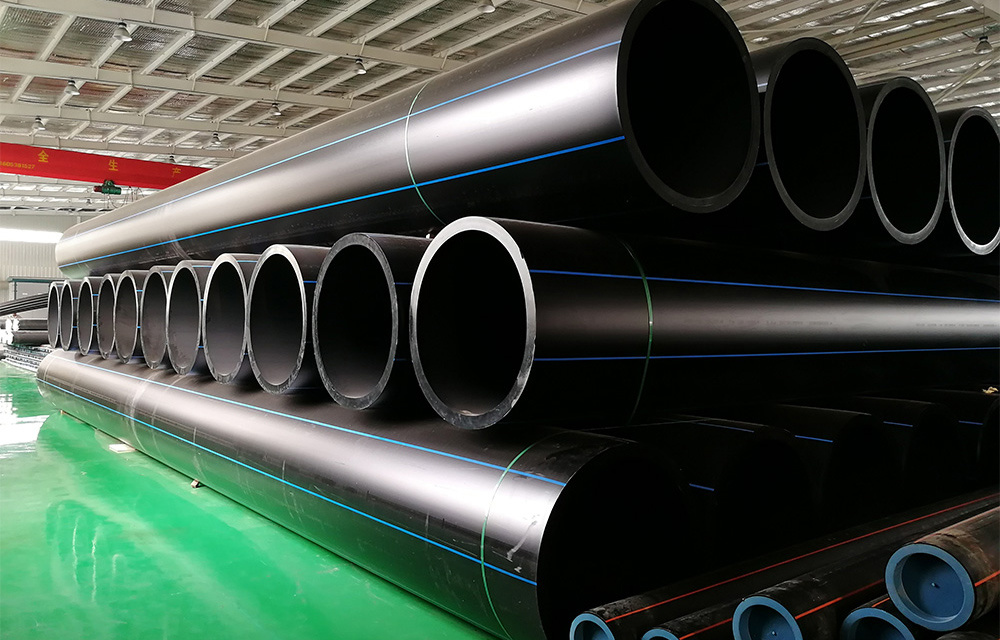
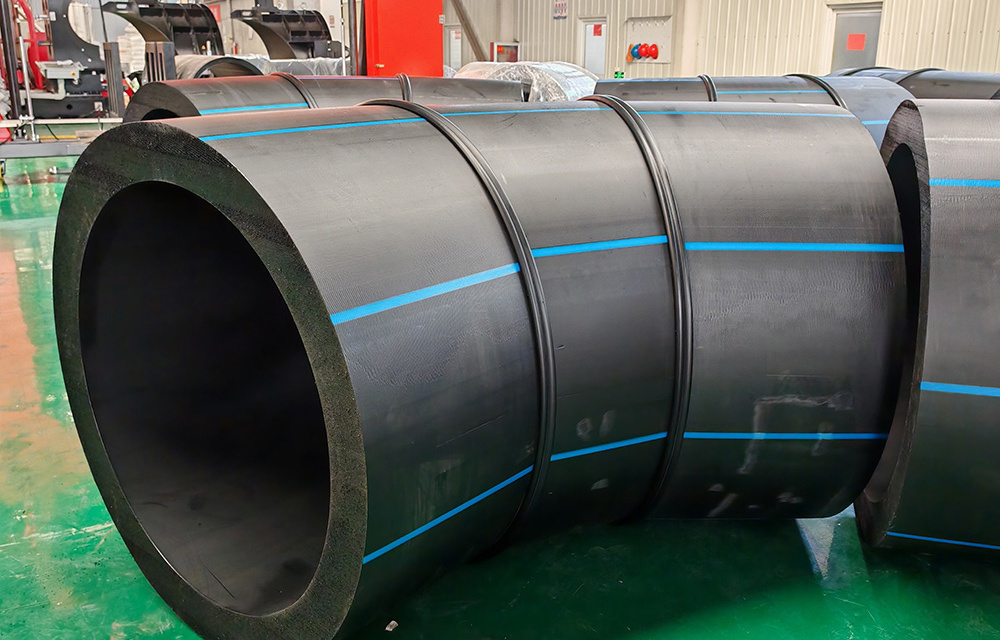
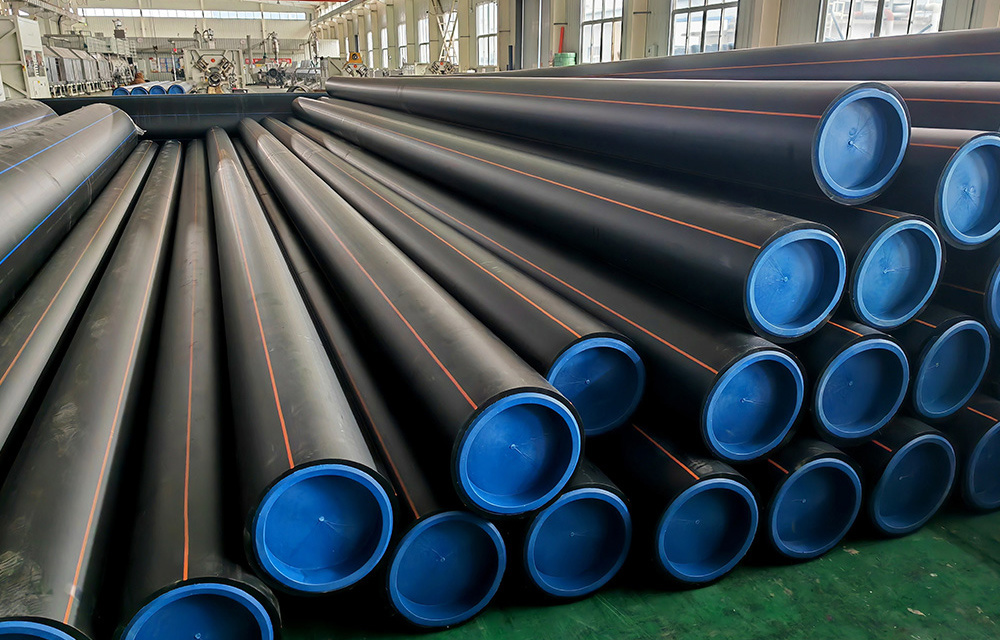
HDPE, or High-Density Polyethylene, is a thermoplastic polymer known for its strength and versatility. It is widely recognized for its superior resistance to corrosion, chemicals, and environmental stress. Used in various applications, including water supply, sewer systems, and gas distribution, HDPE pipes are favored for their durability and flexibility, making them ideal for pipe jacking operations.
Key Properties of HDPE Pipes
- Flexibility: HDPE pipes can bend without breaking, allowing for easier installation in challenging environments.
- Corrosion Resistance: Unlike metal pipes, HDPE does not corrode, thereby extending its lifespan.
- Low Friction Coefficient: This property reduces pumping costs and improves flow efficiency.
Traditional Pipe Materials: An Overview
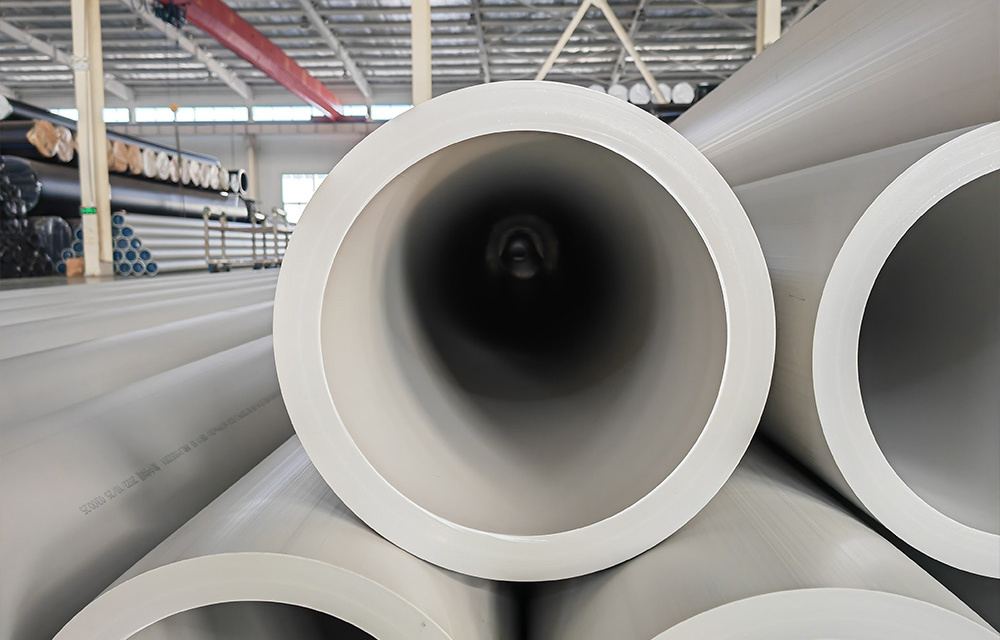
Traditional materials for pipe installation typically include concrete, ductile iron, and steel. Each of these materials has distinct characteristics that affect their performance in pipe jacking applications.
Concrete Pipes
Concrete pipes are robust and have excellent load-bearing capabilities. However, they are heavy and can be challenging to install, requiring more substantial lifting equipment during the jacking process.
Ductile Iron Pipes
Ductile iron offers a good balance of strength and flexibility, making it a popular choice for water and wastewater applications. Yet, it is susceptible to corrosion, necessitating protective coatings.
Steel Pipes
Steel pipes are known for their strength and durability. However, like ductile iron, they require coatings to prevent rust and corrosion, adding to long-term maintenance costs.
Advantages of HDPE Pipes
HDPE pipes offer several advantages that make them a popular choice for modern infrastructure projects:
1. Lightweight and Easy to Handle
HDPE pipes are significantly lighter than traditional materials, which simplifies transportation and installation. This characteristic is particularly beneficial in pipe jacking, as it reduces the overall weight borne by the jacking equipment.
2. Cost-Effective Over Time
While the initial cost of HDPE pipes may be comparable to traditional materials, their long lifespan and lower maintenance needs lead to cost savings in the long run. The resistance to corrosion and environmental factors further enhances their economic viability.
3. High Resistance to Environmental Stress
HDPE pipes can withstand a wide range of temperatures and have excellent resistance to chemicals and UV radiation, making them suitable for various environmental conditions.
Disadvantages of HDPE Pipes
Despite their numerous advantages, HDPE pipes also have limitations:
1. Vulnerability to UV Degradation
HDPE can degrade when exposed to direct sunlight for extended periods. Therefore, protective measures must be taken for above-ground applications.
2. Joint Integrity
The performance of HDPE pipes largely depends on the quality of the joints. Poorly executed joints can lead to leaks and other issues over time.
Advantages of Traditional Pipe Materials
Traditional pipe materials also boast several benefits that make them relevant in specific applications:
1. Proven Track Record
Concrete, ductile iron, and steel have been used for decades, establishing their reliability and effectiveness in various applications.
2. High Load-Bearing Capacity
Concrete pipes, in particular, have exceptional load-bearing capacities, making them suitable for heavy traffic areas.
3. Resistance to Impact
Traditional materials such as ductile iron have high impact resistance, which can be beneficial in environments where pipes might be subjected to external forces.
Disadvantages of Traditional Pipe Materials
While traditional materials have their strengths, they also come with notable drawbacks:
1. Corrosion and Maintenance Issues
Metal pipes such as steel and ductile iron are susceptible to corrosion, necessitating regular maintenance and protective coatings, which increase long-term costs.
2. Heaviness and Complexity in Installation
Concrete and metal pipes are heavier, making installation more complex and requiring specialized equipment, which can elevate project costs and timelines.
Pipe Jacking Methods and Their Applications
Pipe jacking is not a one-size-fits-all method. Various techniques are employed based on the material used and the specific project requirements. The most common methods include:
1. Mechanical Pipe Jacking
This method involves using hydraulic jacks to push pipes through the ground. It is suitable for both HDPE and traditional materials but is most efficient with lightweight HDPE pipes.
2. Microtunneling
Microtunneling is similar to pipe jacking but employs a remote-controlled tunneling machine. It's often used for installations in urban areas where precision is paramount.
3. Auger Boring
This technique involves using a rotating auger to bore through the soil while simultaneously installing the pipe. It is particularly useful for short runs and smaller diameter pipes.
Cost Comparison: HDPE vs. Traditional Materials
When comparing HDPE pipes to traditional materials, several factors affect the overall cost:
1. Initial Material Costs
HDPE pipes may have similar upfront costs to concrete and metal options. However, their lightweight nature can reduce installation labor and equipment expenses.
2. Long-Term Maintenance Costs
Due to their durability and resistance to corrosion, HDPE pipes often incur lower maintenance costs over time compared to traditional materials, which may require regular inspections and repairs.
3. Installation Costs
The ease of handling HDPE pipes often leads to reduced installation times and labor costs, making them a more economical choice in the long run.
Environmental Impact of HDPE and Traditional Materials
Evaluating the environmental impact is crucial in today’s construction landscape:
1. Sustainability of HDPE
HDPE is recyclable, which contributes to sustainability efforts. Additionally, its long lifespan means fewer resources are consumed over time.
2. Carbon Footprint of Production
The production of traditional materials, especially concrete, can be energy-intensive and produce significant carbon emissions. In contrast, HDPE production generally has a lower carbon footprint.
3. Impact on Soil and Water
HDPE pipes do not leach harmful chemicals into the ground or water supplies, making them a safer option for environmental health.
Case Studies: Real-World Applications of HDPE and Traditional Pipes
To better understand the practical implications of using HDPE vs. traditional materials, we can look at several case studies:
1. Urban Water Supply Projects
In many urban areas, municipalities have opted for HDPE pipes due to their lightweight nature and resistance to corrosion, which has led to fewer leaks and lower maintenance costs.
2. Industrial Wastewater Management
Industries handling corrosive materials have found HDPE pipes to be superior in preventing leaks, thus protecting the environment and reducing liability concerns.
3. Infrastructure Rehabilitation
Projects aimed at rehabilitating old pipelines often turn to HDPE due to the ease of installation alongside existing pipelines, minimizing disruptions.
Frequently Asked Questions
1. Are HDPE pipes more expensive than traditional materials?
While the initial costs may be similar, HDPE pipes often lead to lower long-term expenses due to reduced maintenance and installation costs.
2. How long do HDPE pipes last?
HDPE pipes can last over 50 years with proper installation and maintenance, significantly longer than many traditional materials.
3. What is the environmental impact of HDPE pipes?
HDPE pipes are recyclable and do not leach harmful substances, making them an environmentally friendly choice.
4. Can HDPE pipes be used in cold climates?
Yes, HDPE pipes are flexible and can withstand a range of temperatures, making them suitable for cold climates.
5. What are the advantages of using pipe jacking for installation?
Pipe jacking minimizes surface disruption, reduces environmental impact, and can be faster than traditional excavation methods.
Conclusion
In the ongoing debate of HDPE pipes vs. traditional materials, it is clear that each option has its unique advantages and disadvantages. HDPE pipes offer significant benefits in terms of flexibility, durability, and environmental impact, making them an increasingly popular choice for modern infrastructure projects, especially in pipe jacking applications. Traditional materials, while robust and time-tested, present challenges such as corrosion and higher maintenance costs. Ultimately, the decision should be based on specific project requirements, budget considerations, and long-term goals. By understanding the differences and weighing the pros and cons, stakeholders can make informed choices that best serve their operational needs and environmental responsibilities.

Customer Service Hotline
Sales Department Email
Website (Web)
Customer Service Email
Business Cooperation Email
Address
No.32 Donghai Road, Cangzhou Development Zone, Hebei Province, China
Company Address
No. 32 Donghai Road, Cangzhou Development Zone, Hebei Province, China