


18
2026
-
02
Exploring the Benefits of HDPE Pipes for Landfill Leachate Management
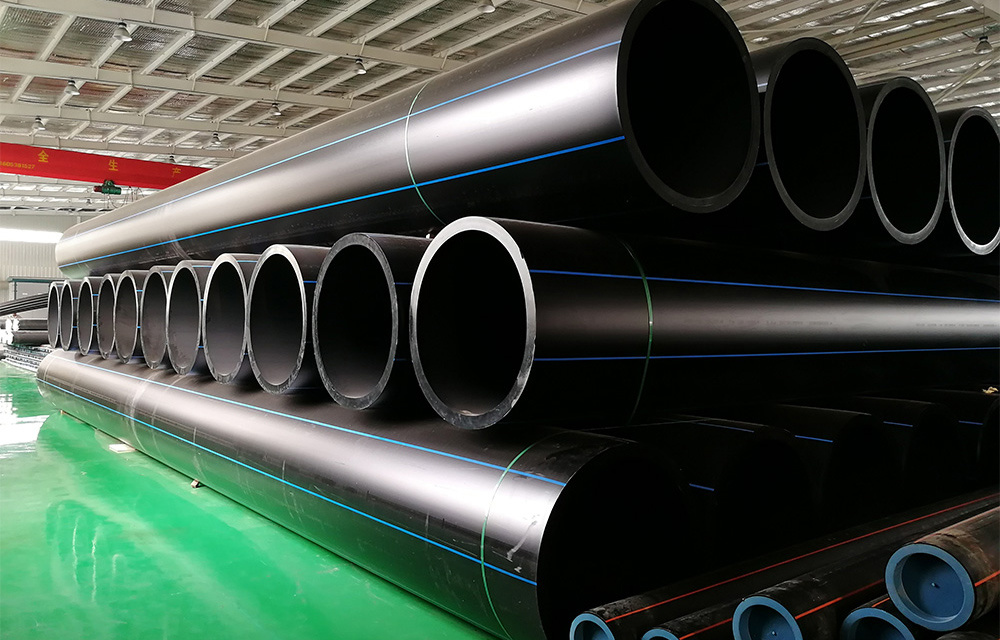
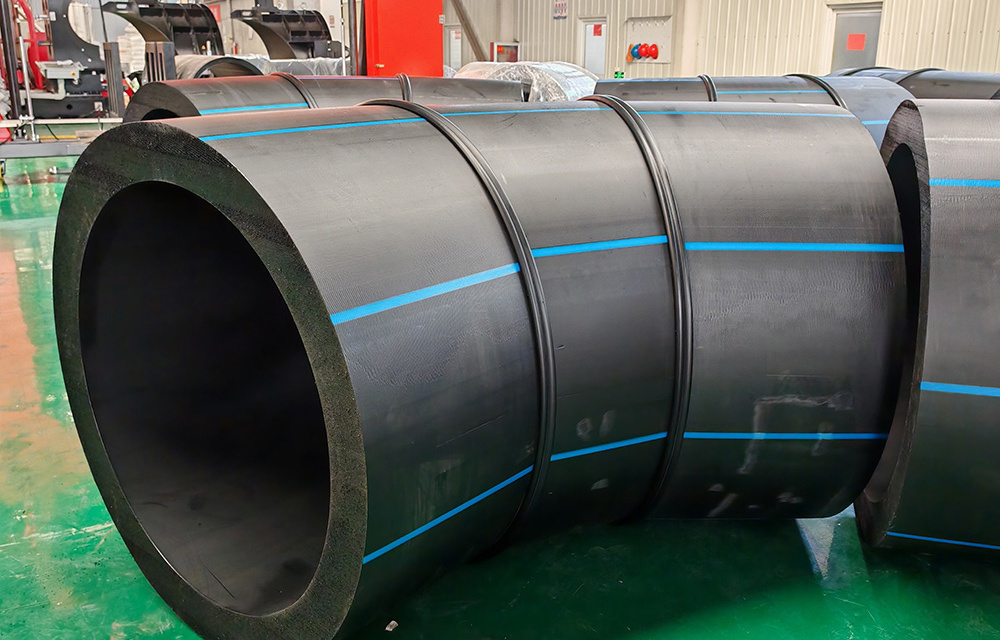
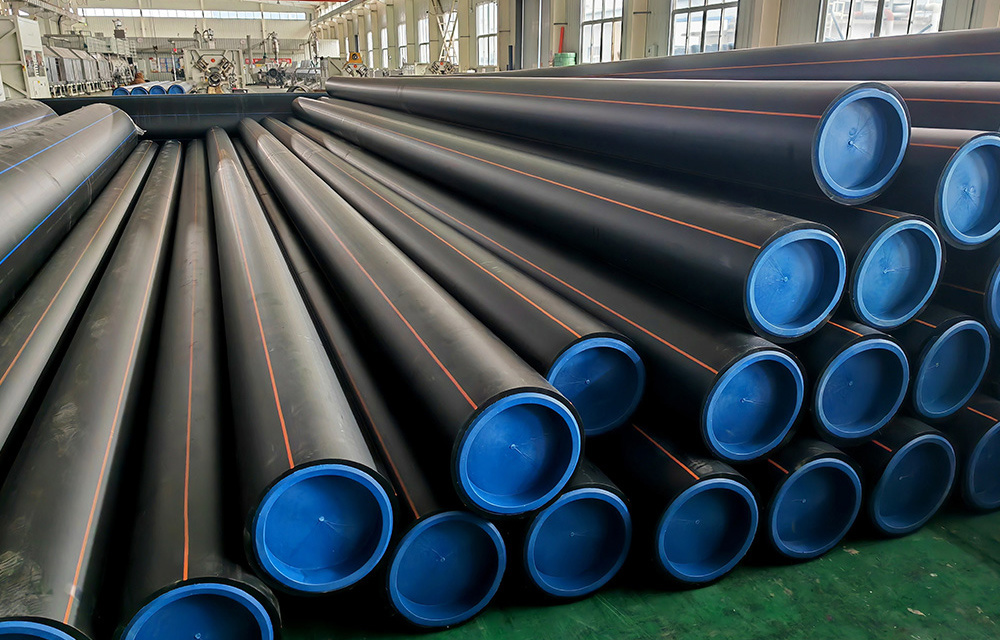
High-Density Polyethylene (HDPE) pipes have proven to be a robust solution for managing landfill leachate, a liquid that can pose significant environmental risks if not properly controlled. Leachate, produced by the decomposition of organic material in landfills, contains a mixture of hazardous substances that can leach into groundwater and surface water. Therefore, effective leachate management s
One of the primary benefits of using HDPE pipes in landfill leachate systems is their exceptional resistance to corrosion and chemical degradation. Unlike traditional materials such as concrete or metal, HDPE pipes can withstand the aggressive nature of leachate without deteriorating over time. This property not only extends the lifespan of the piping system but also reduces the likelihood of leaks, which can lead to costly and environmentally damaging failures.
Another significant advantage of HDPE pipes is their flexibility and ease of installation. The lightweight nature of HDPE allows for straightforward handling and installation, minimizing the need for heavy machinery and reducing labor costs. Additionally, the flexibility of HDPE can accommodate ground movement and shifting, which is particularly valuable in landfill applications where subsurface conditions may be unpredictable.
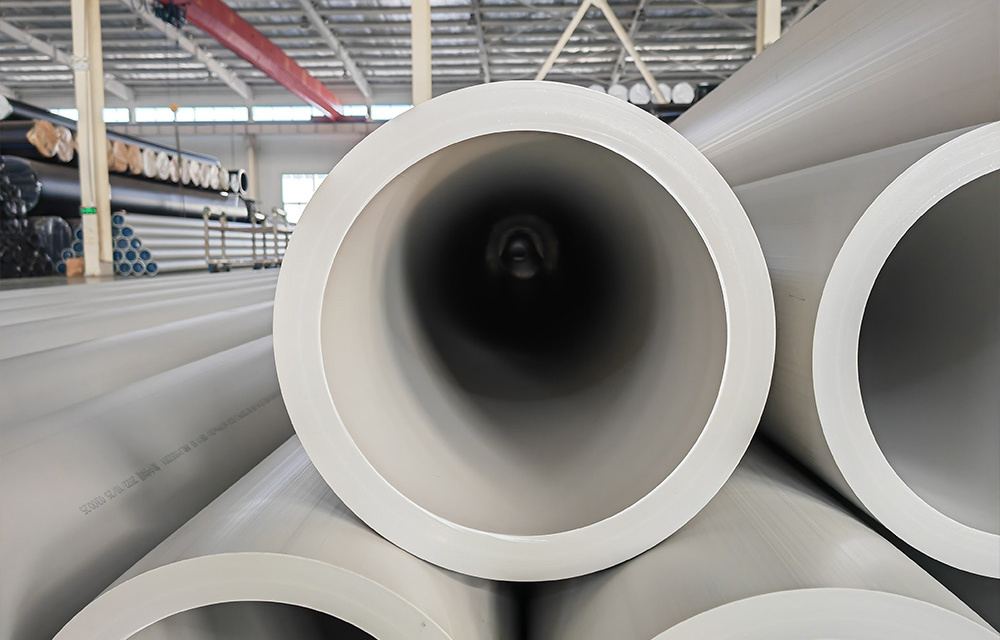
Furthermore, HDPE pipes exhibit excellent hydraulic performance, ensuring efficient flow rates in leachate collection systems. Their smooth interior surfaces reduce friction and prevent the buildup of sediment, which can clog pipes and impede the flow of leachate. This characteristic is crucial for maintaining the effectiveness of leachate management systems and preventing operational disruptions.
The environmental benefits associated with HDPE pipes also extend to their recyclability. At the end of their service life, HDPE pipes can be recycled into new products, contributing to a more sustainable approach to industrial waste management. This aligns with the growing emphasis on circular economy principles in the waste management sector.
In summary, HDPE pipes offer a multitude of advantages for landfill leachate management, including resistance to chemical degradation, ease of installation, superior hydraulic performance, and recyclability. By leveraging these benefits, professionals in the industrial equipment and components sector can enhance the effectiveness of leachate management systems, thereby protecting the environment and ensuring compliance with regulatory requirements. As the demand for effective landfill solutions continues to rise, HDPE pipes stand out as a valuable choice for industries focused on sustainability and operational excellence.

Customer Service Hotline
Sales Department Email
Website (Web)
Customer Service Email
Business Cooperation Email
Address
No.32 Donghai Road, Cangzhou Development Zone, Hebei Province, China
Company Address
No. 32 Donghai Road, Cangzhou Development Zone, Hebei Province, China