


17
2026
-
02
Choosing the Right HDPE Pipe for Your Geothermal System: A Comprehensive Guide
Choosing the Right HDPE Pipe for Your Geothermal System: A Comprehensive Guide Table of Contents 1. Introduction to Geothermal Systems 2. The Importance of HDPE Pipes in Geothermal Systems 3. Types of HDPE Pipes Suitable for Geothermal Applications 4. Key Parameters to Consider When Selecting HDPE Pipes 4.1. Pipe Diameter and Flow Rate 4.2. Pipe Thickness and Pressure Rat
Choosing the Right HDPE Pipe for Your Geothermal System: A Comprehensive Guide
Table of Contents
- 1. Introduction to Geothermal Systems
- 2. The Importance of HDPE Pipes in Geothermal Systems
- 3. Types of HDPE Pipes Suitable for Geothermal Applications
- 4. Key Parameters to Consider When Selecting HDPE Pipes
- 4.1. Pipe Diameter and Flow Rate
- 4.2. Pipe Thickness and Pressure Ratings
- 4.3. Material Quality and Standards
- 5. Tips for Proper Installation of HDPE Pipes
- 6. Maintenance Tips for HDPE Pipes in Geothermal Systems
- 7. Troubleshooting Common Issues with HDPE Pipes
- 8. Conclusion
- 9. Frequently Asked Questions (FAQs)
1. Introduction to Geothermal Systems
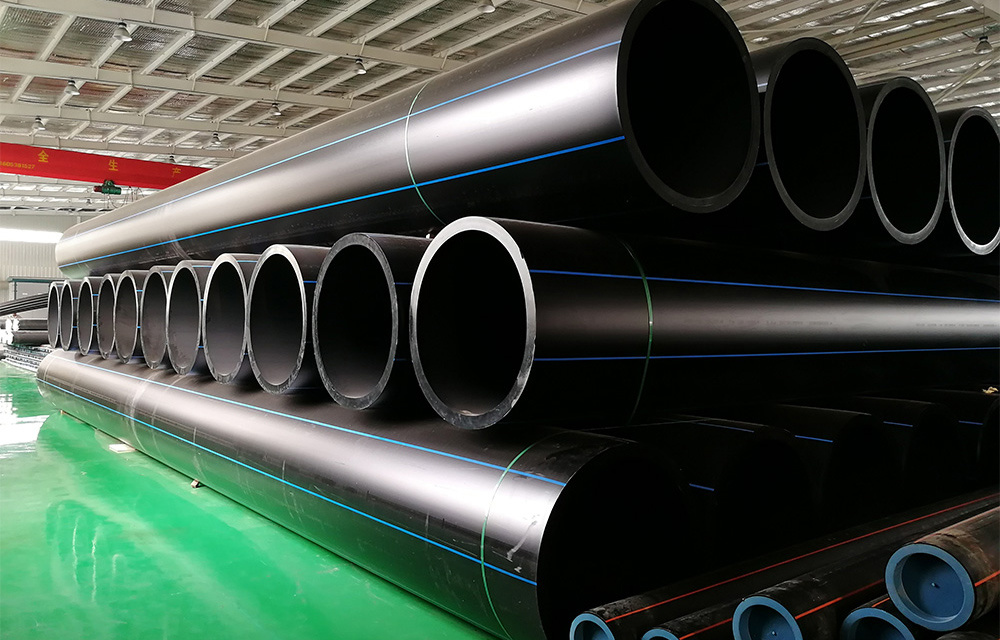
Geothermal systems harness the earth's natural heat to provide efficient and sustainable heating and cooling solutions. As one of the most eco-friendly energy sources, geothermal energy systems have gained significant popularity in residential, commercial, and industrial sectors. A critical component of these systems is the **high-density polyethylene (HDPE) pipe**, which serves as the backbone for transferring heat and facilitating efficient geothermal performance.
In this guide, we will explore the various aspects of choosing the right HDPE pipe for your geothermal system, ensuring that you have a comprehensive understanding of what factors to consider for optimal performance and longevity.
2. The Importance of HDPE Pipes in Geothermal Systems
HDPE pipes are widely recognized for their strength, durability, and resistance to corrosion, making them an ideal choice for geothermal applications. The **importance** of selecting the right HDPE pipes cannot be overstated, as the performance of your geothermal system largely depends on the quality and specifications of the piping used.
**Benefits of HDPE Pipes in Geothermal Systems**:
- **Corrosion Resistance**: Unlike metal pipes, HDPE pipes do not corrode when exposed to moisture or various chemicals found in the ground.
- **Flexibility**: HDPE pipes can bend and curve around obstacles without breaking, allowing for easier installation in complex layouts.
- **Longevity**: These pipes have a long service life, often exceeding 50 years, providing excellent value over time.
- **Low Friction Coefficient**: The smooth interior of HDPE pipes reduces friction loss, enhancing system efficiency.
As we delve deeper, we will examine the types of HDPE pipes available for geothermal systems and the key parameters to consider during selection.
3. Types of HDPE Pipes Suitable for Geothermal Applications
When considering HDPE pipes for your geothermal system, it's essential to recognize the various types available. Each type serves a specific purpose and may have different specifications suited to particular applications.
3.1. Standard HDPE Pipes
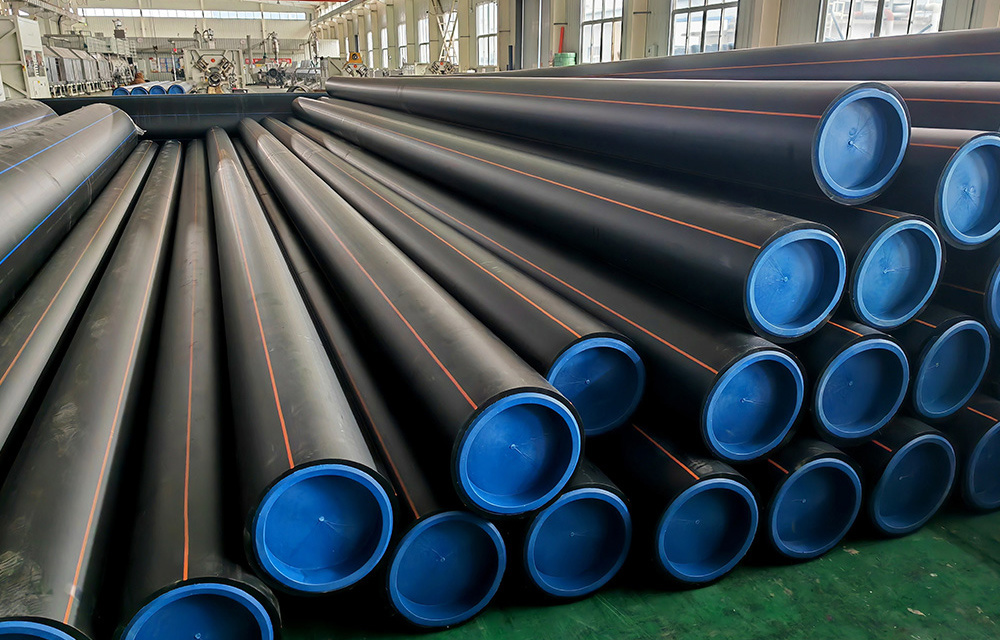
These pipes come in various diameters and are widely used for horizontal and vertical geothermal loop installations. They provide excellent flow rates and are suitable for both residential and commercial systems.
3.2. Perforated HDPE Pipes
Perforated pipes are designed with holes along their length, allowing for the absorption of groundwater heat. These are particularly beneficial in areas where groundwater can assist in heat transfer.
3.3. Coiled HDPE Pipes
Coiled HDPE pipes are ideal for installation in tight spaces since they can be easily maneuvered into position. They are particularly useful for horizontal loop installations where greater lengths may be needed without joints.
3.4. HDPE Fittings and Accessories
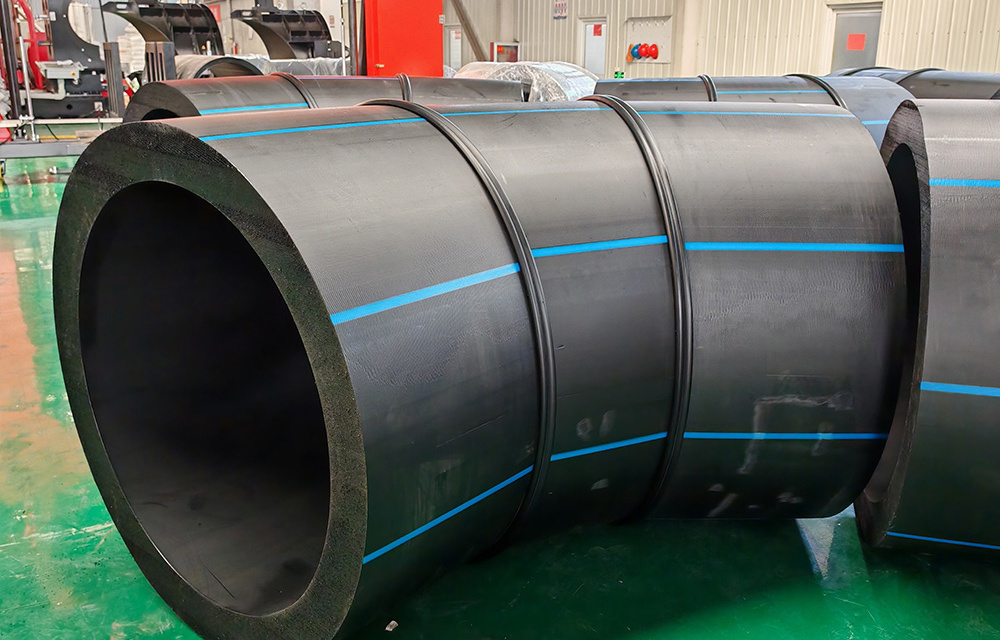
When considering HDPE pipes, it is crucial to also select the appropriate fittings and accessories to ensure a tight and reliable connection. This includes bends, tees, and couplings that are designed specifically for HDPE applications.
4. Key Parameters to Consider When Selecting HDPE Pipes
Choosing the right HDPE pipe entails understanding the critical parameters that influence the performance and reliability of your geothermal system.
4.1. Pipe Diameter and Flow Rate
The diameter of the HDPE pipe directly affects the flow rate of the geothermal fluid. Selecting the correct diameter is essential for maintaining optimal system performance. A larger diameter may lead to lower pressure loss, while a smaller diameter may restrict flow and reduce efficiency.
4.2. Pipe Thickness and Pressure Ratings
The thickness of the pipe walls affects its strength and ability to withstand pressure. HDPE pipes are rated based on their pressure capabilities, which should align with the specific requirements of your geothermal system.
4.3. Material Quality and Standards
It is vital to ensure that the HDPE pipes meet relevant industry standards and certifications. Look for pipes that conform to ASTM (American Society for Testing and Materials) and ISO (International Organization for Standardization) specifications for guaranteed quality and performance.
5. Tips for Proper Installation of HDPE Pipes
Proper installation is key to ensuring your geothermal system operates efficiently and effectively. Here are some essential tips:
- **Plan Your Layout**: Before installation, create a detailed plan of your geothermal system layout, including pipe placement and connections.
- **Use the Right Tools**: Ensure that you have the necessary tools for cutting, bending, and joining HDPE pipes. Specialized tools can help achieve clean and precise cuts.
- **Avoid Sharp Bends**: When routing pipes, avoid sharp bends that can restrict flow. Use gradual curves to maintain a smooth flow of geothermal fluid.
- **Check for Leaks**: After installation, conduct a thorough inspection to check for any leaks, ensuring all joints and fittings are secure.
6. Maintenance Tips for HDPE Pipes in Geothermal Systems
Maintaining your HDPE pipes is crucial for ensuring the longevity and efficiency of your geothermal system. Regular maintenance tasks include:
- **Regular Inspections**: Periodically inspect pipes for any signs of wear, damage, or leaks. Early detection can prevent costly repairs.
- **Flush System Annually**: Flushing the system can help remove any sediment or debris that may have accumulated, ensuring optimal heat transfer.
- **Monitor System Performance**: Keep an eye on the system’s performance metrics, such as flow rates and temperature differentials, to identify any potential issues early.
7. Troubleshooting Common Issues with HDPE Pipes
Understanding potential problems can help you manage your geothermal system more effectively.
7.1. Leaks in the System
Leaks can occur at joints or connections. Inspect these areas regularly and tighten or replace fittings as needed.
7.2. Reduced Flow Rate
If you notice a decrease in flow rate, check for blockages or kinks in the pipes. Flushing the system may also help restore proper flow.
7.3. Unusual Noises
Banging or gurgling noises may indicate air in the system. Check for trapped air and bleed the system if needed.
8. Conclusion
Choosing the right HDPE pipe for your geothermal system is a critical decision that impacts the efficiency, durability, and overall performance of the system. By understanding the various types of HDPE pipes, key selection parameters, installation best practices, and maintenance tips, you can ensure that your geothermal project is a success. With proper planning and implementation, you can harness the earth's natural energy efficiently and reliably.
9. Frequently Asked Questions (FAQs)
Q1: What makes HDPE pipes suitable for geothermal applications?
A1: HDPE pipes are corrosion-resistant, flexible, and have a long service life, making them ideal for geothermal systems.
Q2: How do I determine the right diameter for my HDPE pipes?
A2: The pipe diameter should align with the required flow rate for your geothermal system, balancing performance and pressure loss.
Q3: How can I ensure proper installation of HDPE pipes?
A3: Plan the layout carefully, use appropriate tools, avoid sharp bends, and check for leaks after installation.
Q4: What maintenance is required for HDPE pipes?
A4: Regular inspections, flushing the system annually, and monitoring system performance are essential maintenance practices.
Q5: What should I do if my geothermal system experiences a leak?
A5: Inspect the joints and connections, tighten them if necessary, or replace any damaged fittings to stop the leak.

Customer Service Hotline
Sales Department Email
Website (Web)
Customer Service Email
Business Cooperation Email
Address
No.32 Donghai Road, Cangzhou Development Zone, Hebei Province, China
Company Address
No. 32 Donghai Road, Cangzhou Development Zone, Hebei Province, China