


14
2026
-
02
Understanding the Benefits of HDPE Pipe for Pipe Jacking Applications
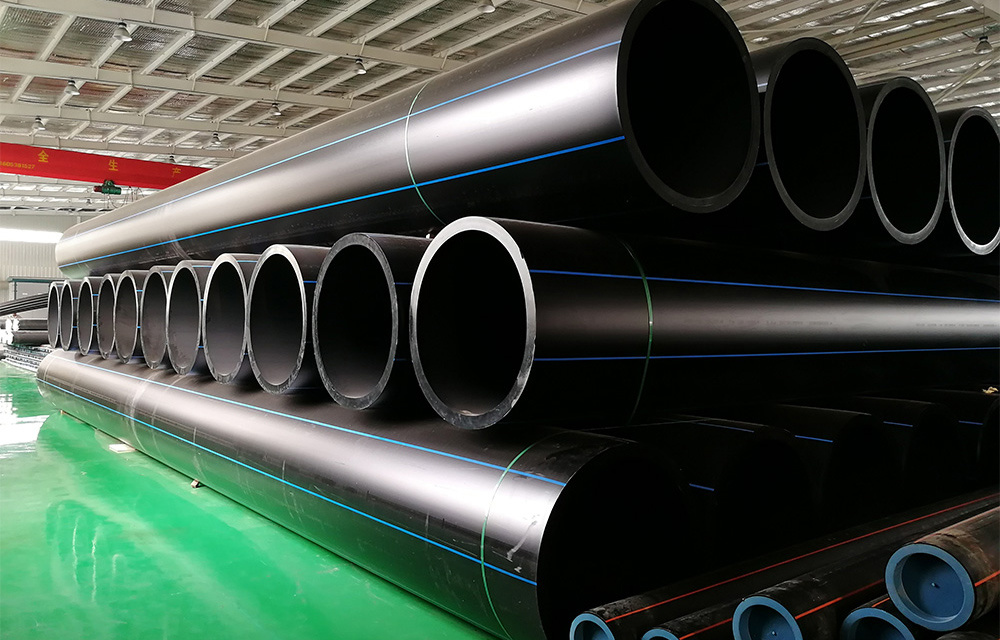
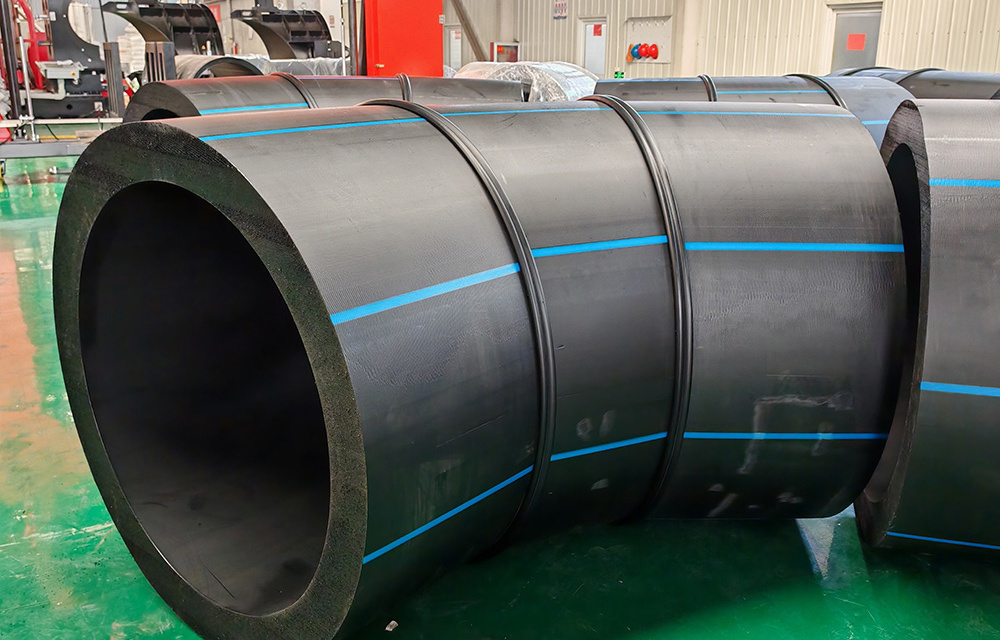
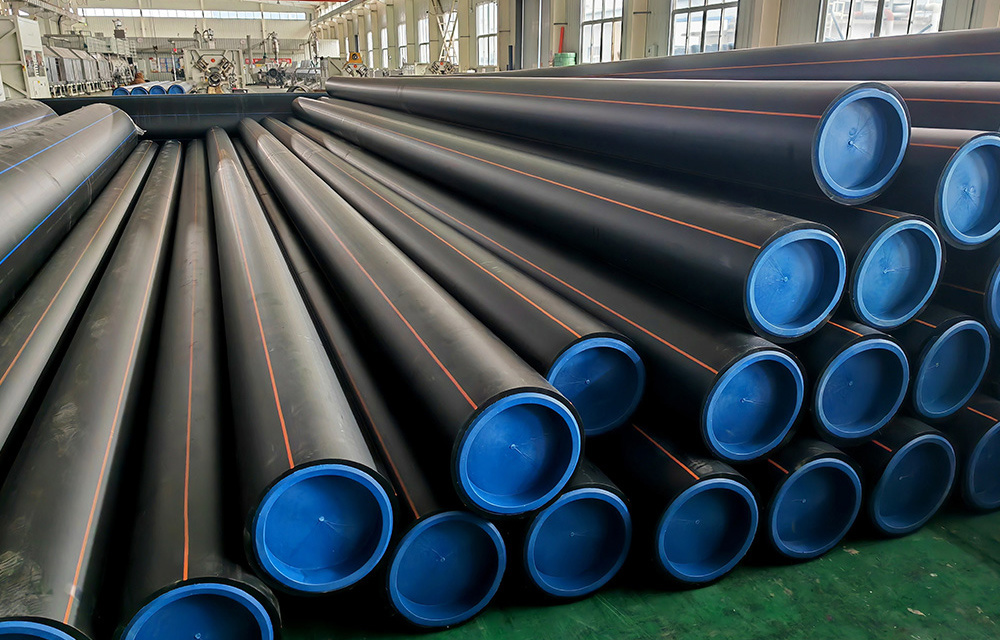
In the field of industrial equipment and components, HDPE (High-Density Polyethylene) pipes have gained significant attention for their use in pipe jacking applications. Pipe jacking is a trenchless construction method that allows for the installation of pipelines underground with minimal surface disruption. Utilizing HDPE pipes in this process offers several benefits that make them an ideal choic
One of the most notable advantages of HDPE pipe for pipe jacking is its exceptional flexibility and strength. Unlike traditional materials such as concrete and PVC, HDPE pipes can withstand considerable stresses during the jacking process. This flexibility reduces the likelihood of fractures or breakage, ensuring a more reliable installation. Additionally, HDPE’s lightweight properties make it easier to handle and transport, further streamlining the jacking operation.
Another critical benefit of HDPE pipes is their resistance to corrosion and chemicals. In many cases, pipelines are exposed to aggressive environmental conditions or caustic substances. HDPE’s resistance to these elements prolongs the lifespan of the pipe and minimizes maintenance costs over time. This characteristic is particularly advantageous in urban areas where pipes may encounter various contaminants.
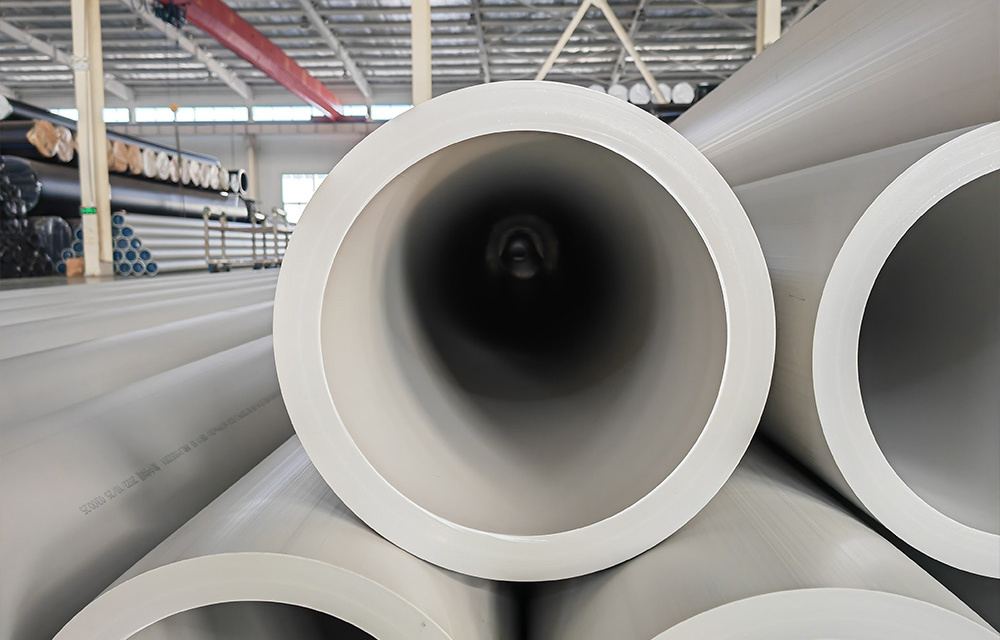
Moreover, the smooth interior surface of HDPE pipes promotes better flow rates and minimizes friction losses. This efficiency is crucial for maintaining optimal performance in systems that require the transportation of liquids or gases. By choosing HDPE pipe for pipe jacking, engineers can ensure that the installed pipelines will operate efficiently throughout their lifespan.
When planning a pipe jacking project, it’s essential to consider the compatibility of HDPE pipes with various installation methods and machinery. HDPE is compatible with a range of fittings and joints, allowing for seamless integration into existing systems. Additionally, advancements in jacking technology have made it increasingly easier to install HDPE pipes in diverse geological conditions, making them a versatile choice for many different applications.
Sustainability is another compelling reason to choose HDPE for pipe jacking. The material is recyclable and environmentally friendly, contributing to reduced waste in construction projects. As the industry moves toward more sustainable practices, selecting HDPE pipes aligns with eco-conscious goals and regulations.
In summary, HDPE pipe for pipe jacking presents numerous benefits, including flexibility, chemical resistance, improved flow rates, compatibility with various installations, and sustainability. For professionals in the industrial equipment and pipeline industry, understanding these advantages is crucial for selecting the right materials for successful underground pipeline installations. By leveraging the properties of HDPE, projects can achieve efficiency, durability, and minimal environmental impact.

Customer Service Hotline
Sales Department Email
Website (Web)
Customer Service Email
Business Cooperation Email
Address
No.32 Donghai Road, Cangzhou Development Zone, Hebei Province, China
Company Address
No. 32 Donghai Road, Cangzhou Development Zone, Hebei Province, China