


13
2026
-
02
Top Reasons to Implement HDPE Pipe for Landfill Leachate Systems
Top Reasons to Implement HDPE Pipe for Landfill Leachate Systems As environmental concerns intensify, efficient waste management practices become paramount. In this context, the implementation of **High-Density Polyethylene (HDPE) pipes** for landfill leachate systems emerges as a critical component. This article delves into the myriad reasons for choosing HDPE pipes, highlighting their durability
Top Reasons to Implement HDPE Pipe for Landfill Leachate Systems
As environmental concerns intensify, efficient waste management practices become paramount. In this context, the implementation of **High-Density Polyethylene (HDPE) pipes** for landfill leachate systems emerges as a critical component. This article delves into the myriad reasons for choosing HDPE pipes, highlighting their durability, cost-effectiveness, and environmental benefits.
Table of Contents
- 1. Introduction to Landfill Leachate Management
- 2. What is HDPE?
- 3. Key Benefits of HDPE Pipes in Leachate Systems
- 3.1 Durability and Longevity
- 3.2 Chemical Resistance
- 3.3 Cost-Effectiveness
- 3.4 Easy Installation and Maintenance
- 3.5 Reduced Environmental Impact
- 4. Applications of HDPE Pipes in Landfill Leachate Systems
- 5. Regulatory Compliance and HDPE Pipes
- 6. Case Studies: Successful Implementation of HDPE Pipes
- 7. Common Questions About HDPE Pipes
- 8. Conclusion
1. Introduction to Landfill Leachate Management
Landfills produce leachate, a toxic liquid that forms when waste decomposes and rainwater seeps through it. Managing leachate is crucial to mitigate its harmful effects on the environment and public health. Traditional leachate management systems often encounter issues such as corrosion, blockages, and high maintenance costs. Therefore, the adoption of advanced materials like **HDPE pipes** is gaining traction, providing effective solutions for managing landfill leachate safely and efficiently.
2. What is HDPE?
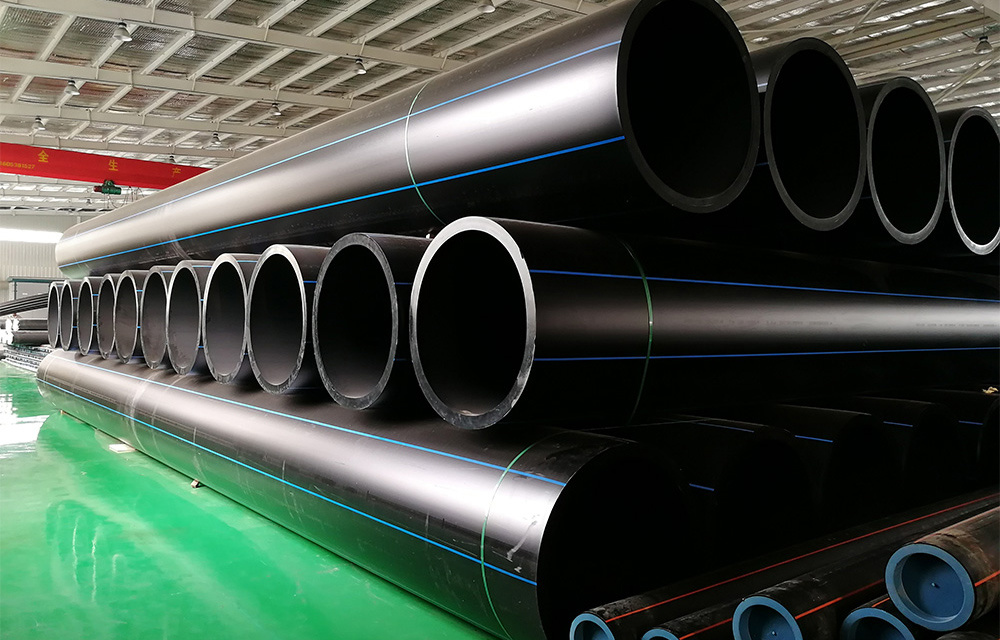
High-Density Polyethylene (HDPE) is a thermoplastic polymer made from petroleum. Known for its remarkable strength-to-density ratio, HDPE is widely used in various applications, including piping systems. It is resistant to a range of chemicals, UV radiation, and impact, making it suitable for critical infrastructure like landfill leachate systems. The properties of HDPE make it an ideal choice for long-term installations where durability and reliability are paramount.
3. Key Benefits of HDPE Pipes in Leachate Systems
3.1 Durability and Longevity
One of the most compelling reasons to implement HDPE pipes is their **durability**. Unlike traditional materials such as concrete or metal, which are vulnerable to corrosion and degradation, HDPE pipes can withstand harsh environmental conditions. They have a lifecycle expectancy of over 50 years, ensuring that landfill operators benefit from a long-term solution with minimal need for replacement.
3.2 Chemical Resistance
Landfill leachate contains various harmful substances, including heavy metals and organic compounds. **HDPE pipes** exhibit exceptional chemical resistance, reducing the risk of failure due to corrosion or material degradation. This property is particularly important in leachate systems, where exposure to aggressive chemicals is standard.
3.3 Cost-Effectiveness
While the initial investment in HDPE pipes may be higher than traditional options, their long lifespan and low maintenance requirements translate into long-term savings. Additionally, the ease of installation reduces labor costs, making HDPE an economically viable choice for landfill operators. The lower risk of leaks and failures also minimizes costly environmental remediation efforts.
3.4 Easy Installation and Maintenance
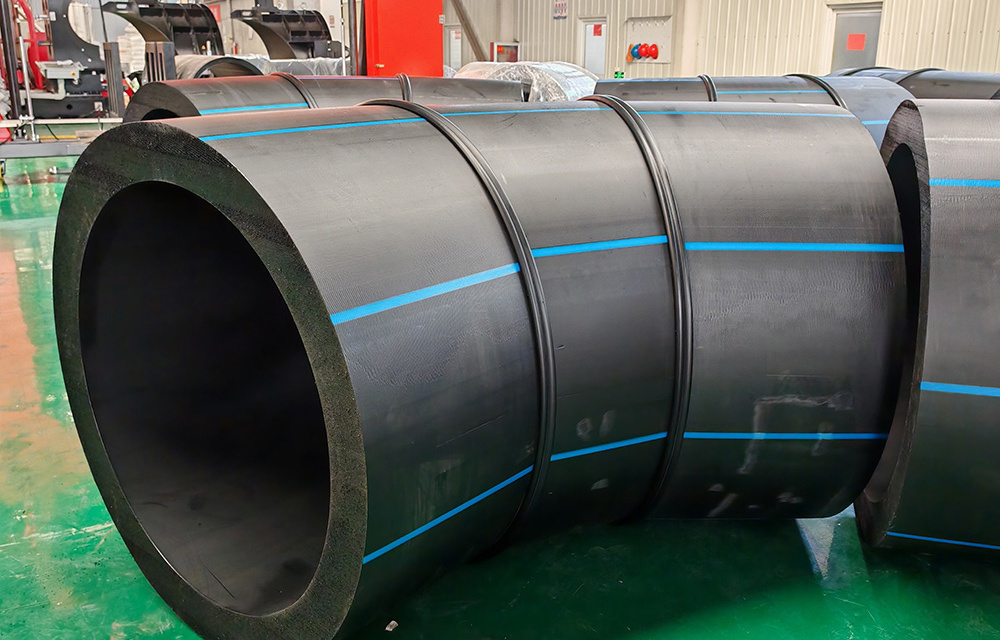
**Installation** is a critical factor in any piping system. HDPE pipes are lightweight and easy to handle, allowing for faster installation compared to heavier materials. They can be joined using various methods, including heat fusion, which provides a seamless connection that reduces the likelihood of leaks. Furthermore, the flexible nature of HDPE pipes allows them to accommodate ground movement, further enhancing their reliability.
3.5 Reduced Environmental Impact
Implementing HDPE pipes not only benefits landfill operators but also contributes to environmental sustainability. HDPE is 100% recyclable, and using it in leachate systems helps minimize the overall carbon footprint of landfill operations. The longevity of HDPE pipes also means fewer resources are consumed over time, aligning with global sustainability goals.
4. Applications of HDPE Pipes in Landfill Leachate Systems
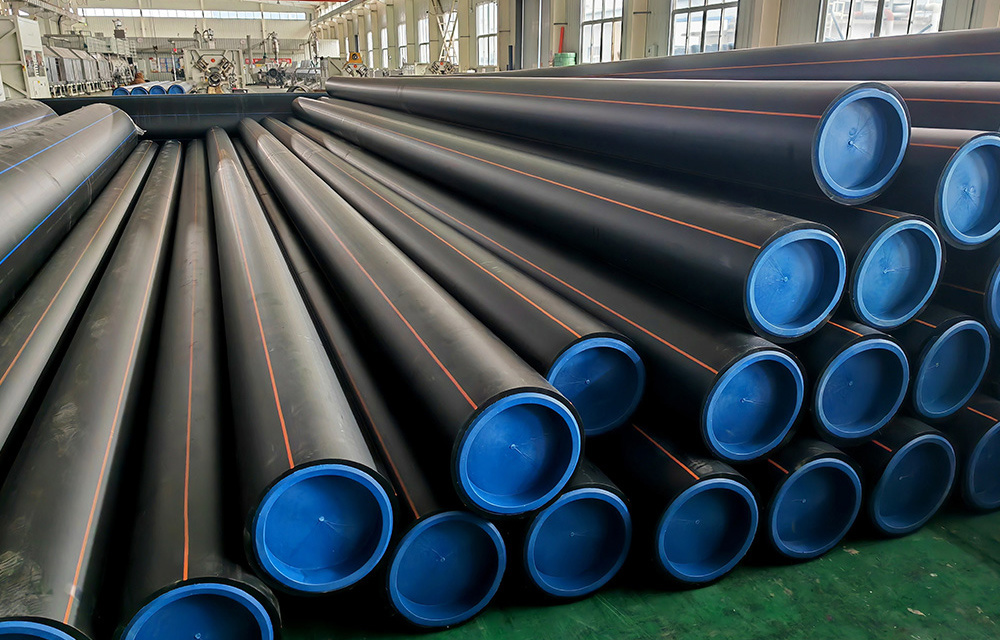
HDPE pipes are versatile and can be used in various applications within landfill leachate systems, including:
- **Leachate Collection Systems**: Efficiently collect and transport leachate to treatment facilities.
- **Leachate Recirculation Systems**: Promote enhanced biodegradation of waste by recirculating leachate through the landfill.
- **Pumping Stations**: HDPE's durability allows it to be used in pumping stations where leachate is transferred to treatment facilities.
The adaptability of HDPE pipes ensures that they can meet the specific requirements of different landfill operations.
5. Regulatory Compliance and HDPE Pipes
Compliance with environmental regulations is essential for landfill operations. HDPE pipes meet and often exceed regulatory standards set forth by environmental agencies. Their chemical resistance and durability make them suitable for use in environmentally sensitive areas, ensuring that landfill operators can confidently manage leachate while adhering to stringent guidelines.
6. Case Studies: Successful Implementation of HDPE Pipes
Several landfills across the globe have successfully transitioned to HDPE pipe systems for leachate management. For example:
- **Case Study 1**: A landfill in California reported a 30% reduction in leachate management costs after switching to HDPE pipes. The enhanced durability of the pipes significantly decreased maintenance requirements.
- **Case Study 2**: A facility in Europe implemented HDPE piping for their leachate collection system, resulting in improved efficiency in leachate transport and reduced environmental risks.
These case studies highlight the effectiveness of HDPE pipes in real-world applications, demonstrating their advantages over traditional materials.
7. Common Questions About HDPE Pipes
7.1 How long do HDPE pipes last?
**HDPE pipes** can last over 50 years with proper installation and maintenance, making them a durable choice for leachate systems.
7.2 Are HDPE pipes environmentally friendly?
Yes, **HDPE is 100% recyclable** and helps reduce the overall environmental impact of landfill operations.
7.3 What are the installation procedures for HDPE pipes?
HDPE pipes can be installed using various methods, including **heat fusion**, which creates seamless joints and enhances leak resistance.
7.4 Can HDPE pipes handle high temperatures?
While HDPE pipes are not suitable for extremely high temperatures, they perform well in typical landfill conditions.
7.5 How do HDPE pipes compare to PVC pipes?
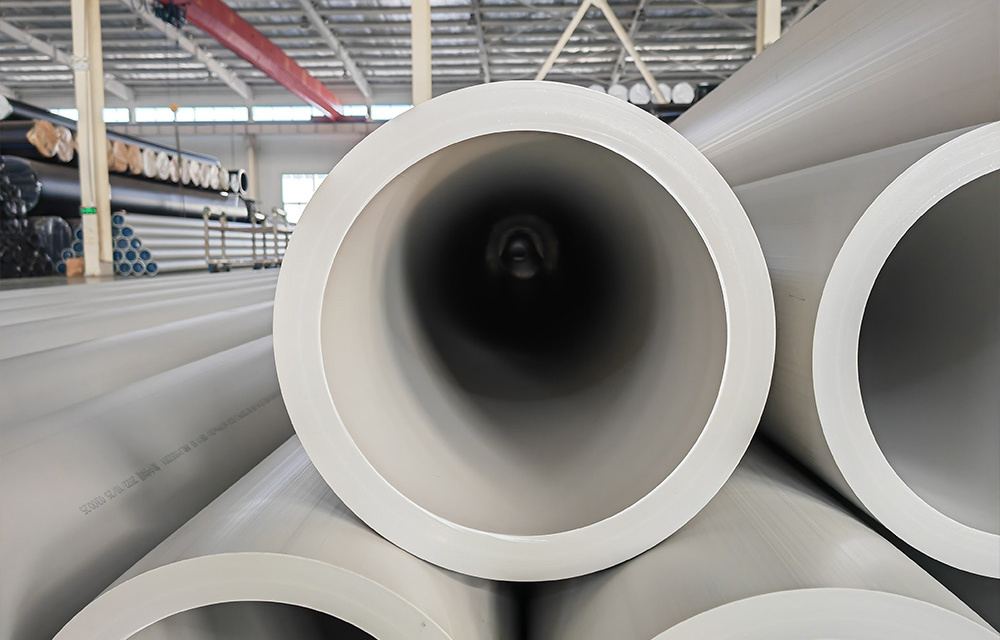
HDPE pipes offer superior **chemical resistance** and durability compared to PVC pipes, making them more suitable for leachate systems.
8. Conclusion
Implementing **HDPE pipes** for landfill leachate systems offers numerous advantages, including durability, chemical resistance, cost-effectiveness, ease of installation, and reduced environmental impact. As we face increasing environmental challenges, the choice of materials in landfill management becomes critical. With their proven track record and ongoing innovations, HDPE pipes stand out as a reliable solution, ensuring safe and efficient leachate management while protecting our environment for future generations. By choosing HDPE, landfill operators can not only enhance their operations but also contribute to a more sustainable waste management system.

Customer Service Hotline
Sales Department Email
Website (Web)
Customer Service Email
Business Cooperation Email
Address
No.32 Donghai Road, Cangzhou Development Zone, Hebei Province, China
Company Address
No. 32 Donghai Road, Cangzhou Development Zone, Hebei Province, China