


15
2026
-
02
PPH Hot Melt Pipe Fittings: Unlocking Efficiency and Reliability for Contractors and Builders
PPH Hot Melt Pipe Fittings: Key Advantages for Contractors and Builders Table of Contents Introduction to PPH Hot Melt Pipe Fittings What Are PPH Pipe Fittings? Key Benefits of PPH Hot Melt Pipe Fittings 1. Durability and Longevity 2. Corrosion Resistance 3. Thermal Insulation 4. Ease of Installation 5. Cost-Effectiv
PPH Hot Melt Pipe Fittings: Key Advantages for Contractors and Builders
Table of Contents
- Introduction to PPH Hot Melt Pipe Fittings
- What Are PPH Pipe Fittings?
- Key Benefits of PPH Hot Melt Pipe Fittings
- 1. Durability and Longevity
- 2. Corrosion Resistance
- 3. Thermal Insulation
- 4. Ease of Installation
- 5. Cost-Effectiveness
- Applications of PPH Hot Melt Pipe Fittings
- Installation Techniques for PPH Fittings
- PPH vs. Other Pipe Fittings: A Comparison
- Frequently Asked Questions (FAQs)
- Conclusion
Introduction to PPH Hot Melt Pipe Fittings
In the ever-evolving world of construction and plumbing, selecting the right materials is crucial for ensuring the longevity and efficiency of installations. **PPH hot melt pipe fittings** have emerged as a leading choice among contractors and builders due to their exceptional performance and reliability. This article explores the numerous advantages of using PPH fittings, highlighting why they should be a fundamental component in your construction toolkit.
What Are PPH Pipe Fittings?
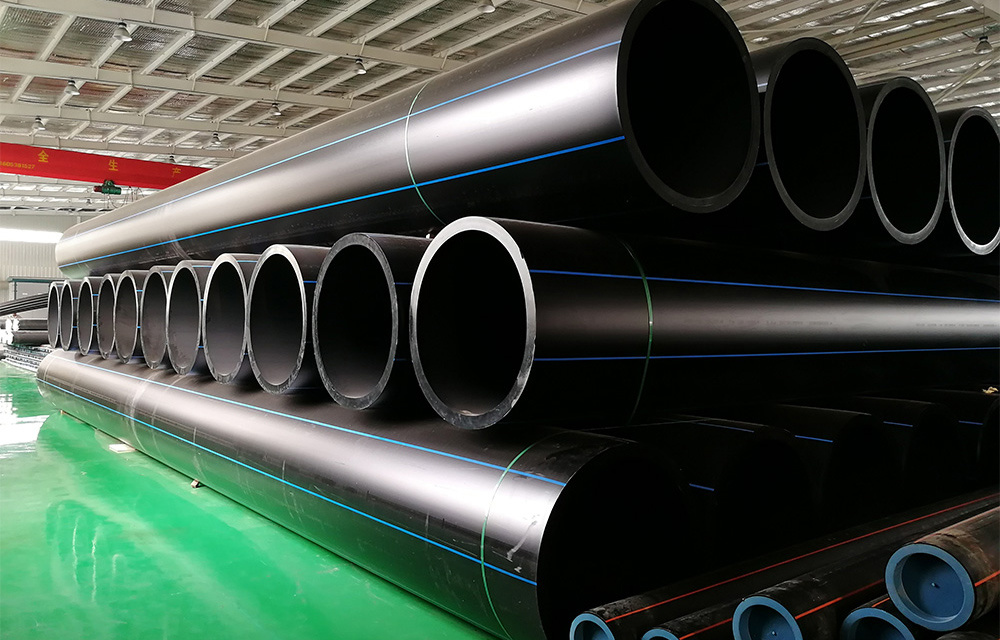
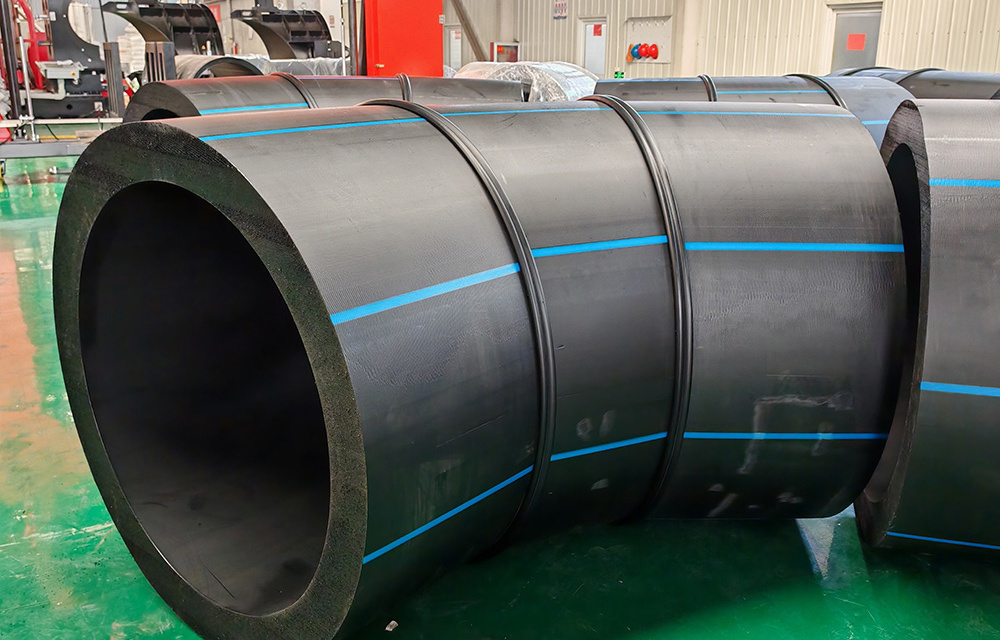
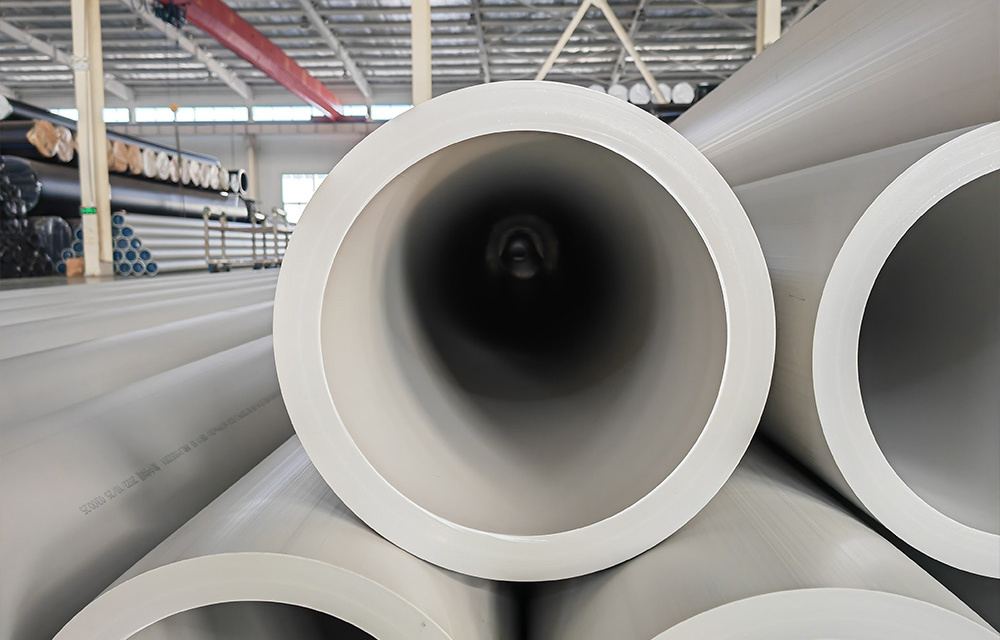
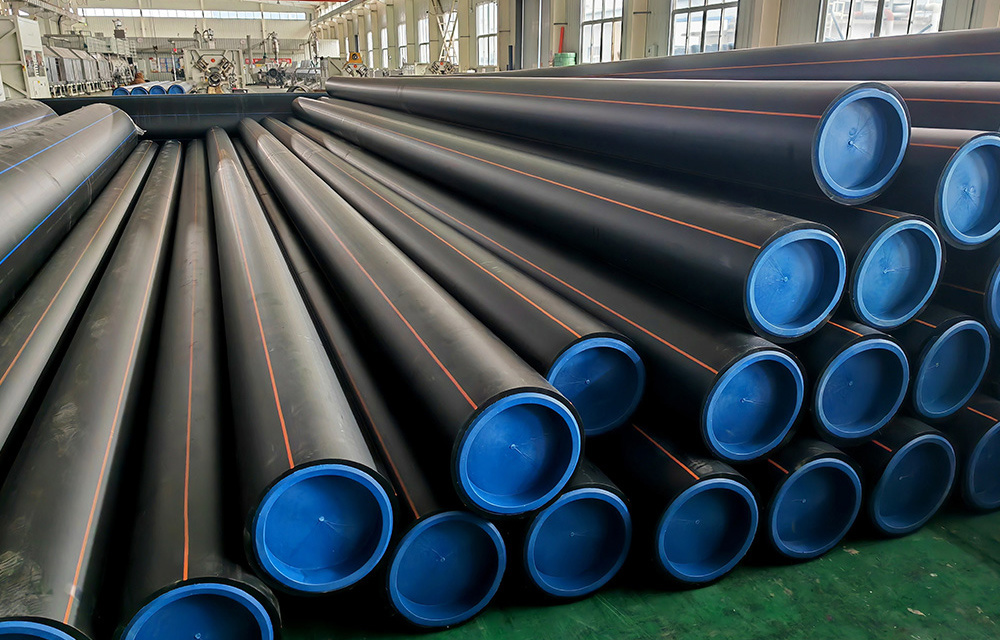
PPH, or **Polypropylene Homopolymer**, is a type of thermoplastic polymer that is widely used in various industrial applications. It is known for its excellent mechanical properties and resistance to chemical corrosion. PPH hot melt pipe fittings are manufactured using a **hot melt technology** that ensures a strong, leak-proof seal, making them ideal for a wide range of piping systems.
These fittings come in various shapes and sizes, including elbows, tees, and couplings, allowing for versatile applications in both residential and commercial projects. Their design facilitates seamless connections between pipes, ensuring optimal flow and function in any plumbing system.
Key Benefits of PPH Hot Melt Pipe Fittings
1. Durability and Longevity
One of the standout features of PPH hot melt pipe fittings is their durability. Unlike traditional materials that may corrode or degrade over time, **PPH fittings** are built to withstand harsh environmental conditions. They are resistant to impact, making them a reliable choice for high-traffic areas where physical damage may occur.
Moreover, PPH's longevity reduces the need for frequent replacements, allowing contractors and builders to focus on project completion rather than ongoing maintenance.
2. Corrosion Resistance
**Corrosion can be a significant issue** in plumbing systems, particularly when exposed to moisture and various chemicals. PPH hot melt pipe fittings boast exceptional resistance to corrosion, ensuring that the integrity of the fittings remains intact throughout their lifespan.
This resistance is particularly advantageous in industries such as chemical processing and wastewater management, where exposure to aggressive substances is common. Using PPH fittings mitigates the risk of leaks and system failures, ultimately enhancing the reliability of the entire plumbing system.
3. Thermal Insulation
PPH fittings exhibit impressive thermal insulation properties. They help maintain temperature control within piping systems, minimizing heat loss or gain. This characteristic is especially beneficial for hot water systems, where maintaining a steady temperature is vital for energy efficiency.
By using PPH hot melt pipe fittings, contractors can optimize energy consumption and reduce heating costs, providing clients with long-term savings.
4. Ease of Installation
**Installation efficiency** is a primary concern for contractors and builders. PPH fittings are designed for straightforward installation, reducing labor time and associated costs. The hot melt technique allows for quick and secure connections, minimizing the risk of leaks during the installation process.
Furthermore, PPH fittings are lightweight and easy to handle, making them an ideal choice for professionals who prioritize efficiency on the job site.
5. Cost-Effectiveness
Investing in high-quality materials often translates to cost savings in the long run. PPH hot melt pipe fittings offer an excellent return on investment due to their durability, resistance to corrosion, and low maintenance requirements. While the initial costs may be slightly higher than traditional fittings, the long-term benefits far outweigh the initial investment.
Contractors and builders can provide a better value proposition to their clients by utilizing PPH fittings, as they reduce the likelihood of costly repairs and replacements over time.
Applications of PPH Hot Melt Pipe Fittings
PPH hot melt pipe fittings are versatile and can be used in a broad range of applications, including:
- **Industrial Water Systems**: Their resistance to chemicals makes them suitable for various industrial settings.
- **Chemical Processing**: PPH fittings can handle corrosive materials safely.
- **Hot and Cold Water Plumbing**: Their thermal properties ensure efficient water heating and distribution.
- **Wastewater Management**: PPH's durability means they can withstand the harsh conditions often found in waste management systems.
- **Heating Systems**: The thermal insulation provided by PPH fittings enhances the efficiency of heating systems.
By understanding the specific applications of PPH fittings, contractors can better serve their clients' needs and ensure project success.
Installation Techniques for PPH Fittings
Proper installation is crucial to harnessing the benefits of PPH hot melt pipe fittings. Below are essential techniques to ensure a successful installation:
- **Surface Preparation**: Ensure that surfaces are clean and free from dust or grease before applying the hot melt adhesive.
- **Heating Method**: Use a hot air gun or specialized heating device to properly melt the adhesive on the fitting and pipe ends. Achieving the correct temperature is vital for a secure bond.
- **Alignment**: Align the pipes and fittings accurately before the adhesive sets to avoid misalignments that could cause leaks.
- **Cooling Time**: Allow sufficient cooling time after installation to ensure that the bond is secure and the fittings are ready for use.
By adhering to these installation techniques, contractors can maximize the performance and longevity of PPH fittings.
PPH vs. Other Pipe Fittings: A Comparison
When it comes to selecting pipe fittings, understanding the differences between PPH and other materials is essential. Here’s a comparison with some common alternatives:
- **PPH vs. PVC**: While PVC fittings are also lightweight and easy to install, they lack the thermal insulation properties that PPH fittings offer. PPH is generally more durable in high-temperature applications.
- **PPH vs. Metal Fittings**: Metal fittings are prone to corrosion and rust over time, particularly in humid environments. PPH provides a corrosion-resistant alternative, significantly extending the lifespan of the plumbing system.
- **PPH vs. CPVC**: CPVC fittings can handle higher temperatures than PVC, but PPH surpasses both in thermal insulation and cost-effectiveness for long-term use.
Understanding these comparisons allows contractors to make informed decisions tailored to specific project needs.
Frequently Asked Questions (FAQs)
1. What are the main advantages of using PPH hot melt pipe fittings?
The main advantages include durability, corrosion resistance, thermal insulation, ease of installation, and cost-effectiveness.
2. Can PPH fittings be used for both hot and cold water systems?
Yes, PPH fittings are suitable for both hot and cold water systems due to their excellent thermal properties.
3. How do I install PPH hot melt pipe fittings?
Ensure surface preparation, use proper heating methods, align pipes accurately, and allow adequate cooling time to achieve a secure bond.
4. Are PPH fittings environmentally friendly?
PPH is recyclable and produced with a lower environmental impact compared to some other materials, making it an eco-friendly choice.
5. What industries benefit most from PPH hot melt pipe fittings?
Industries such as chemical processing, wastewater management, and residential plumbing greatly benefit from the use of PPH fittings due to their durability and resistance to chemicals.
Conclusion
In conclusion, **PPH hot melt pipe fittings** offer a multitude of advantages that make them an essential choice for contractors and builders. Their durability, corrosion resistance, thermal insulation properties, and cost-effectiveness empower professionals to deliver high-quality plumbing systems that stand the test of time. By understanding the applications and installation processes of PPH fittings, contractors can enhance their project outcomes, ensuring client satisfaction and long-term success. Embracing PPH fittings not only leads to better performance but also establishes a foundation for sustainable building practices in the construction industry.

Customer Service Hotline
Sales Department Email
Website (Web)
Customer Service Email
Business Cooperation Email
Address
No.32 Donghai Road, Cangzhou Development Zone, Hebei Province, China
Company Address
No. 32 Donghai Road, Cangzhou Development Zone, Hebei Province, China