


12
2026
-
02
Exploring the Advantages of HDPE Pipe in Geothermal Systems
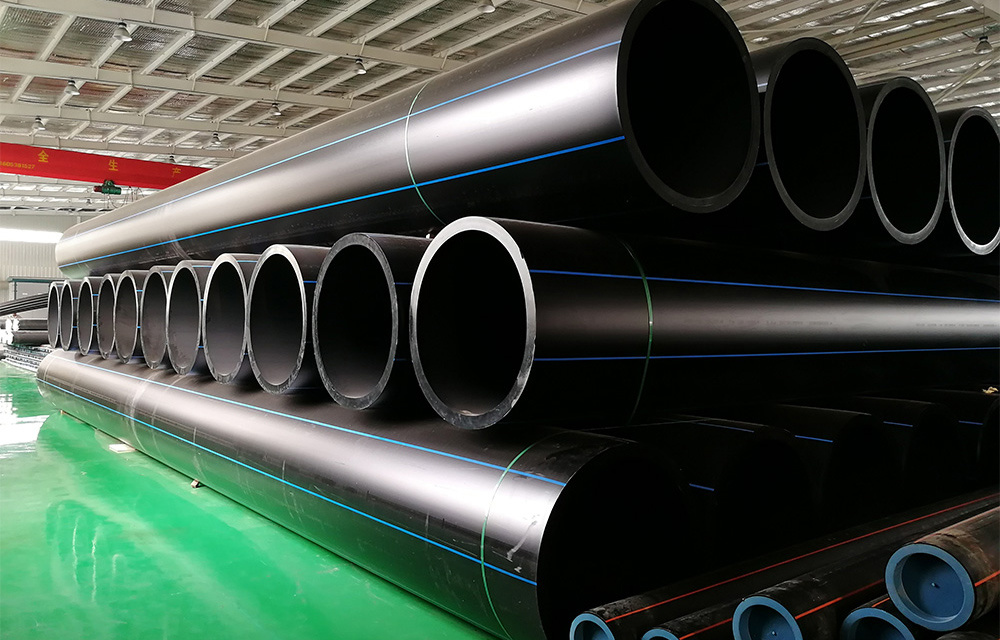
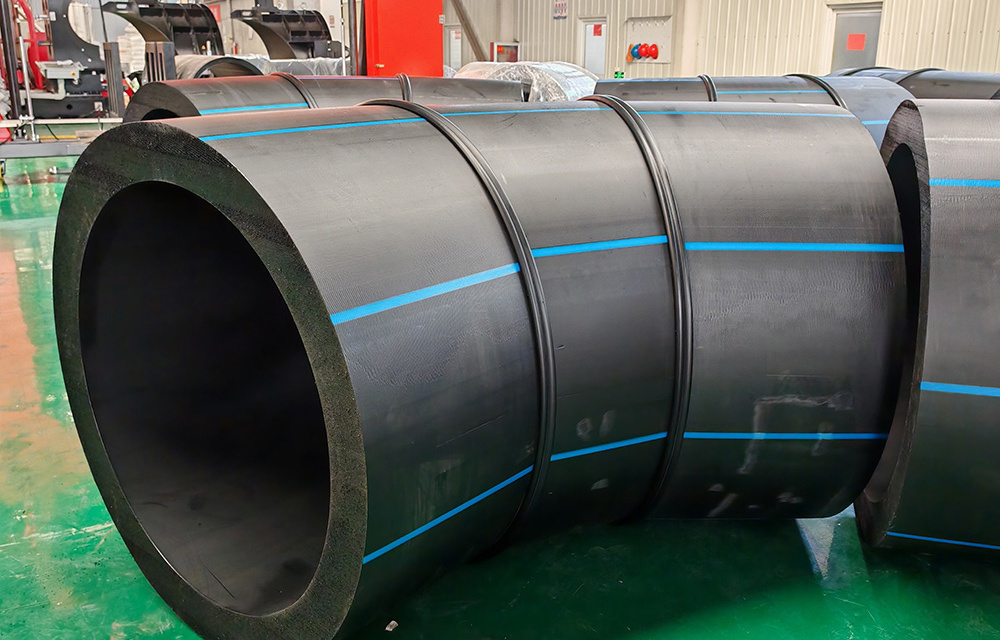
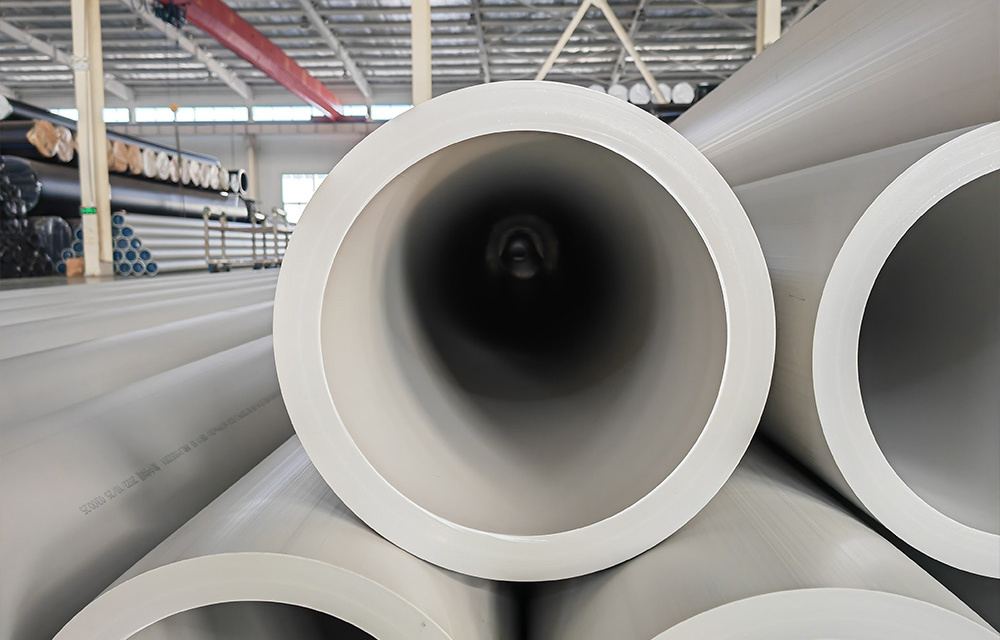
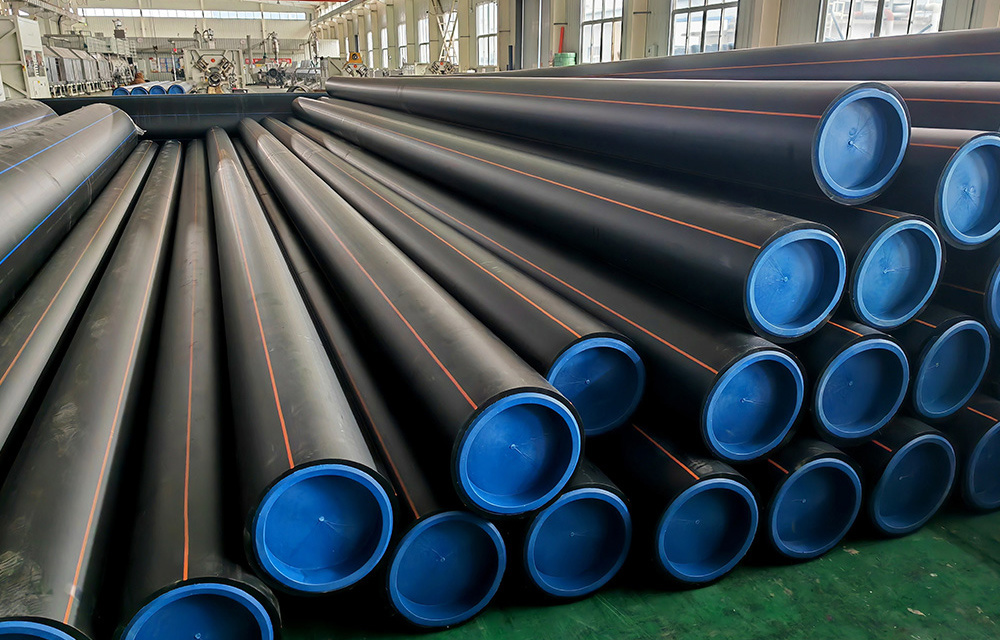
Geothermal systems are increasingly recognized for their efficiency and sustainability in energy production and heating applications. One of the critical components of these systems is the type of piping used, with HDPE (High-Density Polyethylene) pipe emerging as a leading choice in the industry. This article explores the technical benefits of using HDPE pipe in geothermal systems, providing valu
HDPE pipe is renowned for its exceptional durability and resistance to corrosion. Unlike traditional materials like metal or PVC, HDPE is less susceptible to chemical degradation, which is particularly advantageous in geothermal applications where fluids may contain various corrosive elements. This resilience ensures that the piping maintains integrity over long periods, minimizing the risk of leaks and the need for costly maintenance.
Another significant advantage of HDPE pipe is its flexibility. This property allows for easier installation, particularly in environments with challenging terrain. The flexibility of HDPE can accommodate ground movement and thermal expansion, which is essential in geothermal systems that experience temperature fluctuations. Moreover, the lightweight nature of HDPE facilitates transport and handling, reducing labor costs and installation time on-site.
HDPE pipes also offer excellent thermal insulation properties, which is crucial in geothermal systems designed to transfer heat efficiently between the ground and the building. This efficiency not only enhances system performance but also contributes to energy savings, making HDPE a practical choice for those aiming to optimize their geothermal installations.
In addition, HDPE pipe can be manufactured in various sizes and configurations, allowing for tailored solutions that meet specific project requirements. This adaptability means that whether you are working on a residential, commercial, or industrial geothermal system, you can find an HDPE solution that fits your needs.
Furthermore, the environmental benefits of using HDPE should not be overlooked. As a recyclable material, HDPE contributes to sustainability efforts within the industry. Its long lifespan combined with lower energy consumption during production makes it an environmentally friendly choice for geothermal applications.
In conclusion, HDPE pipe stands out as a robust and efficient option for geothermal systems, offering durability, flexibility, thermal insulation, and environmental sustainability. For professionals in the industrial equipment and components field, understanding the advantages of HDPE can lead to more informed decisions when selecting materials for geothermal applications. With its growing popularity, HDPE is likely to remain a key player in future energy solutions.

Customer Service Hotline
Sales Department Email
Website (Web)
Customer Service Email
Business Cooperation Email
Address
No.32 Donghai Road, Cangzhou Development Zone, Hebei Province, China
Company Address
No. 32 Donghai Road, Cangzhou Development Zone, Hebei Province, China