


08
2026
-
02
Understanding the Role of HDPE Pipes in Managing Landfill Leachate
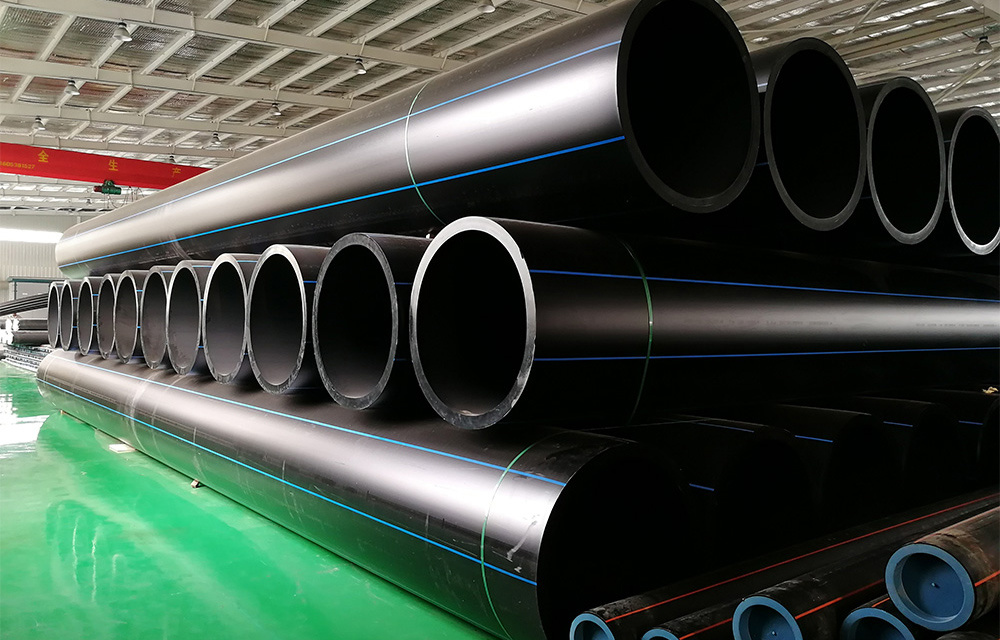
Landfills generate leachate, a toxic liquid formed when water filters through waste materials. Proper leachate management is essential to prevent groundwater contamination and comply with environmental regulations. High-Density Polyethylene (HDPE) pipes have emerged as a favored solution for the conveyance and management of landfill leachate due to their unique properties. One of the primary advan
One of the primary advantages of HDPE pipes is their resistance to chemical corrosion. Leachate is often acidic and contains various harmful substances, making it imperative for any piping system to withstand such aggressive environments. HDPE pipes exhibit exceptional resistance to a wide range of chemicals, ensuring long-lasting performance in leachate applications. This durability reduces the need for frequent replacements, ultimately leading to cost savings and minimized environmental impact.
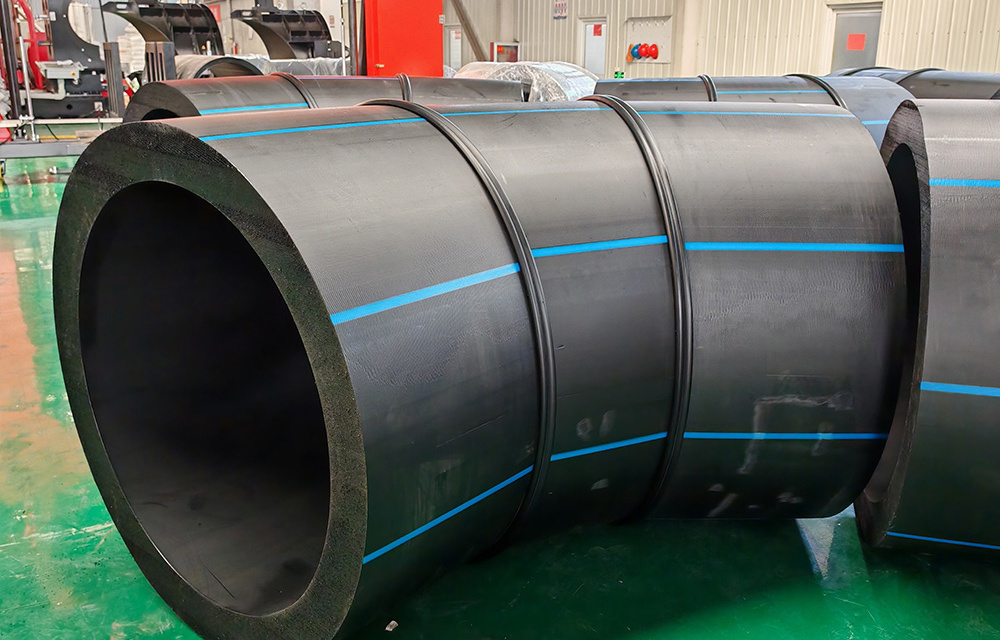
Additionally, HDPE pipes have a high degree of flexibility, which makes them ideal for landfill applications. The flexibility allows for easier installation, even in challenging terrain or tight spaces often found in landfill sites. This adaptability means that HDPE pipes can be laid in various configurations, optimizing the system for efficient leachate collection and transport.
Another critical factor is the effective sealing of HDPE pipes. The fusion welding process used in joining HDPE pipes creates a continuous, leak-free system that limits the risk of leachate escape. This characteristic is crucial not only for protecting the environment but also for maintaining compliance with regulations that mandate strict leachate containment measures.
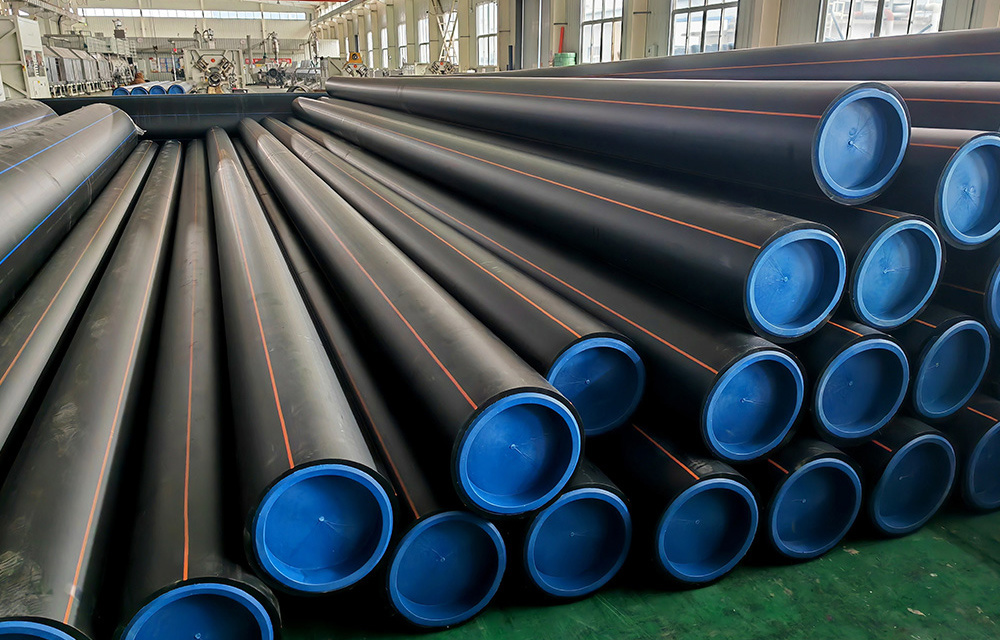
Furthermore, HDPE pipes are lightweight, which simplifies handling and installation. Their reduced weight allows for easier transportation to landfill sites, minimizing logistical challenges associated with heavier materials. This feature can significantly decrease installation times, reducing labor costs and enhancing project efficiency.
In conclusion, utilizing HDPE pipes for landfill leachate management is an effective approach that combines durability, flexibility, and environmental safety. By investing in HDPE pipe systems, landfill operators can ensure efficient leachate collection and transport, which is crucial for protecting both the environment and public health. As regulations continue to tighten, understanding the benefits of HDPE pipes will be essential for maintaining compliance and promoting sustainable waste management practices.

Customer Service Hotline
Sales Department Email
Website (Web)
Customer Service Email
Business Cooperation Email
Address
No.32 Donghai Road, Cangzhou Development Zone, Hebei Province, China
Company Address
No. 32 Donghai Road, Cangzhou Development Zone, Hebei Province, China