


07
2026
-
02
Understanding the Importance of HDPE Pipe in Geothermal Energy Solutions
Understanding the Importance of HDPE Pipe in Geothermal Energy Solutions Geothermal energy, a sustainable and efficient energy source, is gaining traction as a reliable alternative in our quest for cleaner power. At the heart of geothermal energy systems lies a crucial component: **High-Density Polyethylene (HDPE) pipe**. This article investigates the significance of HDPE pipes in geothermal energ
Understanding the Importance of HDPE Pipe in Geothermal Energy Solutions
Geothermal energy, a sustainable and efficient energy source, is gaining traction as a reliable alternative in our quest for cleaner power. At the heart of geothermal energy systems lies a crucial component: **High-Density Polyethylene (HDPE) pipe**. This article investigates the significance of HDPE pipes in geothermal energy applications, exploring their advantages, installation processes, and overall contribution to the industry.
Table of Contents
1. Introduction to Geothermal Energy
2. What is HDPE Pipe?
3. Benefits of HDPE Pipes in Geothermal Systems
3.1 Durability and Longevity
3.2 Resistance to Corrosion
3.3 Flexibility and Ease of Installation
4. Applications of HDPE Pipe in Geothermal Energy
4.1 Ground Source Heat Pump Systems
4.2 Geothermal Power Plants
5. Installation Process of HDPE Pipes
5.1 Site Preparation
5.2 Pipe Installation Techniques
6. Maintenance and Lifespan of HDPE Pipes
7. Environmental Impact of Using HDPE Pipes
8. Frequently Asked Questions (FAQs)
9. Conclusion
1. Introduction to Geothermal Energy
Geothermal energy is derived from the Earth's internal heat, providing a renewable source of energy for various applications. This energy can be harnessed for heating, electricity generation, and even cooling. As the world moves towards sustainable energy solutions, the demand for effective and reliable geothermal systems has increased. Within this context, **HDPE pipes** have emerged as a fundamental component, facilitating efficient energy transfer and system durability.
2. What is HDPE Pipe?
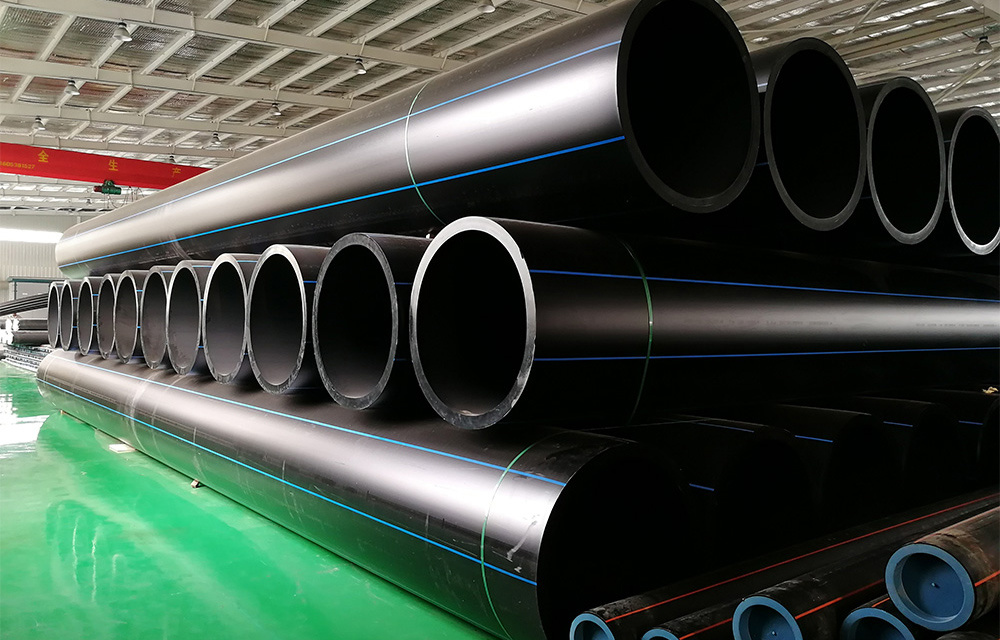
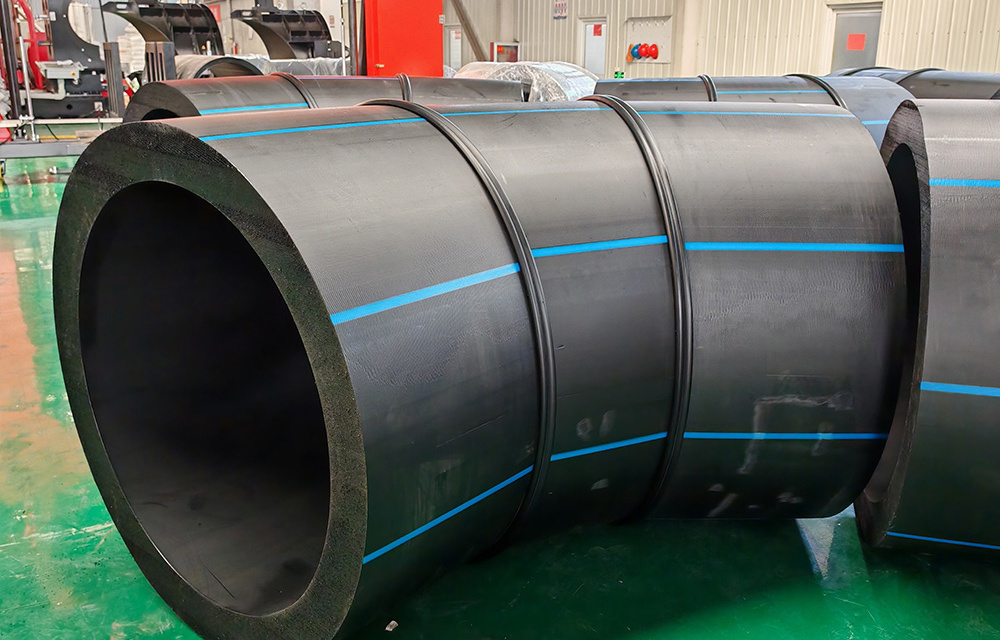
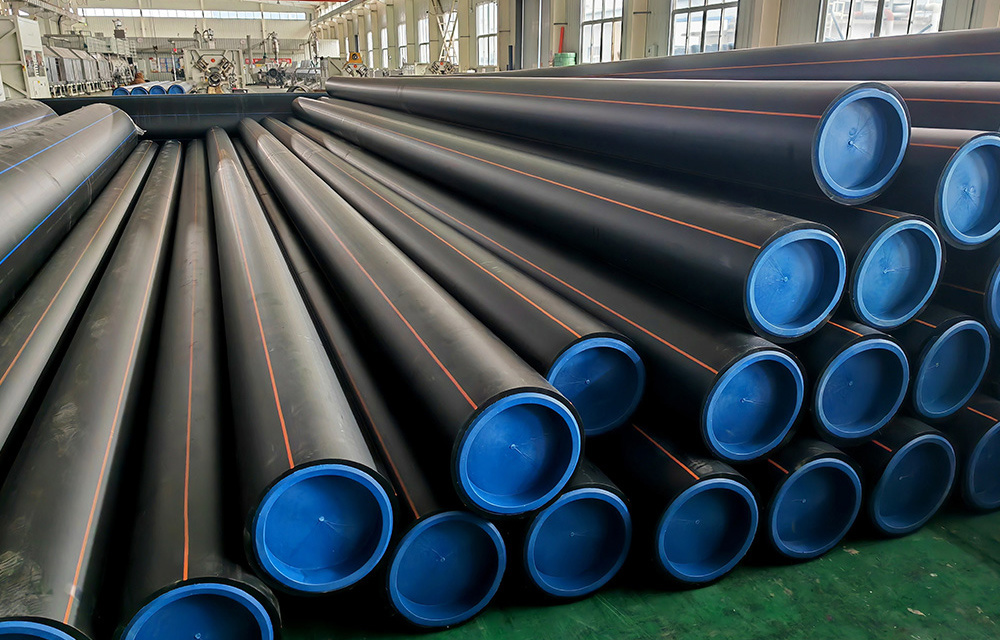
**High-Density Polyethylene (HDPE)** is a thermoplastic polymer known for its high strength-to-density ratio. HDPE pipes are characterized by their robustness, flexibility, and resistance to chemical corrosion. These attributes make HDPE an ideal material for various industrial applications, particularly in geothermal energy systems, where pipes can be exposed to harsh environmental conditions.
3. Benefits of HDPE Pipes in Geothermal Systems
Utilizing HDPE pipes in geothermal energy solutions offers numerous advantages that contribute to the overall efficiency and reliability of these systems.
3.1 Durability and Longevity
One of the most prominent benefits of HDPE pipes is their **exceptional durability**. These pipes can withstand extreme temperatures and pressures, ensuring a long lifespan, which is essential in geothermal applications where they may be buried underground for years.
3.2 Resistance to Corrosion
HDPE pipes are inherently resistant to corrosion and chemical degradation. This resistance is pivotal in geothermal applications, where pipes may encounter various minerals and chemicals present in the ground. By preventing corrosion, HDPE pipes maintain their integrity and reduce the risk of costly repairs.
3.3 Flexibility and Ease of Installation
The flexibility of HDPE allows for easier installation, especially in challenging terrains. This adaptability facilitates bending around obstacles and adapting to the landscape, ultimately reducing the need for additional fittings and joints, which can be points of failure in other piping materials.
4. Applications of HDPE Pipe in Geothermal Energy
The versatility of HDPE pipes allows for their application across various geothermal energy systems, optimizing efficiency and performance.
4.1 Ground Source Heat Pump Systems
Ground source heat pump systems utilize HDPE pipes to circulate fluids in closed-loop systems. These pipes are buried underground, absorbing heat from the earth during winter and dissipating heat back into the ground during summer. The efficiency of these systems is significantly enhanced by the durability and chemical resistance of HDPE.
4.2 Geothermal Power Plants
In geothermal power plants, HDPE pipes are integral to the transportation of steam and geothermal fluids. Their ability to maintain structural integrity under high-pressure conditions ensures efficient energy generation and minimizes downtime due to maintenance issues.
5. Installation Process of HDPE Pipes
The installation of HDPE pipes in geothermal energy systems involves several crucial steps to ensure optimal performance.
5.1 Site Preparation
Before installation, thorough site preparation is essential. This step involves assessing the geological features, identifying potential obstacles, and planning the layout of the piping system. Proper site preparation allows for a seamless installation process.
5.2 Pipe Installation Techniques
HDPE pipes can be installed using various techniques, including fusion welding and mechanical joining. Fusion welding provides a strong, leak-free joint that is ideal for geothermal applications, while mechanical joining offers flexibility in installation methods.
6. Maintenance and Lifespan of HDPE Pipes
The maintenance of HDPE pipes is relatively straightforward due to their innate durability. Regular inspections can help identify potential issues early on, ensuring that the system remains efficient throughout its lifespan, which can exceed 50 years with proper care.
7. Environmental Impact of Using HDPE Pipes
The use of HDPE pipes in geothermal energy systems aligns with sustainable practices. These pipes are recyclable and have a lower environmental impact compared to traditional materials. By reducing the need for frequent replacements and minimizing leakage, HDPE contributes to more sustainable geothermal energy solutions.
8. Frequently Asked Questions (FAQs)
What are the key advantages of using HDPE pipes in geothermal systems?
The primary advantages include durability, corrosion resistance, flexibility, and ease of installation, making them an ideal choice for geothermal applications.
How long do HDPE pipes last in geothermal applications?
With proper installation and maintenance, HDPE pipes can last over 50 years.
Can HDPE pipes be used in extreme temperatures?
Yes, HDPE pipes are designed to withstand a wide range of temperatures, making them suitable for geothermal applications.
What is the installation process for HDPE pipes in geothermal systems?
The installation process involves site preparation, selecting the appropriate installation technique (fusion welding or mechanical joining), and conducting regular inspections.
Are HDPE pipes environmentally friendly?
Yes, HDPE pipes are recyclable and have a lower environmental impact compared to traditional piping materials, contributing to sustainable geothermal energy solutions.
9. Conclusion
In conclusion, **HDPE pipes** play an essential role in the efficiency and reliability of geothermal energy systems. Their durability, resistance to corrosion, and flexibility make them a superior choice for a variety of applications within this field. As the world continues to embrace renewable energy sources, the significance of HDPE pipes will only grow, paving the way for a more sustainable and energy-efficient future in geothermal solutions. By understanding the advantages and applications of HDPE, industry professionals can optimize their geothermal systems for better performance and longevity.

Customer Service Hotline
Sales Department Email
Website (Web)
Customer Service Email
Business Cooperation Email
Address
No.32 Donghai Road, Cangzhou Development Zone, Hebei Province, China
Company Address
No. 32 Donghai Road, Cangzhou Development Zone, Hebei Province, China