


09
2026
-
02
Innovative Applications of HDPE Pipes in Modern Pipe Jacking
Innovative Applications of HDPE Pipes in Modern Pipe Jacking Table of Contents 1. Introduction to HDPE Pipes and Pipe Jacking 2. Benefits of HDPE Pipes in Pipe Jacking 3. Technological Advancements in HDPE Pipe Manufacturing 4. Environmental Impact of HDPE Pipes 5. Real-World Case Studies of HDPE Pipe Applications 6. Installation Techniques for HDPE Pipes in Pipe Jacki
Innovative Applications of HDPE Pipes in Modern Pipe Jacking
Table of Contents
- 1. Introduction to HDPE Pipes and Pipe Jacking
- 2. Benefits of HDPE Pipes in Pipe Jacking
- 3. Technological Advancements in HDPE Pipe Manufacturing
- 4. Environmental Impact of HDPE Pipes
- 5. Real-World Case Studies of HDPE Pipe Applications
- 6. Installation Techniques for HDPE Pipes in Pipe Jacking
- 7. Best Practices for Using HDPE Pipes in Pipe Jacking
- 8. Future Trends and Innovations in HDPE Pipe Technology
- 9. Frequently Asked Questions
- 10. Conclusion
1. Introduction to HDPE Pipes and Pipe Jacking
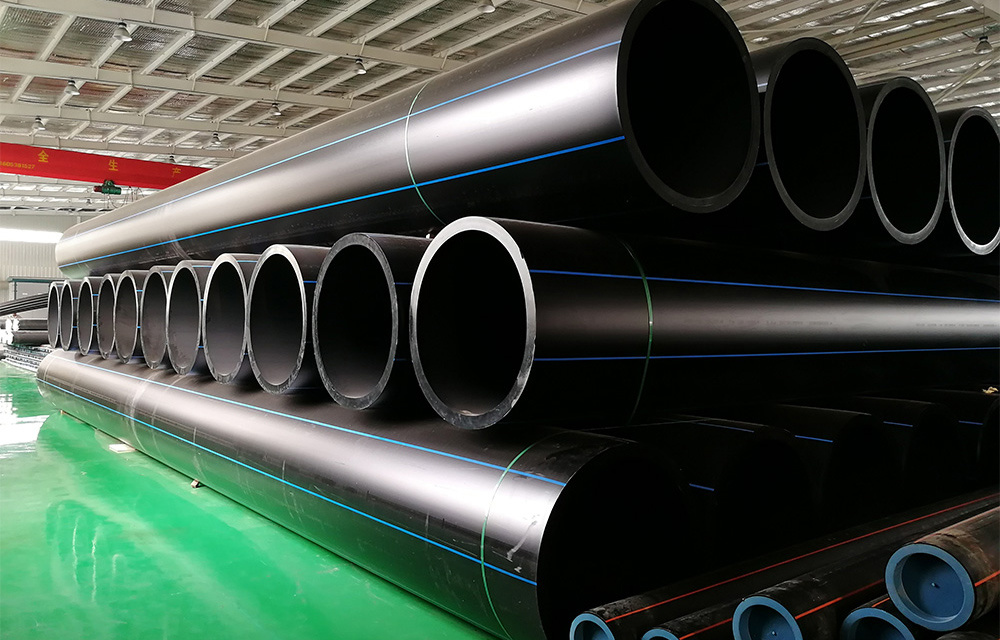
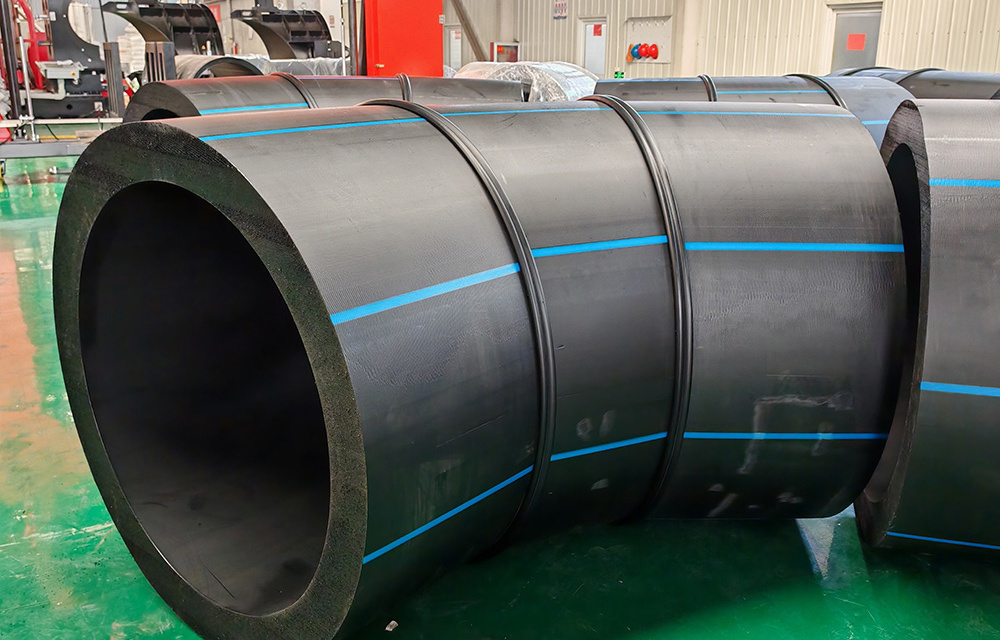
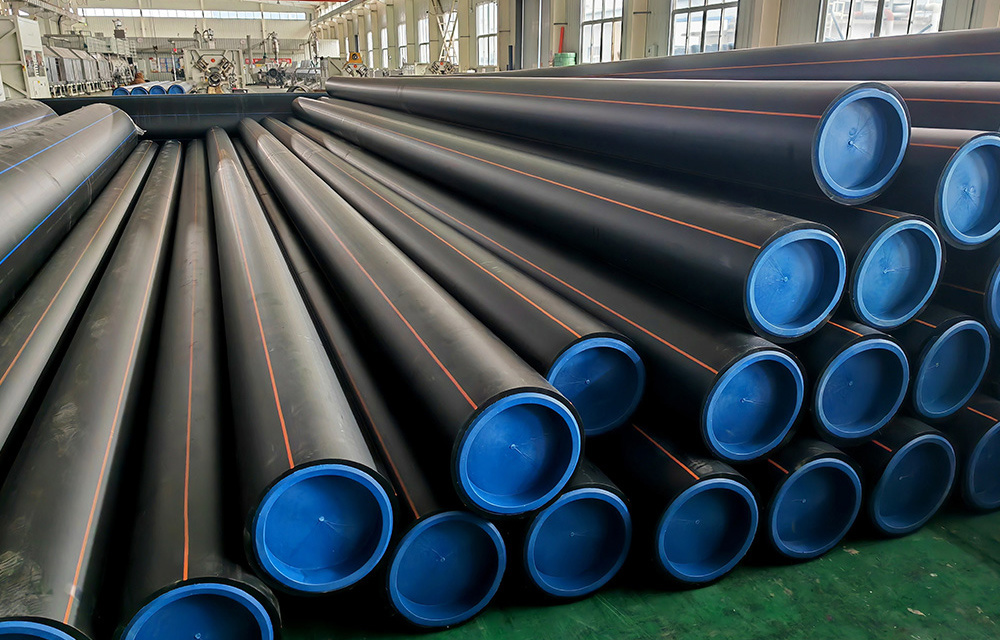
High-Density Polyethylene (HDPE) pipes have revolutionized the construction and infrastructure industry, especially in the field of pipe jacking. Pipe jacking, a technique used for underground construction, involves the installation of pipelines with minimal surface disruption. This method is particularly advantageous in urban areas where traditional excavation could cause significant challenges. The inherent properties of HDPE pipes, such as flexibility, corrosion resistance, and lightweight nature, make them ideal candidates for this innovative application.
2. Benefits of HDPE Pipes in Pipe Jacking
The integration of HDPE pipes in modern pipe jacking projects offers numerous benefits that enhance functionality and operational efficiency. Some of these advantages include:
Durability and Longevity
HDPE pipes exhibit exceptional durability, with a lifespan that can exceed 50 years. Their resistance to corrosion and chemical degradation ensures that they can withstand harsh environmental conditions, making them suitable for various applications.
Cost-effectiveness
Although the initial investment in HDPE pipes may be higher than traditional materials, their long-term cost-effectiveness is undeniable. Lower maintenance costs and fewer replacements contribute to significant overall savings throughout the project lifecycle.
Lightweight and Flexible
The lightweight nature of HDPE allows for easier handling and installation, reducing labor costs and time. In addition, their flexibility enables them to adapt to ground movements, minimizing the risk of damage during installation and operation.
Reduced Environmental Impact
Utilizing HDPE pipes in pipe jacking can result in a smaller environmental footprint. The reduced need for extensive excavation means less disruption to the surrounding ecosystem, making it a more sustainable choice.
3. Technological Advancements in HDPE Pipe Manufacturing
The advancements in HDPE pipe manufacturing have significantly enhanced their performance and application scope. Innovations such as **butt fusion welding**, **electrofusion**, and **molecular orientation technology** have improved the strength and reliability of HDPE pipes, making them suitable for high-pressure applications.
Butt Fusion Welding
This process involves joining two pipe ends by heating them to a molten state and then fusing them together. This creates a strong, leak-free connection, essential for maintaining system integrity in pipe jacking.
Electrofusion
Electrofusion involves inserting a coupling into the pipe ends and applying an electrical current, which melts the pipe material and forms a secure bond. This technique allows for connections in challenging environments, ensuring seamless integration into existing systems.
Molecular Orientation Technology
Recent advancements in molecular orientation technology have led to the production of HDPE pipes with enhanced pressure ratings and improved resistance to environmental stress. This innovation is a game-changer for high-demand applications.
4. Environmental Impact of HDPE Pipes
As the world moves towards more sustainable infrastructure solutions, the environmental impact of construction materials is under scrutiny. HDPE pipes present several environmentally friendly benefits:
Recyclability
HDPE materials are fully recyclable, contributing to a circular economy. When HDPE pipes reach the end of their life cycle, they can be processed and repurposed for new products, reducing waste.
Lower Carbon Footprint
The manufacturing process of HDPE pipes has a lower carbon footprint compared to traditional materials like concrete and steel. Moreover, their lightweight nature reduces transportation emissions.
Minimized Soil Disturbance
The pipe jacking technique, combined with the use of HDPE pipes, minimizes soil disturbance, preserving the natural landscape and protecting local wildlife habitats.
5. Real-World Case Studies of HDPE Pipe Applications
Several high-profile projects have successfully utilized HDPE pipes in pipe jacking, showcasing their capabilities and benefits:
Case Study 1: Urban Water Supply Project
In a major city, a water supply project implemented HDPE pipes to replace aging infrastructure. The pipe jacking technique allowed for the installation of new lines without disrupting the densely populated area, resulting in improved service delivery and reduced water loss.
Case Study 2: Underground Fiber Optic Network
A telecommunications company used HDPE pipes for an underground fiber optic network installation. The flexibility and durability of HDPE ensured the reliable protection of sensitive cables from environmental threats, facilitating efficient communication services.
Case Study 3: Wastewater Management System
An innovative wastewater management system incorporated HDPE pipes for its construction. The project benefited from the corrosion resistance of HDPE, significantly reducing maintenance costs over time and enhancing the system's overall efficiency.
6. Installation Techniques for HDPE Pipes in Pipe Jacking
Proper installation techniques are crucial for the successful application of HDPE pipes in pipe jacking. Key methods include:
Site Preparation
Before installation, thorough site preparation is essential. This includes surveying the area to identify potential obstacles and ensuring that the ground conditions are suitable for pipe jacking.
Jack and Bore Method
This traditional method involves creating a borehole while simultaneously pushing the pipe into place. The combination of jacking and boring minimizes surface disruption and allows for the installation of longer sections of pipe.
Microtunneling
Microtunneling is a more advanced method that utilizes a remotely operated microtunnel boring machine (MTBM) to install HDPE pipes. This technique is particularly useful for installing pipes under roads, rivers, and other infrastructure without disruption.
7. Best Practices for Using HDPE Pipes in Pipe Jacking
To maximize the effectiveness and longevity of HDPE pipes in pipe jacking, several best practices should be followed:
Quality Control
Ensuring high quality in pipe selection and installation is crucial. Regular inspection and testing can prevent future issues, ensuring the integrity of the entire system.
Training and Expertise
Employing skilled professionals trained in HDPE installation techniques can significantly impact the success of a project, minimizing errors and enhancing efficiency.
Regular Maintenance
Although HDPE pipes are low maintenance, periodic checks can help identify potential problems early on, allowing for timely interventions and extending the lifespan of the infrastructure.
8. Future Trends and Innovations in HDPE Pipe Technology
Looking ahead, several trends and innovations are poised to influence the future of HDPE pipes in pipe jacking:
Smart Pipe Technology
The integration of sensors and IoT technology into HDPE pipes can provide real-time data on flow rates, pressure levels, and potential leaks, enhancing monitoring and maintenance capabilities.
Improved Recycling Processes
Advancements in recycling technology will further enhance the sustainability of HDPE pipes, allowing for more efficient repurposing and reducing the environmental impact of production.
Enhanced Design Capabilities
Future innovations may lead to the development of HDPE pipes with improved structural properties, enabling them to withstand more demanding applications and environmental conditions.
9. Frequently Asked Questions
What are HDPE pipes used for in pipe jacking?
HDPE pipes are primarily used for water supply, wastewater management, and telecommunications applications in pipe jacking due to their durability and flexibility.
How long do HDPE pipes last?
HDPE pipes typically have a lifespan of over 50 years, depending on the application and environmental conditions.
Are HDPE pipes environmentally friendly?
Yes, HDPE pipes are recyclable and have a lower carbon footprint compared to traditional materials, making them a more sustainable choice.
What is the difference between traditional excavation and pipe jacking?
Pipe jacking is a trenchless method that minimizes surface disruption, while traditional excavation involves digging large trenches, which can be more invasive and disruptive.
Can HDPE pipes be used for high-pressure applications?
Yes, advancements in HDPE manufacturing have produced pipes that can handle high-pressure applications effectively.
10. Conclusion
The innovative applications of HDPE pipes in modern pipe jacking reflect a significant advancement in construction technology. Their unique properties, including durability, cost-effectiveness, and environmental benefits, position them as a leading choice for underground construction projects. As technologies continue to evolve, the potential for HDPE pipes in improving infrastructure efficiency and sustainability remains promising. By embracing these advancements, we can pave the way for a more resilient and eco-friendly future.

Customer Service Hotline
Sales Department Email
Website (Web)
Customer Service Email
Business Cooperation Email
Address
No.32 Donghai Road, Cangzhou Development Zone, Hebei Province, China
Company Address
No. 32 Donghai Road, Cangzhou Development Zone, Hebei Province, China