


04
2026
-
02
Understanding the Advantages of HDPE Pipes in Pipe Jacking Applications
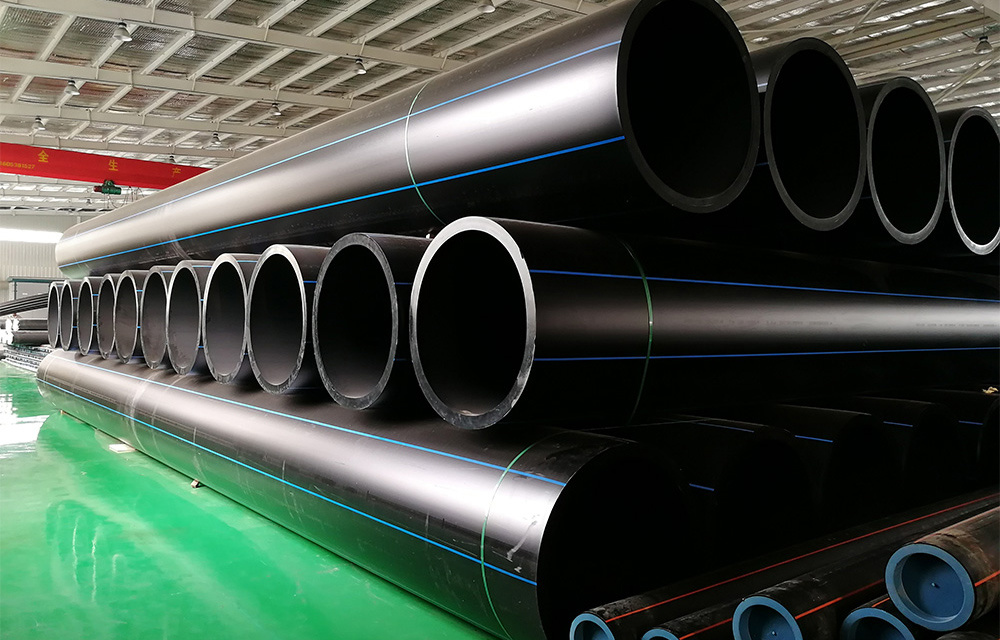
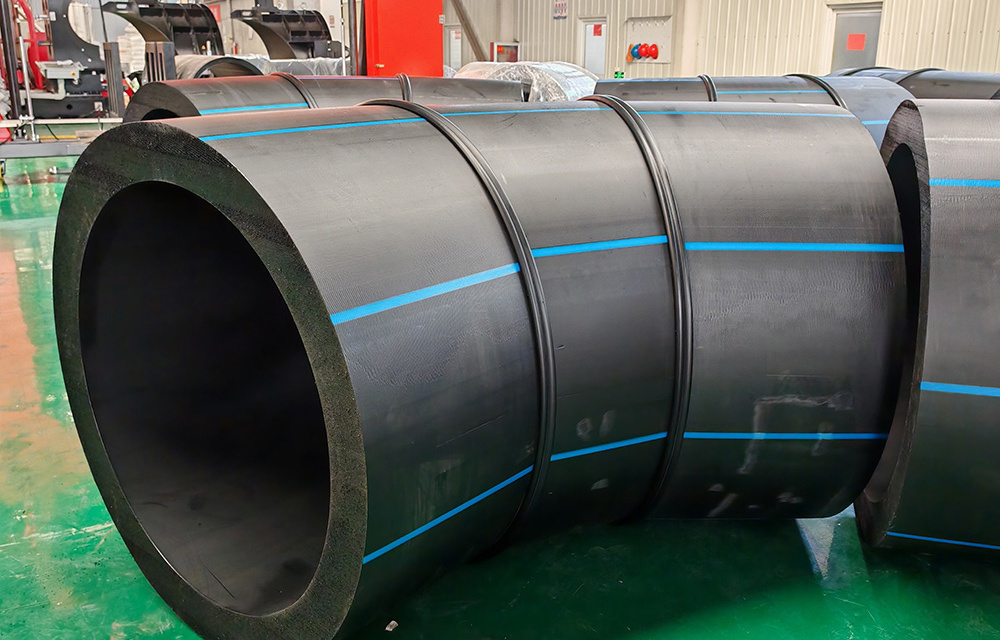
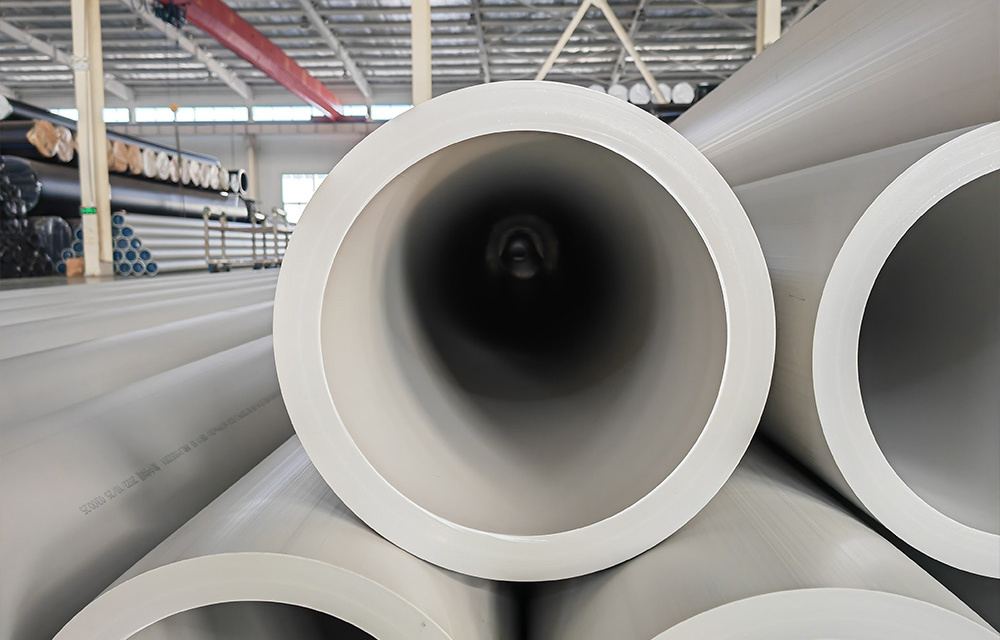
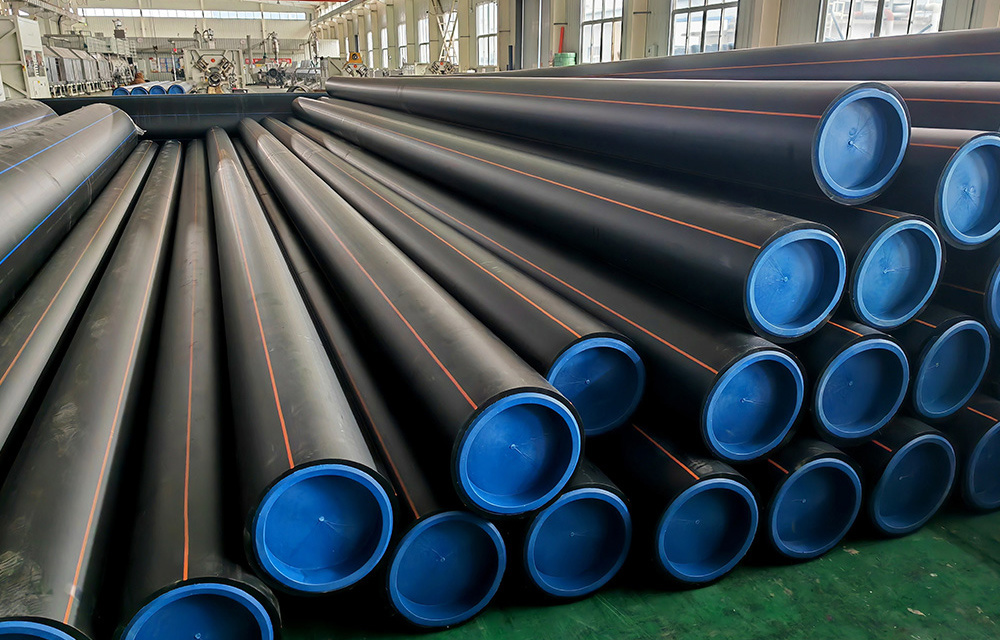
In the realm of industrial equipment and components, particularly in pipeline systems, HDPE (High-Density Polyethylene) pipes have emerged as a popular choice for pipe jacking applications. This method, often employed in trenchless construction, involves the installation of pipes underground while minimizing surface disruption. By understanding the advantages of HDPE pipes in this context, profess
One of the primary benefits of HDPE pipes is their exceptional durability. Made from high-density polyethylene, these pipes are resistant to corrosion, abrasion, and chemicals, allowing them to withstand harsh environmental conditions. This durability is particularly advantageous in pipe jacking, where the pipes are subjected to significant mechanical stresses during installation. As a result, HDPE pipes not only have a long service life but also reduce the need for frequent replacements and repairs, ultimately leading to lower maintenance costs.
Flexibility is another key characteristic of HDPE pipes that enhances their utility in pipe jacking applications. Unlike rigid pipes, HDPE can bend and adjust to the contours of the surrounding soil, which is crucial when navigating obstacles or uneven terrain. This flexibility allows for smoother installation processes, minimizing the risk of damage during jacking. Furthermore, the lightweight nature of HDPE pipes simplifies handling and installation, reducing labor costs and time on-site.
Cost-effectiveness is a vital consideration in any pipeline project, and HDPE pipes stand out in this regard. Due to their long lifespan and minimal maintenance needs, the total cost of ownership for HDPE pipes can be significantly lower compared to traditional materials. Additionally, the efficiency of pipe jacking methods when using HDPE can lead to faster project completion times, which further contributes to overall budget savings.
Another important aspect of HDPE pipes is their environmental impact. Being fully recyclable, HDPE contributes to sustainability efforts in the industrial sector. The use of trenchless technology, combined with HDPE pipes, minimizes soil disturbance and reduces the ecological footprint of construction projects. This alignment with environmental best practices is increasingly important for companies aiming to meet regulatory requirements and bolster their corporate social responsibility.
In conclusion, HDPE pipes offer numerous advantages in pipe jacking applications, including durability, flexibility, cost-effectiveness, and environmental sustainability. As the industry continues to evolve, incorporating HDPE pipes into pipeline projects can enhance operational efficiency and contribute to successful outcomes. By leveraging these benefits, professionals in the industrial equipment and components sector can drive innovation and ensure the longevity of their infrastructure investments.

Customer Service Hotline
Sales Department Email
Website (Web)
Customer Service Email
Business Cooperation Email
Address
No.32 Donghai Road, Cangzhou Development Zone, Hebei Province, China
Company Address
No. 32 Donghai Road, Cangzhou Development Zone, Hebei Province, China