


05
2026
-
02
Why Every Builder Should Consider PPH Hot Melt Pipe Fittings: A Comprehensive Guide
Why Every Builder Should Consider PPH Hot Melt Pipe Fittings Understanding PPH Hot Melt Pipe Fittings PPH (Polypropylene Homopolymer) hot melt pipe fittings have gained significant popularity in the construction industry. These fittings are manufactured through a specialized process that enhances their performance and versatility, making them ideal for various applications. This article explores t
Why Every Builder Should Consider PPH Hot Melt Pipe Fittings
Understanding PPH Hot Melt Pipe Fittings
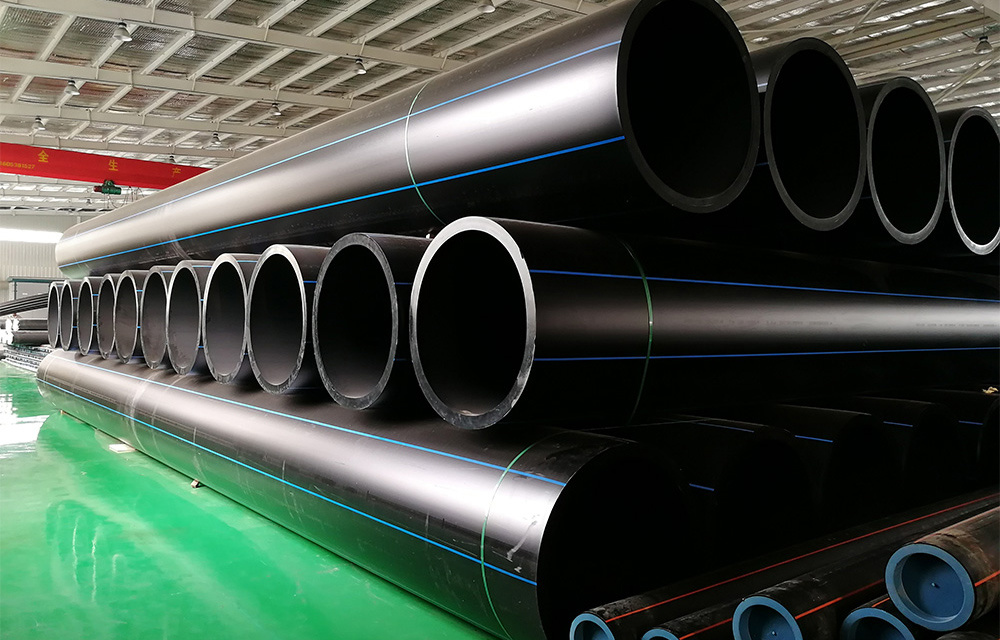
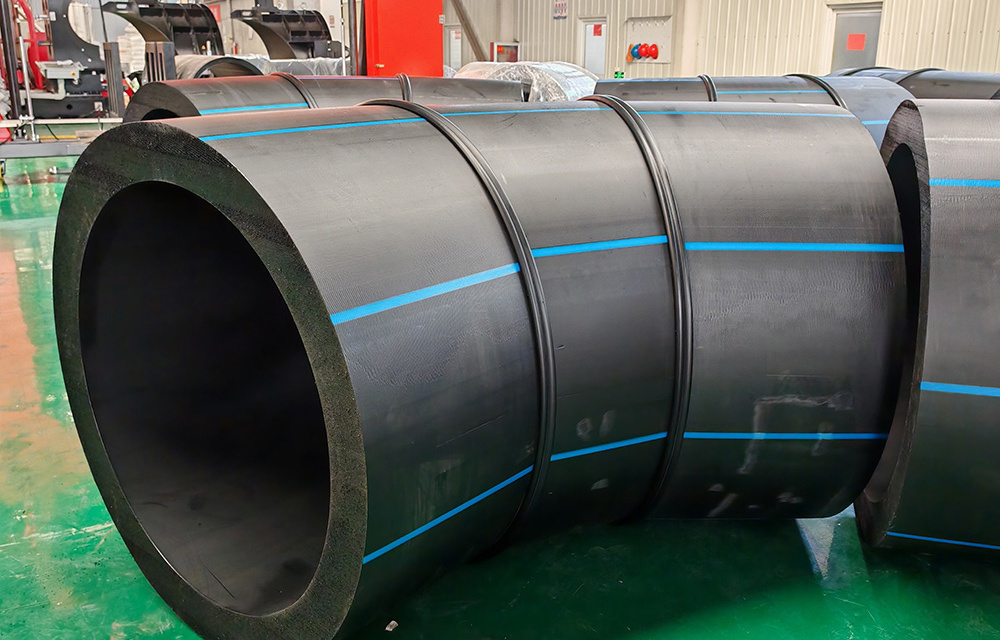
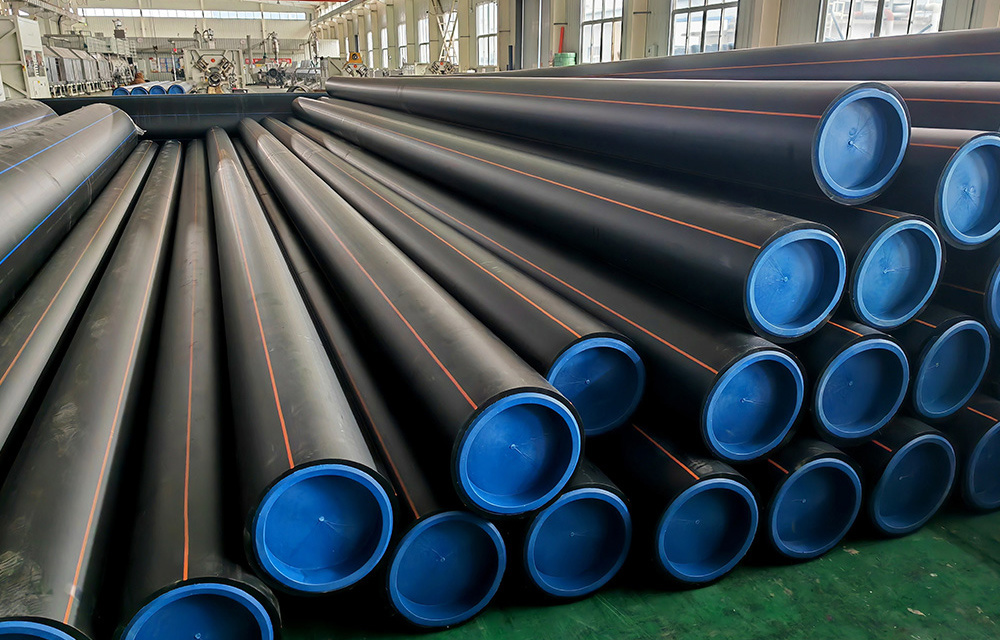
PPH (Polypropylene Homopolymer) hot melt pipe fittings have gained significant popularity in the construction industry. These fittings are manufactured through a specialized process that enhances their performance and versatility, making them ideal for various applications. This article explores the essential aspects of PPH fittings, including their composition, advantages, and practical uses in the field.
The Composition of PPH Hot Melt Pipe Fittings
What Makes PPH Unique?
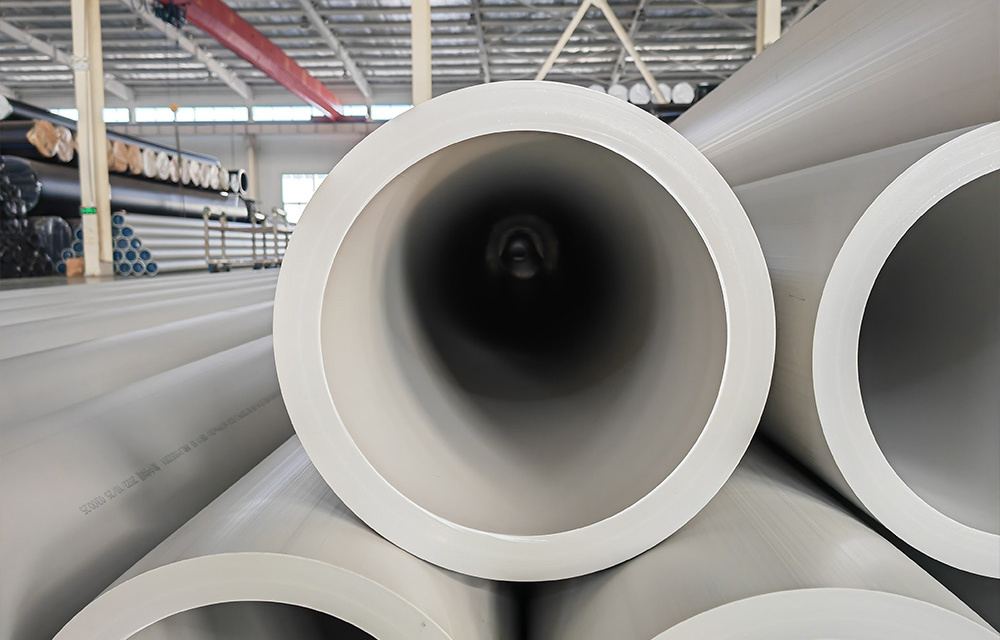
PPH fittings are crafted from a thermoplastic polymer, specifically polypropylene. This material is known for its excellent chemical resistance, durability, and overall strength. The unique properties of PPH make it suitable for a wide range of applications, particularly in environments where traditional materials may fail.
Manufacturing Process
The manufacturing process of PPH fittings involves the application of heat and pressure to form the desired shape. This hot melt technique allows for seamless connections and a robust bond between pipes and fittings, resulting in a highly efficient plumbing system.
Advantages of PPH Hot Melt Pipe Fittings
Durability and Longevity
One of the most compelling reasons to choose PPH hot melt pipe fittings is their remarkable durability. These fittings are designed to withstand extreme temperatures and pressures, making them suitable for both residential and industrial applications. The lifespan of PPH fittings often surpasses that of traditional materials, leading to reduced maintenance costs over time.
Ease of Installation
PPH fittings are lightweight and easy to handle, which significantly simplifies the installation process. Builders can quickly connect fittings to pipes using standard tools, without the need for specialized equipment or extensive training. This ease of installation can lead to time savings on the job site, enhancing overall project efficiency.
Cost-Effectiveness
While the initial investment in PPH fittings may be higher than that of some traditional materials, their long-term cost-effectiveness is undeniable. The combination of durability, low maintenance requirements, and ease of installation means that builders can save money in the long run.
Applications of PPH Hot Melt Pipe Fittings
Residential Plumbing
In residential contexts, PPH hot melt pipe fittings are often used for hot and cold water supply systems. Their ability to resist corrosion and scale build-up ensures a long-lasting and reliable plumbing system, providing homeowners with peace of mind.
Industrial Applications
In industrial settings, PPH fittings are utilized in chemical processing, waste management, and other demanding environments. Their resistance to a wide variety of chemicals makes them suitable for transporting hazardous materials safely.
Agricultural Uses
Agricultural installations frequently leverage PPH fittings for irrigation systems. The fittings’ ability to handle various fluid types and their resistance to weathering make them a practical choice for outdoor applications.
PPH Hot Melt Fittings vs. Traditional Materials
Comparing PPH with PVC and CPVC
While PVC and CPVC fittings have been staples in the plumbing industry, PPH offers distinct advantages. PPH fittings generally have a higher temperature tolerance than PVC and are less likely to become brittle over time. This makes PPH a more resilient choice for systems exposed to heat.
Corrosion Resistance
Unlike metal fittings, PPH fittings do not rust or corrode over time. This property is particularly beneficial in environments where moisture and chemicals are prevalent, ensuring a longer lifespan with minimal maintenance.
Frequently Asked Questions (FAQs)
1. What are the temperature limits for PPH hot melt pipe fittings?
PPH fittings can typically withstand temperatures up to 90°C (194°F), making them suitable for most hot water applications.
2. Are PPH fittings compatible with other types of piping?
Yes, PPH fittings can be connected to other piping materials, such as PVC and CPVC, with the appropriate adapters.
3. How do you install PPH hot melt pipe fittings?
Installation involves heating the fitting and pipe ends before pressing them together to create a strong bond. This process is straightforward and requires minimal training.
4. Can PPH fittings be used outdoors?
Yes, PPH fittings are resistant to UV rays and weathering, making them suitable for various outdoor applications.
5. What is the expected lifespan of PPH hot melt pipe fittings?
With proper installation and maintenance, PPH fittings can last for several decades, providing excellent value over time.
Conclusion
In conclusion, PPH hot melt pipe fittings represent a superior choice for builders seeking reliable, durable, and cost-effective piping solutions. Their unique properties and ease of installation make them an ideal option for a myriad of applications, from residential plumbing to industrial processes. By incorporating PPH fittings into construction projects, builders can ensure long-lasting performance and satisfaction for their clients. As the industry continues to evolve, the reliance on innovative materials like PPH will undoubtedly grow, solidifying their importance in the building materials sector.

Customer Service Hotline
Sales Department Email
Website (Web)
Customer Service Email
Business Cooperation Email
Address
No.32 Donghai Road, Cangzhou Development Zone, Hebei Province, China
Company Address
No. 32 Donghai Road, Cangzhou Development Zone, Hebei Province, China