


03
2026
-
02
Exploring the Durability of HDPE Pipe in Landfill Applications: A Comprehensive Guide
Exploring the Durability of HDPE Pipe in Landfill Applications Table of Contents Introduction to HDPE Pipes in Landfills What is HDPE? Benefits of Using HDPE Pipes in Landfill Applications Chemical Resistance Flexibility and Strength Lightweight and Easy to Install Challenges in Using HDPE Pipes in Landfills
Exploring the Durability of HDPE Pipe in Landfill Applications
Table of Contents
- Introduction to HDPE Pipes in Landfills
- What is HDPE?
- Benefits of Using HDPE Pipes in Landfill Applications
- Challenges in Using HDPE Pipes in Landfills
- Real-World Applications of HDPE Pipes in Landfills
- The Future of HDPE Pipes in Landfill Management
- Frequently Asked Questions
- Conclusion
Introduction to HDPE Pipes in Landfills
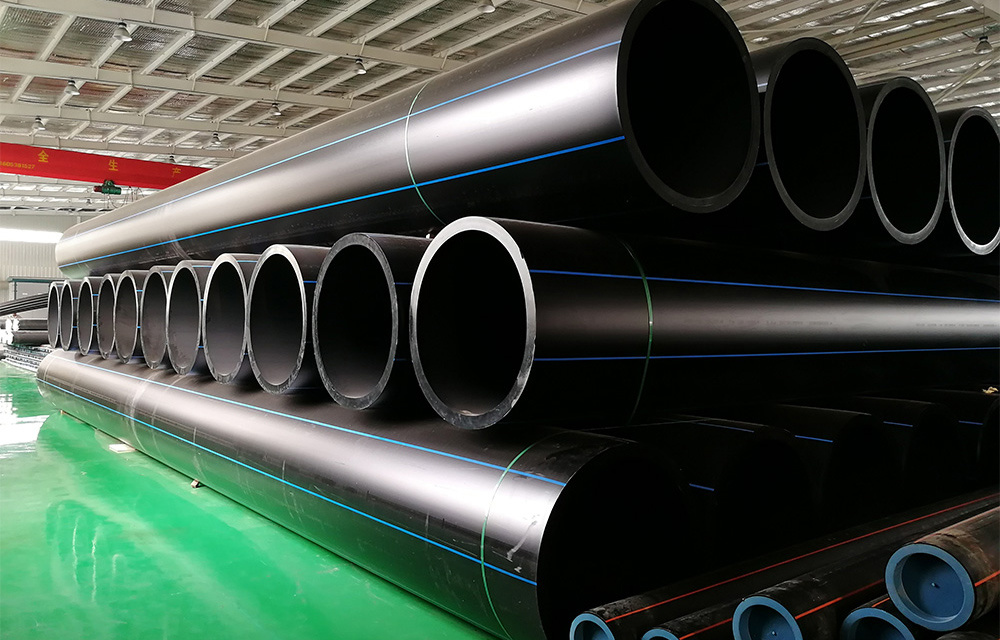
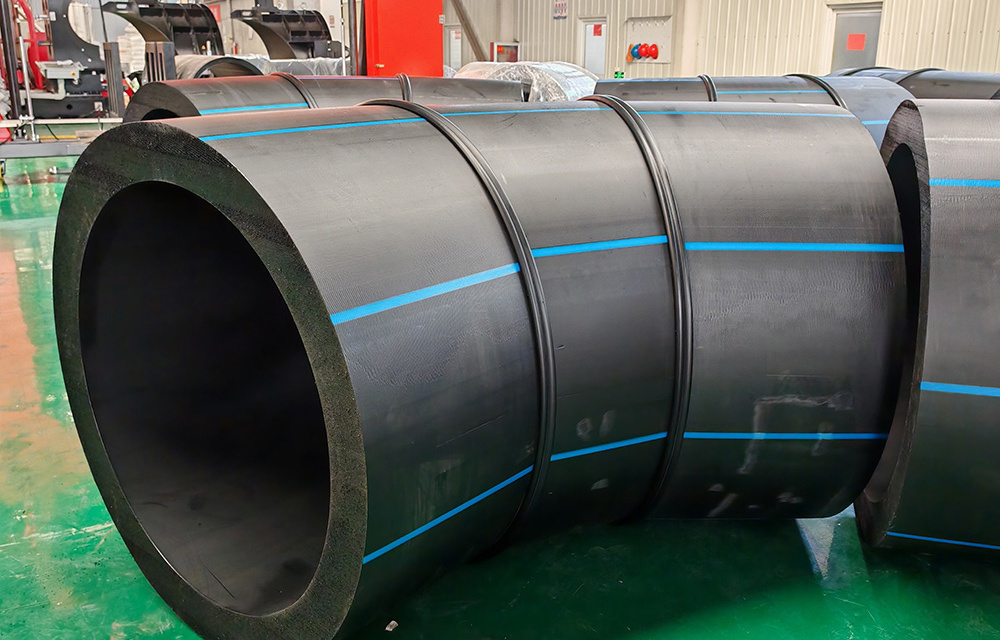
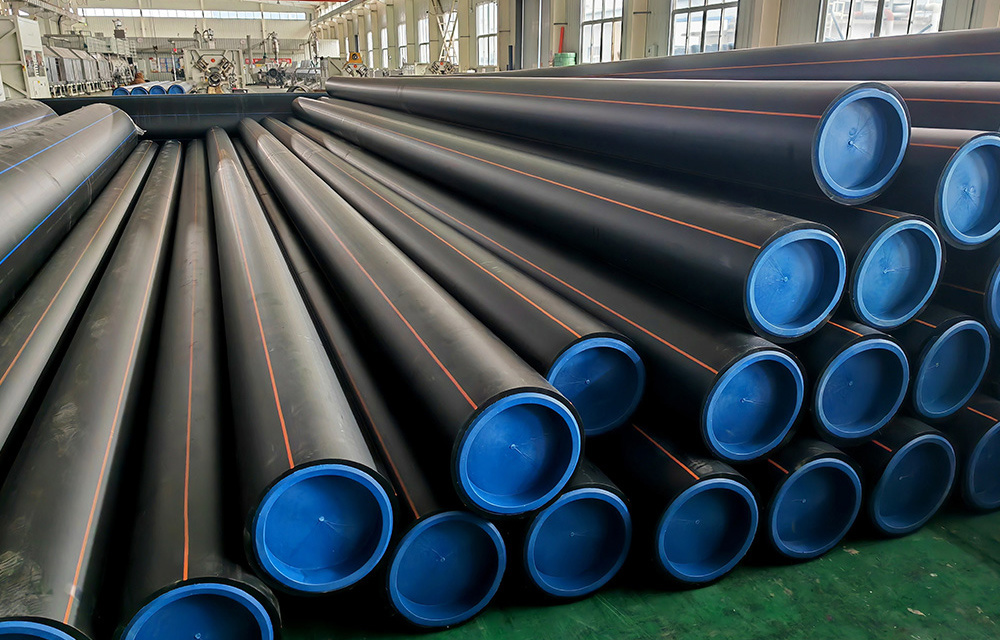
In the world of industrial equipment and components, **HDPE (High-Density Polyethylene) pipes** have emerged as a leading choice for various applications, particularly in landfill management. Known for their impressive durability and resistance to a multitude of environmental factors, HDPE pipes play a crucial role in maintaining the integrity of landfill operations. This article explores the durability of HDPE pipes, focusing on their benefits, challenges, and real-world applications in landfill settings.
What is HDPE?
**High-Density Polyethylene (HDPE)** is a thermoplastic polymer made from petroleum. It is recognized for its high strength-to-density ratio, making it ideal for applications that require robustness and durability. HDPE is widely used in various industries due to its chemical resistance, flexibility, and lightweight properties. In landfill applications, HDPE pipes are particularly valued for their ability to withstand harsh conditions, including exposure to toxic substances and extreme weather.
Benefits of Using HDPE Pipes in Landfill Applications
The benefits of using HDPE pipes in landfill applications are numerous. Below, we delve into the specific advantages that make HDPE an optimal choice for waste management solutions.
Chemical Resistance
One of the standout features of HDPE pipes is their exceptional **chemical resistance**. In landfill environments, pipes are often subjected to a variety of aggressive chemicals, including leachate from decomposing waste. HDPE's robust molecular structure allows it to resist degradation from acids, bases, and organic solvents, ensuring longevity and reliability in challenging conditions.
Flexibility and Strength
HDPE pipes exhibit remarkable **flexibility and strength**, enabling them to withstand significant stress without cracking or breaking. This flexibility is essential when dealing with ground settling or shifting, common in landfill sites. Moreover, HDPE's high tensile strength ensures that the pipes can support heavy loads, whether from soil or waste aggregates above them.
Lightweight and Easy to Install
Another advantage of HDPE pipes is their **lightweight** nature, which facilitates easier handling and installation. The reduced weight leads to lower transportation costs and simplifies the installation process, allowing workers to install pipes more efficiently and safely. Additionally, the seamless jointing methods used with HDPE further enhance installation efficiency and reduce the risk of leaks.
Challenges in Using HDPE Pipes in Landfills
Despite their many benefits, there are challenges associated with the use of HDPE pipes in landfill applications. Understanding these challenges is crucial for effective project planning and execution.
Environmental Considerations
While HDPE pipes are highly durable, their environmental impact cannot be ignored. The production of HDPE involves fossil fuels, raising concerns about sustainability and resource depletion. Furthermore, improper disposal of HDPE products can lead to environmental pollution, necessitating responsible handling and recycling practices.
Long-term Performance Issues
Though HDPE is known for its durability, **long-term performance** can be a concern, particularly when exposed to UV radiation and extreme temperatures. Over time, UV exposure can lead to degradation of the material, potentially compromising the integrity of the pipes. Thus, proper installation and protective measures must be considered to enhance the lifespan of HDPE pipes in outdoor landfill applications.
Real-World Applications of HDPE Pipes in Landfills
HDPE pipes have found extensive applications in landfill management across various regions. Their versatility allows them to be used in several capacities, including:
1. **Leachate Collection Systems**: HDPE pipes are often used to construct leachate collection systems, which capture and transport liquid waste away from the landfill. This ensures that potentially harmful leachate is efficiently managed and treated, reducing environmental contamination.
2. **Gas Control Systems**: Landfills generate gas as waste decomposes. HDPE pipes can be utilized in gas collection systems to safely transport landfill gas for energy recovery or flaring, minimizing emissions and enhancing sustainability.
3. **Drainage Systems**: In landfill sites, proper drainage is essential to prevent water accumulation and manage stormwater runoff. HDPE pipes are commonly employed in drainage systems to facilitate efficient water management.
4. **Capping Systems**: After a landfill reaches its capacity, capping systems are implemented to seal the waste and prevent environmental contamination. HDPE pipes can be used in these systems to manage stormwater and leachate effectively.
The Future of HDPE Pipes in Landfill Management
Looking ahead, the future of HDPE pipes in landfill management appears promising. As the industry increasingly shifts towards sustainable practices, the demand for durable, environmentally friendly materials like HDPE is likely to rise. Innovations in HDPE technology, such as enhanced UV-resistant formulations and recycling methods, will further strengthen its position in the market.
Emerging trends, including the integration of smart technology in pipe systems, will enable better monitoring and management of landfill operations. This evolution will not only enhance the efficiency of waste management but also contribute to environmental protection.
Frequently Asked Questions
1. What makes HDPE pipes suitable for landfill applications?
HDPE pipes are chemically resistant, flexible, lightweight, and have high tensile strength, making them ideal for the harsh conditions found in landfills.
2. How long can HDPE pipes last in landfill conditions?
With proper installation and protective measures, HDPE pipes can last several decades, although factors like UV exposure and temperature extremes can affect longevity.
3. Are there any environmental concerns regarding HDPE pipes?
Yes, while HDPE is durable, its production relies on fossil fuels, and improper disposal can lead to environmental pollution. Responsible handling and recycling practices are essential.
4. Can HDPE pipes be recycled?
Yes, HDPE pipes are recyclable. Many manufacturers have programs in place to recycle HDPE products, contributing to sustainable waste management practices.
5. How do HDPE pipes compare to other materials used in landfill applications?
Compared to other materials, HDPE pipes offer superior chemical resistance, flexibility, and lightweight characteristics, making them a preferred choice in many landfill applications.
Conclusion
In conclusion, **HDPE pipes** stand out as a durable, effective solution for landfill applications, offering numerous advantages over traditional materials. Their chemical resistance, flexibility, and ease of installation make them an ideal choice for managing leachate, gas, and drainage in landfill settings. While challenges exist, particularly regarding environmental impact and long-term performance, the continued evolution of HDPE technology promises to enhance its application in sustainable waste management practices. As we look towards the future, the role of HDPE pipes in landfill operations is set to grow, supporting the industry’s commitment to environmental responsibility.

Customer Service Hotline
Sales Department Email
Website (Web)
Customer Service Email
Business Cooperation Email
Address
No.32 Donghai Road, Cangzhou Development Zone, Hebei Province, China
Company Address
No. 32 Donghai Road, Cangzhou Development Zone, Hebei Province, China