


02
2026
-
02
Understanding the Role of HDPE Pipe in Geothermal Systems
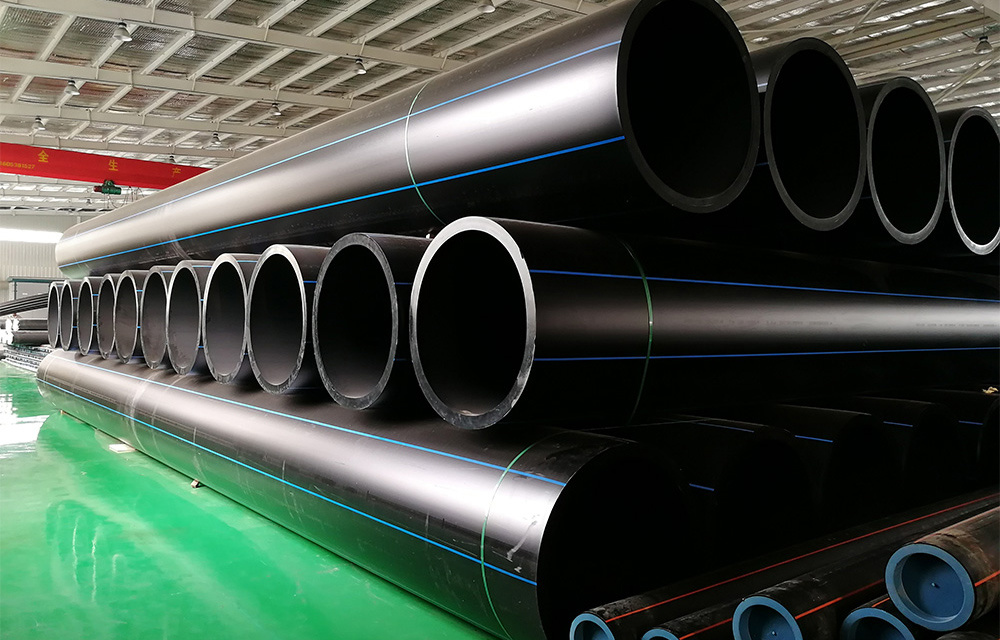
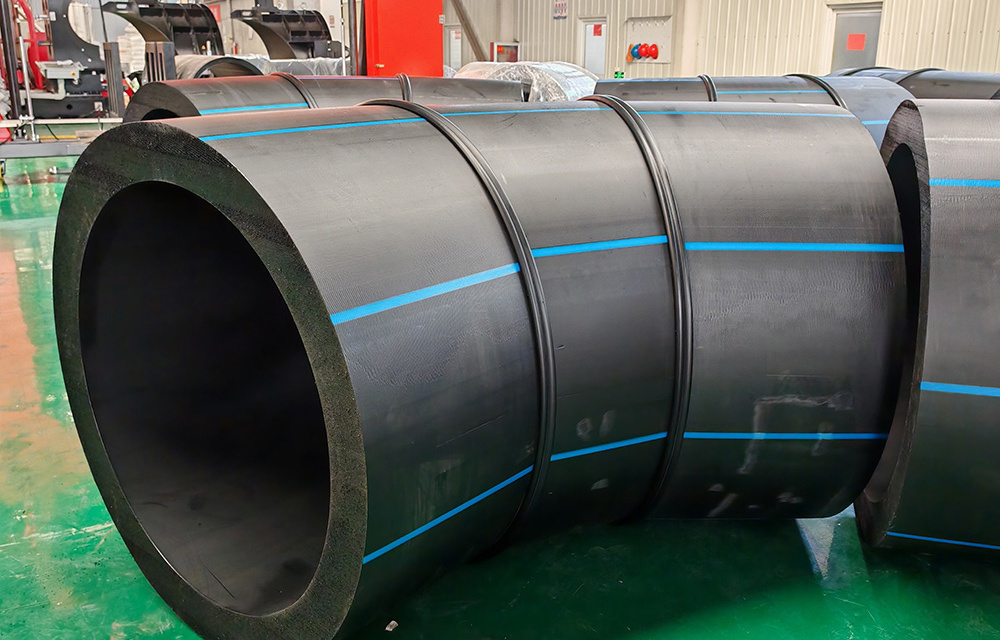
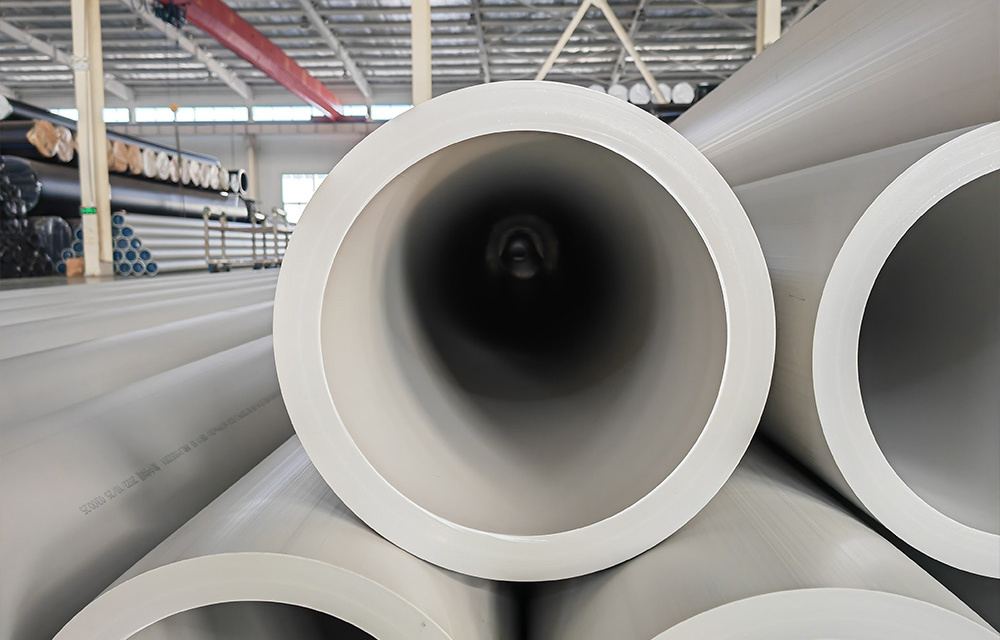
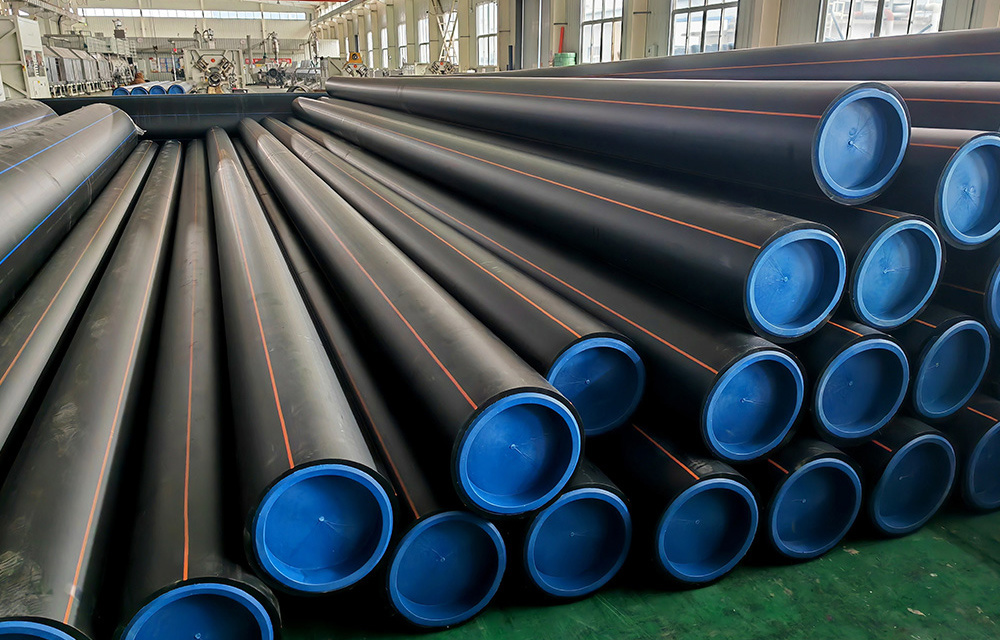
In the realm of geothermal systems, the choice of piping material is critical for ensuring efficiency, durability, and optimal performance. High-Density Polyethylene (HDPE) pipes have emerged as a popular option due to their unique properties and advantages. This article delves into the significance of HDPE pipes in geothermal applications, highlighting their benefits and technical characteristics
One of the primary benefits of HDPE pipes in geothermal systems is their exceptional resistance to corrosion. Unlike metal pipes, which can deteriorate over time due to exposure to various environmental factors, HDPE is inherently resistant to a wide range of chemicals, making it ideal for the hostile conditions often found in geothermal applications. This resistance extends the lifespan of the piping system, reducing the need for frequent replacements and maintenance.
In addition to corrosion resistance, HDPE pipes are known for their flexibility and ease of installation. They can be easily bent to fit around obstacles, which minimizes the need for additional fittings and joints that can become potential leak points. This flexibility not only speeds up the installation process but also allows for better adaptability in various geological conditions, which is crucial for the successful implementation of geothermal systems.
Thermal conductivity is another important factor to consider when selecting piping for geothermal systems. HDPE pipes have favorable thermal properties that facilitate efficient heat transfer. This characteristic is essential in geothermal installations, where maintaining optimal temperature levels is critical for maximizing energy efficiency. The smooth interior surface of HDPE pipes also reduces friction loss, allowing for better fluid flow and improved overall system performance.
Moreover, HDPE pipes offer excellent impact resistance and can withstand extreme temperatures, which is vital in geothermal applications where temperature fluctuations can be significant. This durability ensures that the piping can handle the stresses involved in both heating and cooling cycles without compromising safety or functionality.
Environmental sustainability is a growing concern in many industries, and HDPE pipes contribute positively in this regard. They are recyclable and can be repurposed, aligning with eco-friendly practices that many companies are striving to adopt. Utilizing HDPE in geothermal systems not only enhances operational efficiency but also supports a commitment to environmental responsibility.
In conclusion, HDPE pipes play a pivotal role in the effectiveness and reliability of geothermal systems. Their corrosion resistance, flexibility, efficient thermal properties, and environmental benefits make them an excellent choice for industrial applications. By understanding the advantages of HDPE pipes, stakeholders in the geothermal industry can make informed decisions that lead to enhanced performance and sustainability in their systems.

Customer Service Hotline
Sales Department Email
Website (Web)
Customer Service Email
Business Cooperation Email
Address
No.32 Donghai Road, Cangzhou Development Zone, Hebei Province, China
Company Address
No. 32 Donghai Road, Cangzhou Development Zone, Hebei Province, China