


29
2026
-
01
Understanding the Role of HDPE Pipes in Managing Landfill Leachate
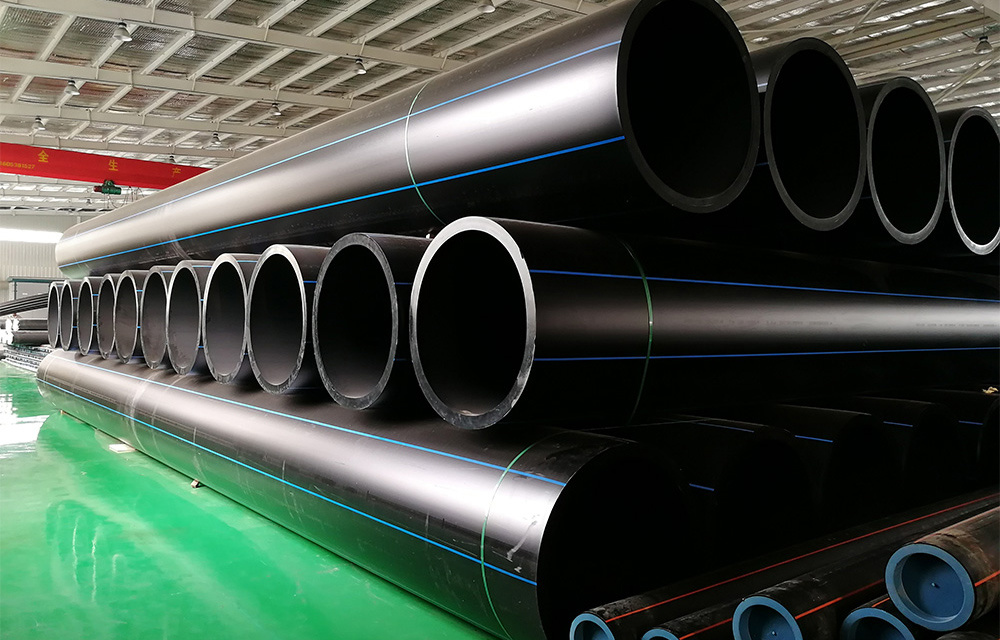
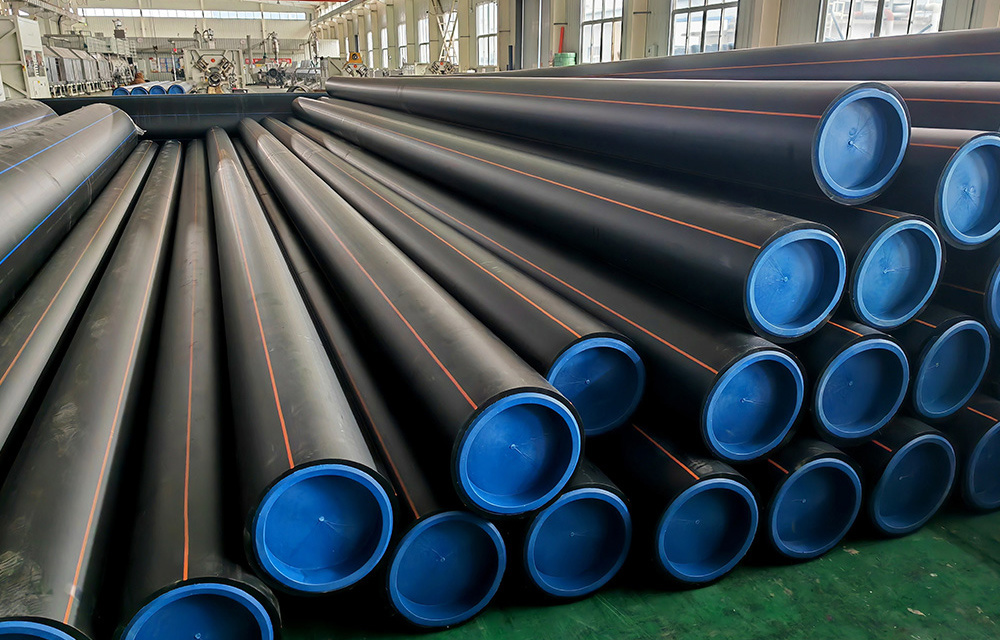
High-density polyethylene (HDPE) pipes have gained significant attention in the industrial equipment and components sector, particularly for their use in managing landfill leachate. Leachate, the liquid that drains or seeps from a landfill, can contain a variety of hazardous substances. Therefore, effective management of this leachate is critical to preventing groundwater contamination and ensurin
One of the primary benefits of HDPE pipes is their excellent chemical resistance. Unlike traditional materials, HDPE can withstand a wide range of corrosive substances commonly found in landfill leachate. This durability extends the lifespan of the pipes, reducing the need for frequent replacements and minimizing maintenance costs. Additionally, HDPE pipes are less prone to cracking and breakage, which is particularly important in the challenging conditions of landfill environments.
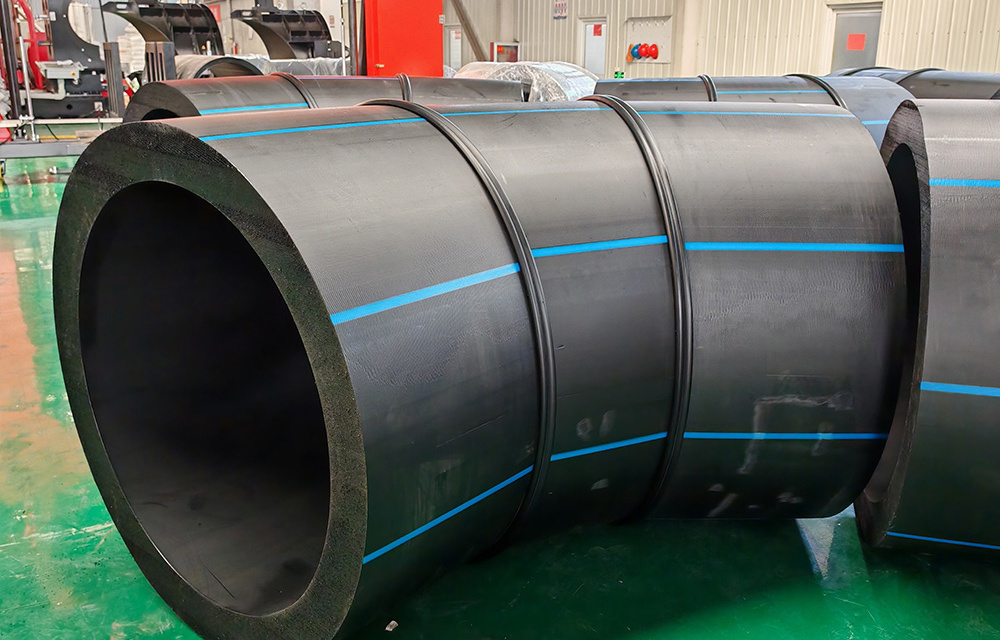
Another notable advantage of HDPE pipes is their flexibility. This flexibility allows for easier installation, even in confined or uneven spaces typically found in landfills. The lightweight nature of HDPE also contributes to lower transportation costs and simplifies handling during installation. Furthermore, HDPE can be fused together using heat, creating a monolithic piping system that is virtually leak-proof. This characteristic is essential in leachate management, where even minor leaks can lead to significant environmental issues.
In terms of environmental impact, using HDPE pipes aligns with sustainable practices. The material itself is recyclable, and its extended lifespan contributes to reduced waste. By effectively managing leachate with HDPE pipes, landfills can mitigate their impact on surrounding ecosystems and comply with environmental regulations.
The installation of HDPE pipes in leachate collection systems typically involves trenching, where the pipes are placed in a carefully designed network that collects leachate from various sections of the landfill. This leachate is then transported to treatment facilities where it can be processed and treated before being released or reused. Incorporating HDPE pipes into these systems ensures that leachate is managed efficiently, safeguarding both environmental and public health.
In conclusion, HDPE pipes play a vital role in the effective management of landfill leachate. Their chemical resistance, flexibility, and durability make them an ideal choice for leachate systems in landfills. As industries continue to focus on sustainable and environmentally responsible practices, HDPE pipes will remain a cornerstone in the ongoing effort to manage landfill leachate responsibly. Understanding the benefits and applications of HDPE pipes can help professionals in the industrial sector make informed decisions regarding their infrastructure and environmental strategies.

Customer Service Hotline
Sales Department Email
Website (Web)
Customer Service Email
Business Cooperation Email
Address
No.32 Donghai Road, Cangzhou Development Zone, Hebei Province, China
Company Address
No. 32 Donghai Road, Cangzhou Development Zone, Hebei Province, China