


25
2026
-
01
Top 5 Reasons to Choose HDPE Pipe for Your Geothermal Project
Top 5 Reasons to Choose HDPE Pipe for Your Geothermal Project Introduction to Geothermal Energy and HDPE Pipes Geothermal energy is a sustainable heat source derived from the Earth's core, providing an efficient and environmentally friendly method for heating and cooling buildings. As the demand for renewable energy solutions grows, choosing the right materials for geothermal projects becomes cr
Top 5 Reasons to Choose HDPE Pipe for Your Geothermal Project
Introduction to Geothermal Energy and HDPE Pipes
Geothermal energy is a sustainable heat source derived from the Earth's core, providing an efficient and environmentally friendly method for heating and cooling buildings. As the demand for renewable energy solutions grows, choosing the right materials for geothermal projects becomes crucial. High-Density Polyethylene (HDPE) pipes have emerged as a preferred option due to their unique properties and benefits. This article explores the top five reasons why HDPE pipes should be your go-to choice for geothermal projects.
1. Exceptional Durability and Longevity of HDPE Pipes
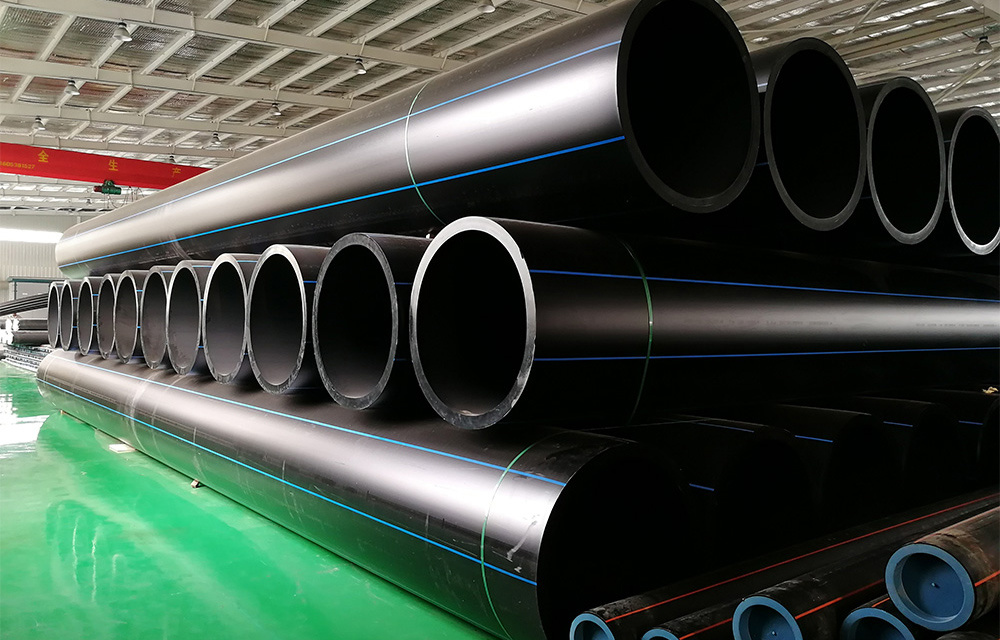
One of the standout features of HDPE pipe is its exceptional durability. These pipes are designed to withstand harsh environmental conditions, including extreme temperatures, soil movement, and corrosive substances. Unlike traditional materials such as metal or PVC, HDPE does not rust or corrode, making it ideal for underground applications.
The Role of HDPE in Extending System Life
In geothermal systems, the longevity of the piping is essential for reducing maintenance costs and enhancing system efficiency. HDPE pipes can last over 50 years when properly installed, significantly outlasting many alternative materials. This longevity translates to fewer repairs and replacements, allowing for more reliable geothermal systems.
Resistance to Environmental Factors
HDPE’s inherent resistance to various environmental factors further solidifies its position as a reliable choice. It can accommodate slight shifts in terrain without compromising its integrity, making it excellent for geothermal applications where ground stability may vary.
2. Cost-Effectiveness Over the Lifecycle
While the initial cost of HDPE pipes may be comparable to other materials, their overall life cycle cost is significantly lower. The durability and reduced maintenance requirements lead to substantial savings over time.
Lower Installation Costs
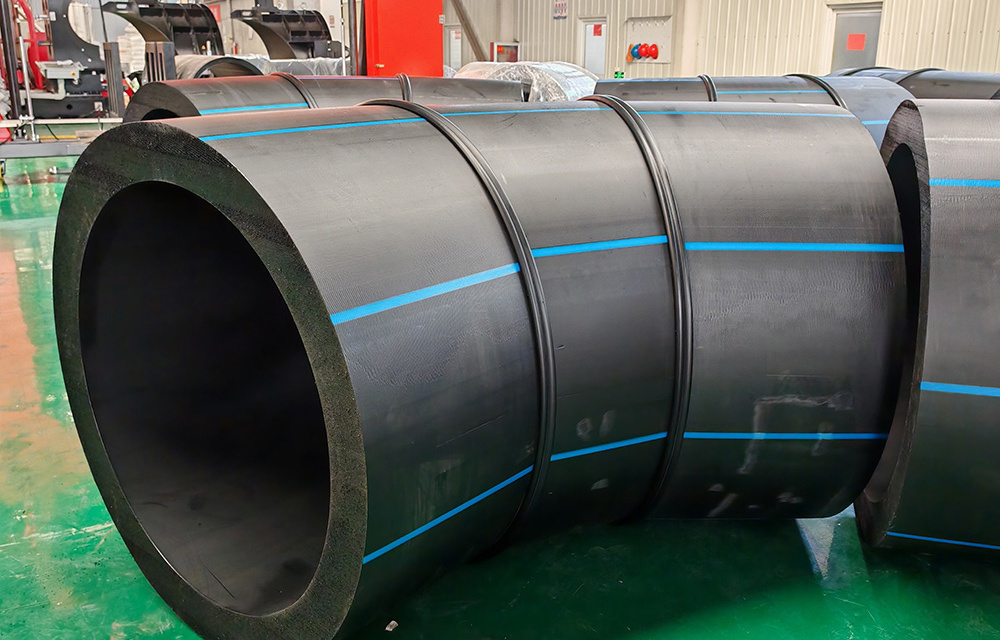
The lightweight nature of HDPE makes it easier and quicker to install than heavier materials. This ease of handling reduces labor costs and can accelerate project timelines. Additionally, the flexibility of HDPE allows for fewer fittings and joints, minimizing potential leak points and installation complexities.
Energy Efficiency in Operation
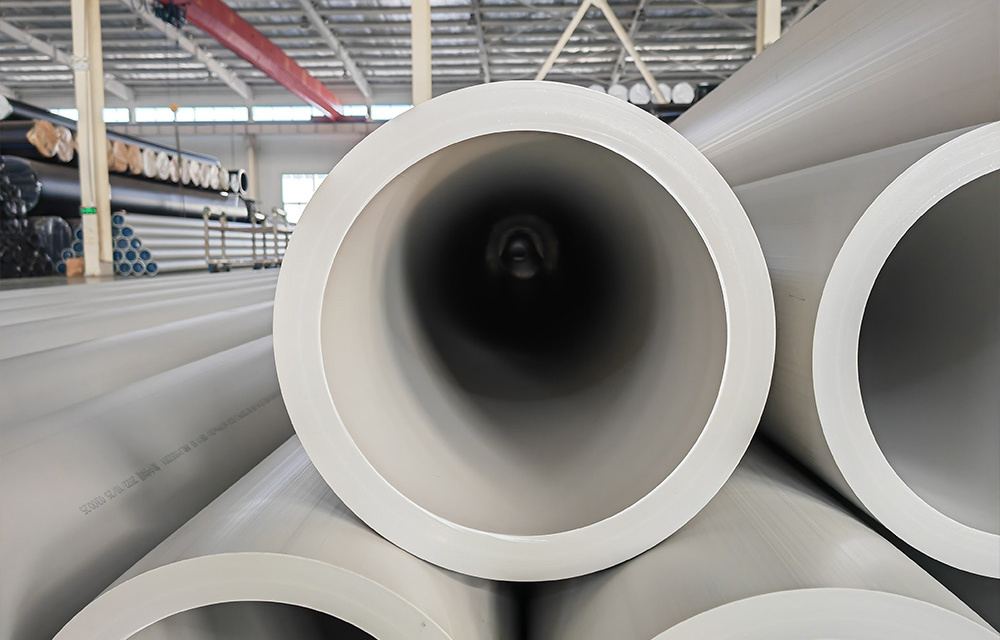
HDPE pipes also enhance the energy efficiency of geothermal systems. Their smooth inner walls minimize friction losses, enabling geothermal systems to operate at optimal efficiency. This efficiency can lead to lower energy bills and a quicker return on investment.
3. Environmentally Friendly Choice
Choosing HDPE pipes for geothermal projects aligns with sustainable practices and environmental stewardship.
Recyclability and Sustainability
HDPE is a recyclable material, reducing the overall environmental impact of geothermal projects. By selecting HDPE, you contribute to a circular economy where materials are reused rather than discarded. This sustainable characteristic is increasingly important as industries strive for greener solutions.
Minimal Environmental Disruption
The installation of HDPE pipes often requires less excavation compared to traditional piping systems, leading to minimal disruption of the surrounding ecosystem. This attribute is particularly beneficial in geothermal applications, as it helps preserve the natural landscape and reduces the carbon footprint of the project.
4. Versatility in Applications
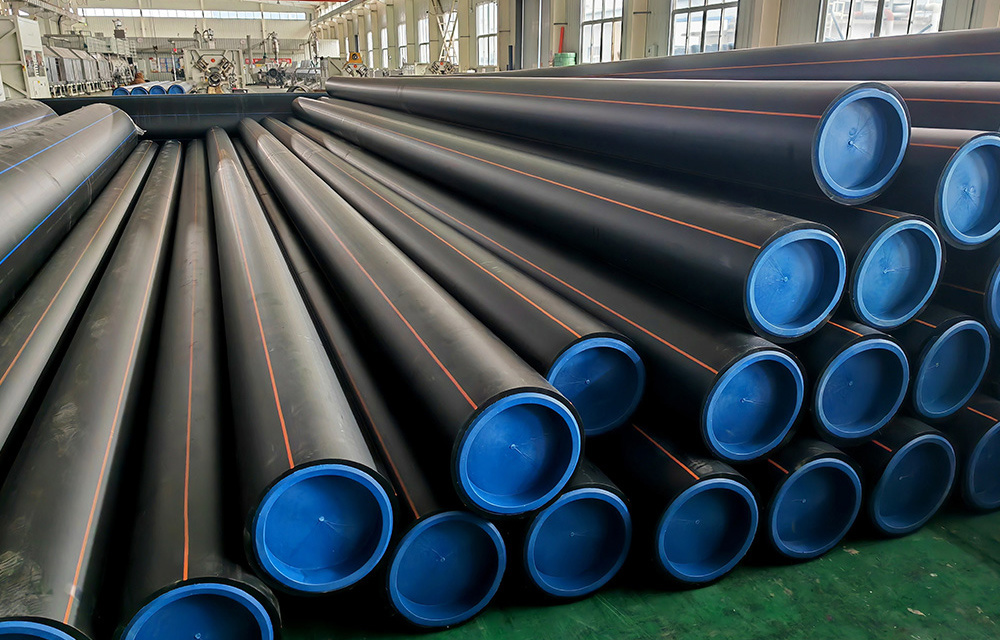
HDPE pipes are incredibly versatile, making them suitable for various geothermal applications, including ground loops, horizontal installations, and vertical wells.
Adaptability to Diverse Project Needs
Whether you are working on residential, commercial, or industrial geothermal systems, HDPE pipes can be adapted to fit specific project requirements. Their flexibility allows for easy bends and configurations, accommodating different site layouts and environmental conditions.
Compatibility with Other Systems
In addition to geothermal systems, HDPE pipes can be integrated with existing infrastructure, making them an ideal choice for retrofitting older systems. This adaptability ensures that projects can be completed efficiently without extensive modifications to current setups.
5. Improved Performance in Heat Transfer
The performance of geothermal systems largely depends on the efficiency of heat transfer. HDPE pipes excel in this area.
Enhanced Thermal Conductivity
While HDPE itself is not the highest thermal conductor, its design facilitates effective heat transfer within geothermal systems. The smooth interior surface allows for optimal fluid flow, enhancing the system's overall efficiency.
Resistance to Scale and Buildup
Unlike some materials that may be prone to scale buildup, HDPE resists the accumulation of deposits, ensuring consistent performance over time. This quality helps maintain the efficiency of geothermal systems, leading to reduced energy consumption and lower operational costs.
Conclusion
In summary, HDPE pipes offer a multitude of advantages for geothermal projects, from exceptional durability and long-term cost-effectiveness to environmental sustainability and versatile applications. By choosing HDPE for your geothermal systems, you are investing in a reliable, efficient, and eco-friendly solution that will serve your needs for decades. As the renewable energy landscape evolves, HDPE will remain a cornerstone material, ensuring that geothermal systems are both effective and sustainable.
Frequently Asked Questions (FAQs)
1. What is HDPE pipe made from?
HDPE (High-Density Polyethylene) pipe is made from a thermoplastic polymer, known for its high strength-to-density ratio, making it suitable for various applications, including geothermal systems.
2. How long do HDPE pipes last?
When installed correctly, HDPE pipes can last over 50 years, significantly reducing the need for repairs or replacements.
3. Can HDPE pipes be recycled?
Yes, HDPE pipes are recyclable, making them an environmentally friendly choice for any project.
4. Are HDPE pipes resistant to chemicals?
HDPE pipes have excellent chemical resistance, allowing them to withstand various substances without corroding or degrading.
5. How do HDPE pipes compare to PVC in geothermal applications?
While both materials have their uses, HDPE pipes are generally more durable, flexible, and resistant to environmental factors compared to PVC, making them a superior choice for geothermal applications.

Customer Service Hotline
Sales Department Email
Website (Web)
Customer Service Email
Business Cooperation Email
Address
No.32 Donghai Road, Cangzhou Development Zone, Hebei Province, China
Company Address
No. 32 Donghai Road, Cangzhou Development Zone, Hebei Province, China