


30
2026
-
01
The Durability of HDPE Pipes in Pipe Jacking Operations: An In-Depth Analysis
The Durability of HDPE Pipes in Pipe Jacking Operations When it comes to pipe jacking operations, **High-Density Polyethylene (HDPE)** pipes have emerged as a true game-changer. Known for their **exceptional durability**, HDPE pipes are increasingly selected for various industrial applications. This article thoroughly examines the durability of HDPE pipes in pipe jacking, emphasizing their perform
The Durability of HDPE Pipes in Pipe Jacking Operations
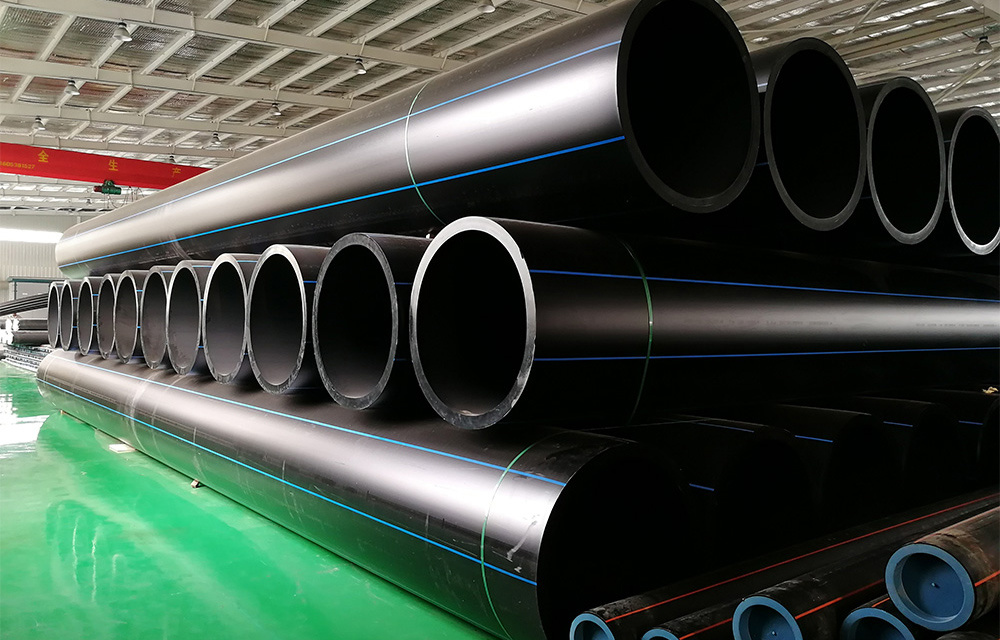
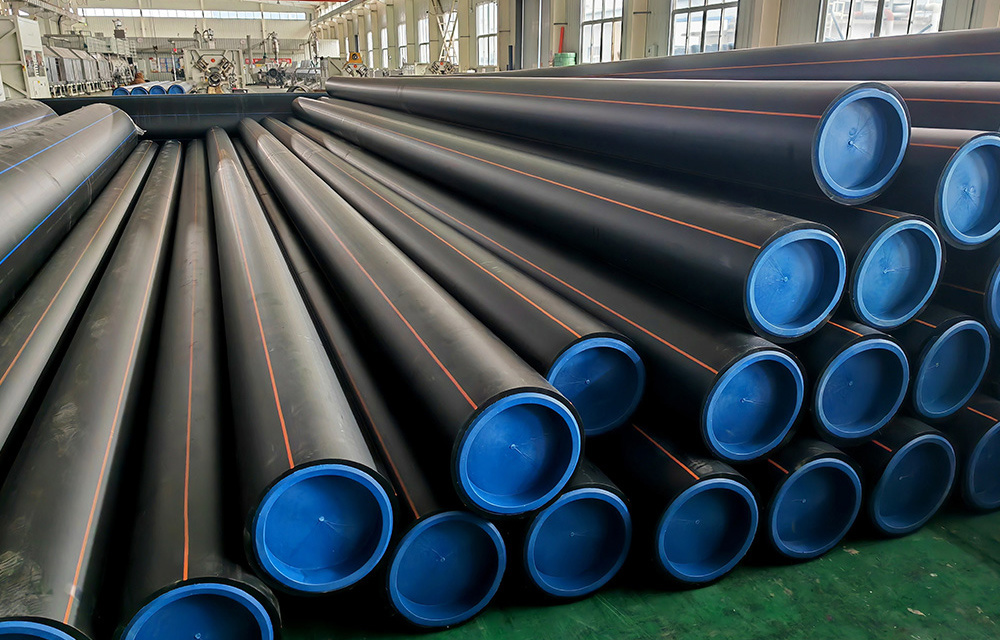
When it comes to pipe jacking operations, **High-Density Polyethylene (HDPE)** pipes have emerged as a true game-changer. Known for their **exceptional durability**, HDPE pipes are increasingly selected for various industrial applications. This article thoroughly examines the durability of HDPE pipes in pipe jacking, emphasizing their performance, benefits, and long-term viability.
Understanding Pipe Jacking Operations
Pipe jacking is a trenchless construction technique used primarily for the installation of underground pipelines. This method involves the use of a hydraulic jacking system that pushes pipes through the ground, minimizing surface disruption and environmental impact.
Key Components of Pipe Jacking
1. **Jacking Frame**: This structure houses the hydraulic jacks and guides the pipe during installation.
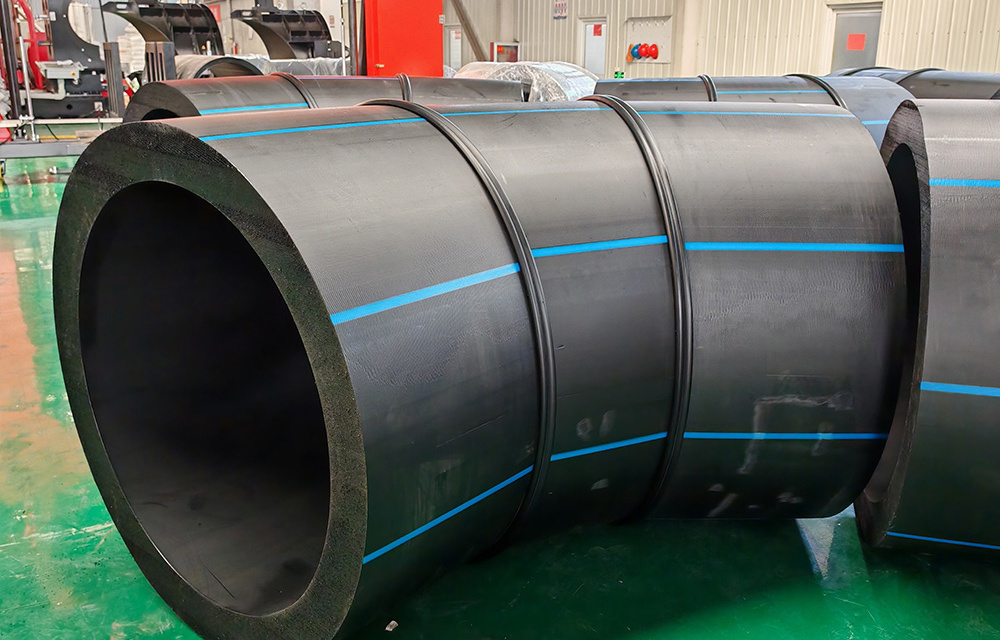
2. **Pipe Sections**: Typically made from materials like HDPE, these sections are designed to withstand significant external pressures.
3. **Boring Machine**: In some cases, a boring machine is employed to create a tunnel before the pipe is jacked into place.
Advantages of Using HDPE Pipes in Pipe Jacking
HDPE pipes offer several advantages in pipe jacking operations:
- **Corrosion Resistance**: Unlike traditional materials, HDPE is resistant to corrosion, ensuring longevity even in harsh environments.
- **Lightweight**: The lightweight nature of HDPE makes handling and transportation easier, reducing labor costs.
- **Flexibility**: HDPE can withstand significant deformation without cracking, making it suitable for varying geological conditions.
The Science Behind HDPE Durability
To understand the durability of HDPE pipes, we must delve into their **material properties** and how they affect performance during pipe jacking operations.
Material Properties of HDPE
HDPE is a thermoplastic polymer characterized by:
- **High Molecular Weight**: This feature contributes to its strength and toughness.
- **Low Density**: The low density of HDPE results in a lightweight product that is easy to handle.
- **Elasticity**: HDPE maintains its shape under stress, allowing for flexibility during installation.
Environmental Resistance
HDPE pipes exhibit excellent resistance to environmental factors, including:
- **Chemical Resistance**: Resistant to many chemicals, HDPE is ideal for transporting various substances without degradation.
- **UV Resistance**: Though HDPE can degrade under prolonged UV exposure, protective coatings can extend its lifespan significantly.
Performance Factors Influencing Durability
Several **performance factors** determine the durability of HDPE pipes in pipe jacking operations.
Pressure and Load Capacity
HDPE pipes are designed to handle high internal and external pressures. Their resistance to deformation under load is crucial in ensuring the integrity of the pipe during and after installation.
Impact Resistance
The ability of HDPE to absorb impacts without cracking is a critical aspect of its durability. This characteristic makes HDPE pipes suitable for areas with high traffic or potential collision hazards.
Best Practices for Using HDPE Pipes in Pipe Jacking Projects
To maximize the durability and performance of HDPE pipes in pipe jacking, several best practices should be followed.
Proper Selection of Pipe Dimensions
Choosing the appropriate diameter and wall thickness for HDPE pipes is essential. Factors such as soil type, depth of installation, and expected load should influence these choices.
Installation Techniques
Employing skilled operators and adhering to recommended installation techniques can significantly reduce the risk of damage during jacking operations.
Maintenance and Longevity of HDPE Pipes
While HDPE pipes are known for their durability, regular maintenance can further extend their lifespan.
Routine Inspections
Conducting periodic inspections can help detect potential issues early. Look for signs of wear, leaks, or deformation.
Cleaning and Rehabilitation
Cleaning HDPE pipes can also enhance their performance. Various techniques, including hydro jetting and robotic cleaning, can remove buildup and ensure smooth operation.
Case Studies Demonstrating Durability of HDPE Pipes
Numerous case studies highlight the effectiveness of HDPE pipes in pipe jacking operations.
Infrastructure Projects
In several urban infrastructure projects, HDPE pipes have successfully withstood pressures and stresses that would compromise other materials. These real-world applications demonstrate their ability to maintain performance over time.
Long-Term Studies
Long-term studies have shown that HDPE pipes can last over 50 years in various applications. Such longevity is a testament to their durability and reliability.
The Future of HDPE Pipes in Pipe Jacking Operations
As technology advances, the manufacturing processes for HDPE pipes continue to improve, leading to even more durable and efficient products. Research into enhancing properties such as UV resistance and impact tolerance promises to make HDPE the go-to material for future pipe jacking projects.
Innovative Applications
Emerging technologies, such as **smart sensors**, are being integrated into HDPE pipes to monitor conditions and predict maintenance needs, further enhancing their reliability.
Frequently Asked Questions (FAQs)
1. What are HDPE pipes made of?
HDPE pipes are composed of high-density polyethylene, a thermoplastic polymer known for its strength and durability.
2. How long do HDPE pipes last?
With proper installation and maintenance, HDPE pipes can last over 50 years.
3. Are HDPE pipes environmentally friendly?
Yes, HDPE pipes are recyclable and have a lower environmental impact compared to traditional materials.
4. How are HDPE pipes installed in pipe jacking operations?
HDPE pipes are pushed through the ground using a hydraulic jacking system, minimizing surface disruption.
5. Can HDPE pipes withstand high pressures?
Yes, HDPE pipes are designed to handle high internal and external pressures, making them suitable for various applications.
Conclusion
The durability of **HDPE pipes** in pipe jacking operations is undeniable. Their unique properties, including corrosion resistance, impact durability, and flexibility, make them a superior choice for modern infrastructure projects. By adhering to best practices in selection, installation, and maintenance, we can ensure the longevity and effectiveness of HDPE pipes, paving the way for sustainable and efficient engineering solutions in the years to come.

Customer Service Hotline
Sales Department Email
Website (Web)
Customer Service Email
Business Cooperation Email
Address
No.32 Donghai Road, Cangzhou Development Zone, Hebei Province, China
Company Address
No. 32 Donghai Road, Cangzhou Development Zone, Hebei Province, China