


22
2026
-
01
Innovations in HDPE Pipe for Pipe Jacking: Enhancing Efficiency and Durability
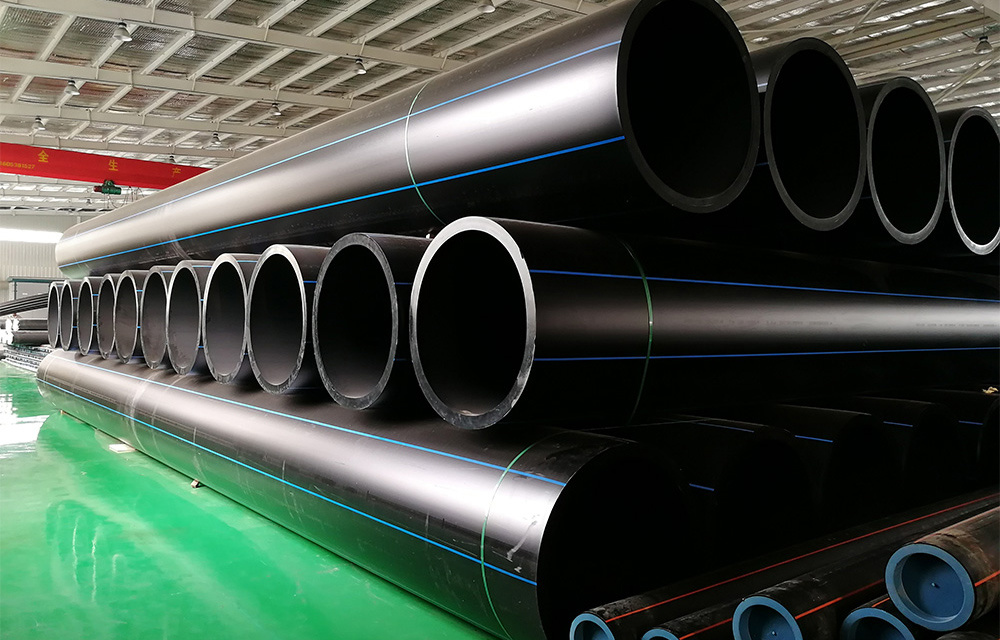
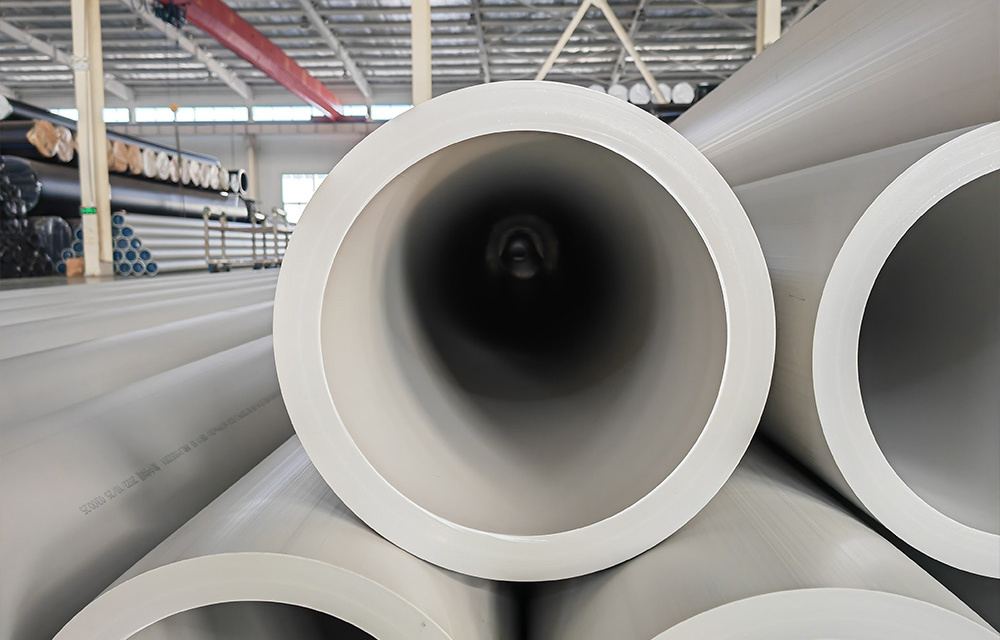
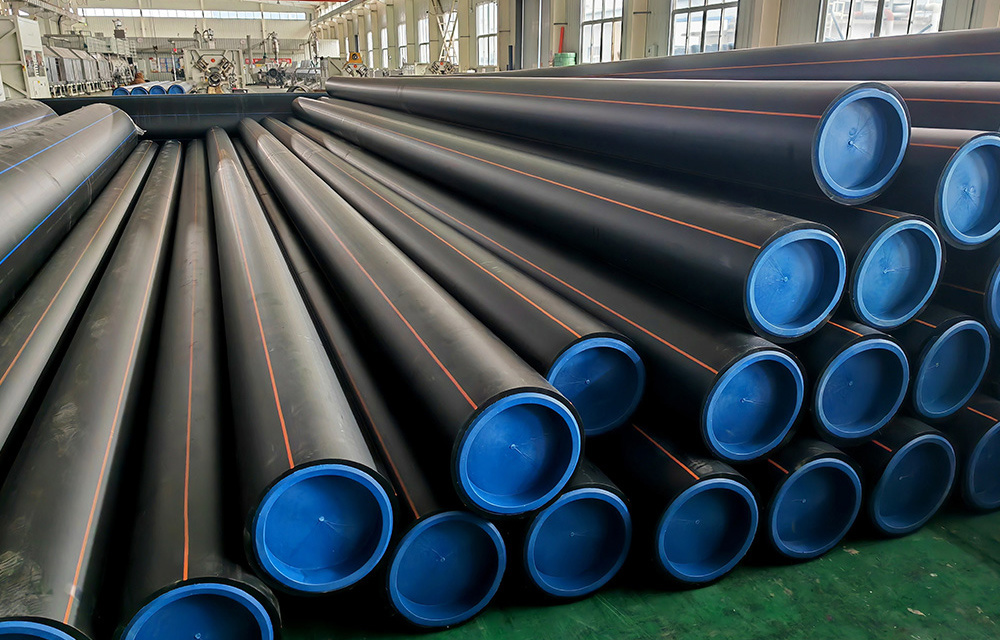
In the realm of industrial equipment and components, particularly within the pipeline sector, High-Density Polyethylene (HDPE) pipes have emerged as a pivotal material for pipe jacking applications. Pipe jacking is a trenchless construction method employed for the installation of pipelines beneath existing infrastructure, minimizing surface disruption and providing a streamlined approach to infras
One of the primary advantages of HDPE pipes in pipe jacking is their exceptional flexibility and strength. Unlike traditional materials such as concrete or steel, HDPE offers a high degree of resistance to deformation, which is crucial during the jacking process. This flexibility allows the pipes to withstand the stresses induced by soil movement and changes in load conditions, ultimately leading to a lower risk of damage during installation.
Moreover, HDPE pipes exhibit outstanding resistance to corrosion and chemical damage, which significantly enhances their longevity in various environments. This characteristic is particularly relevant when jacking through areas with aggressive soil conditions or contaminated sites, as traditional materials may succumb to corrosion over time. By utilizing HDPE, operators can ensure that the pipeline remains functional and safe for an extended period, thereby reducing maintenance costs and the need for premature replacements.
The lightweight nature of HDPE pipes also contributes to their efficiency during installation. Their reduced weight compared to alternatives allows for easier handling, transportation, and installation processes. This can lead to shorter project timelines and lower labor costs, making HDPE pipes an attractive option for contractors focused on optimizing efficiency in their operations.
In addition to their mechanical properties, HDPE pipes are also environmentally friendly. They are fully recyclable, which aligns with the growing emphasis on sustainability within the construction industry. Utilizing HDPE in pipe jacking not only addresses practical engineering needs but also promotes a responsible approach to resource use, appealing to environmentally conscious stakeholders.
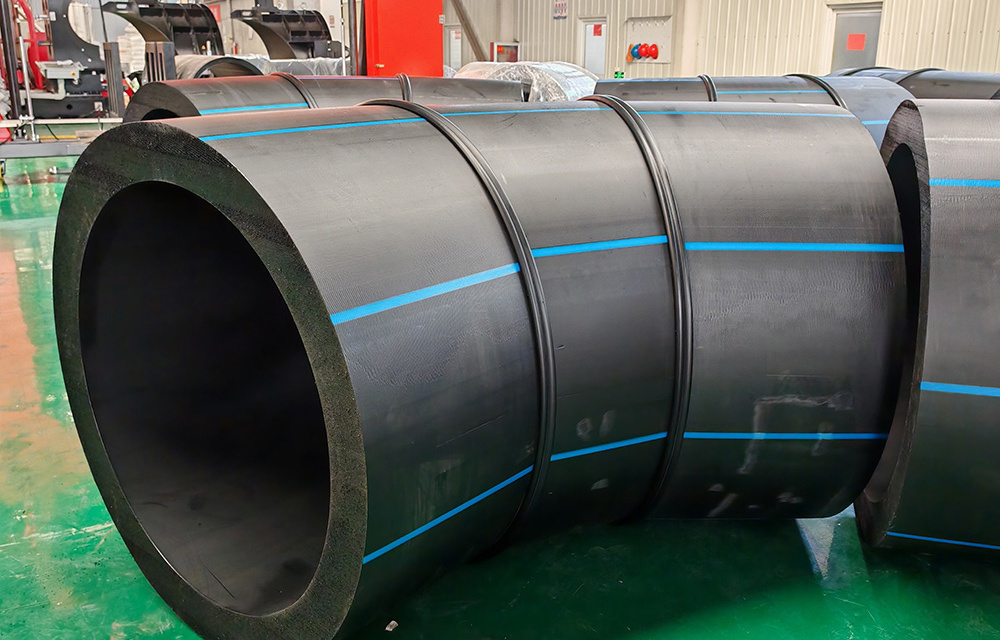
Furthermore, advancements in technology have led to the development of specialized fittings and joints for HDPE pipes, enhancing their suitability for pipe jacking operations. These innovations ensure a secure and leak-proof connection between pipes, which is essential for maintaining the integrity of the system and preventing environmental contamination.
In summary, the adoption of HDPE pipes for pipe jacking is a testament to modern engineering practices aimed at improving construction efficiency, enhancing pipeline durability, and promoting sustainability. As industries continue to evolve, the role of HDPE in trenchless technologies will likely expand, making it a vital consideration for professionals in the pipeline sector. By understanding its benefits and applications, stakeholders can make informed decisions that align with both operational goals and environmental responsibility.

Customer Service Hotline
Sales Department Email
Website (Web)
Customer Service Email
Business Cooperation Email
Address
No.32 Donghai Road, Cangzhou Development Zone, Hebei Province, China
Company Address
No. 32 Donghai Road, Cangzhou Development Zone, Hebei Province, China