


21
2026
-
01
The Benefits of Using HDPE Pipe for Leachate Collection Systems: A Comprehensive Guide
The Benefits of Using HDPE Pipe for Leachate Collection Systems Table of Contents Introduction to Leachate Collection Systems What is HDPE Pipe? Properties of HDPE Pipe Advantages of Using HDPE Pipe Durability and Longevity Corrosion Resistance Flexibility and Ease of Installation Cost-Effectiv
The Benefits of Using HDPE Pipe for Leachate Collection Systems
Table of Contents
- Introduction to Leachate Collection Systems
- What is HDPE Pipe?
- Advantages of Using HDPE Pipe
- Durability and Longevity
- Corrosion Resistance
- Flexibility and Ease of Installation
- Cost-Effectiveness
- Installation Techniques for HDPE Pipes
- Maintenance Practices for HDPE Leachate Systems
- Environmental Benefits of HDPE Pipes
- Case Studies: Successful Implementation of HDPE Pipes
- Frequently Asked Questions
- Conclusion
Introduction to Leachate Collection Systems
Leachate collection systems play a crucial role in managing waste and protecting the environment. These systems are designed to capture and transport leachate, the liquid that drains or leaches from a solid waste disposal site, which can be highly contaminated. The efficient management of leachate is essential for preventing groundwater contamination and mitigating environmental risks. Among various options available for constructing leachate collection systems, High-Density Polyethylene (HDPE) pipes stand out for their unique advantages.
What is HDPE Pipe?
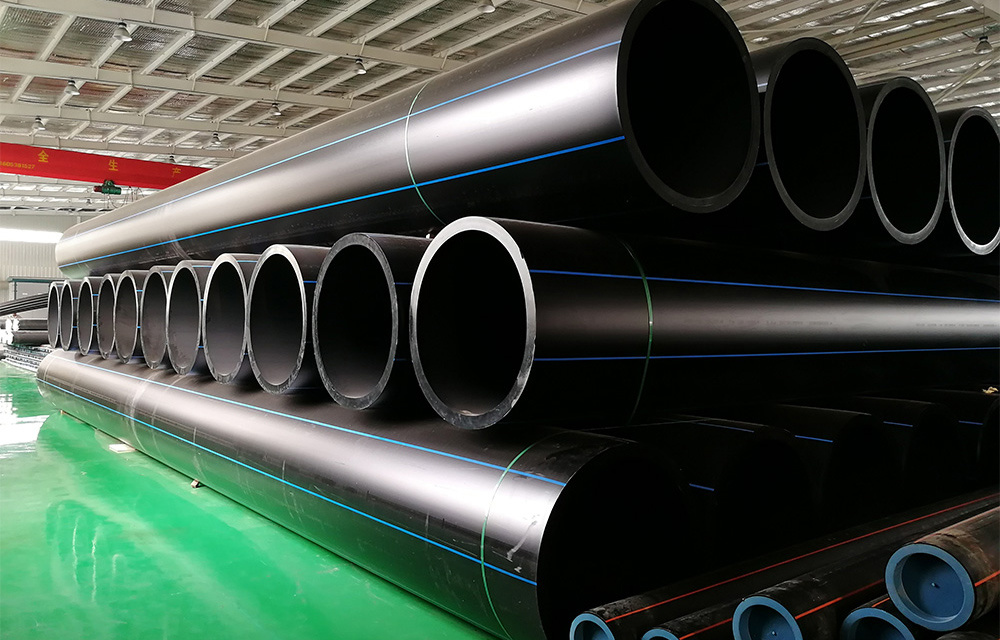
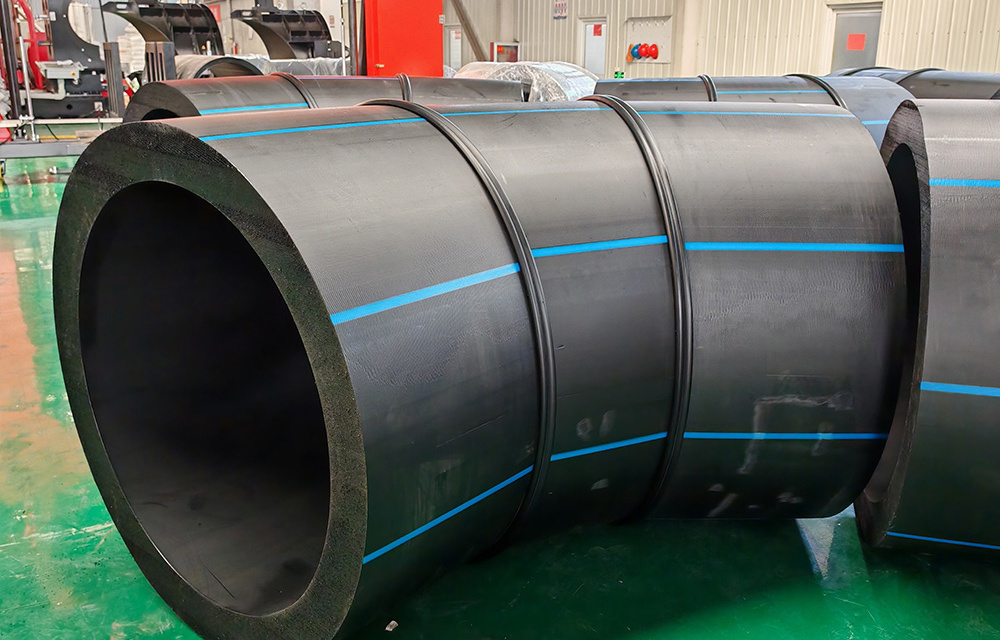
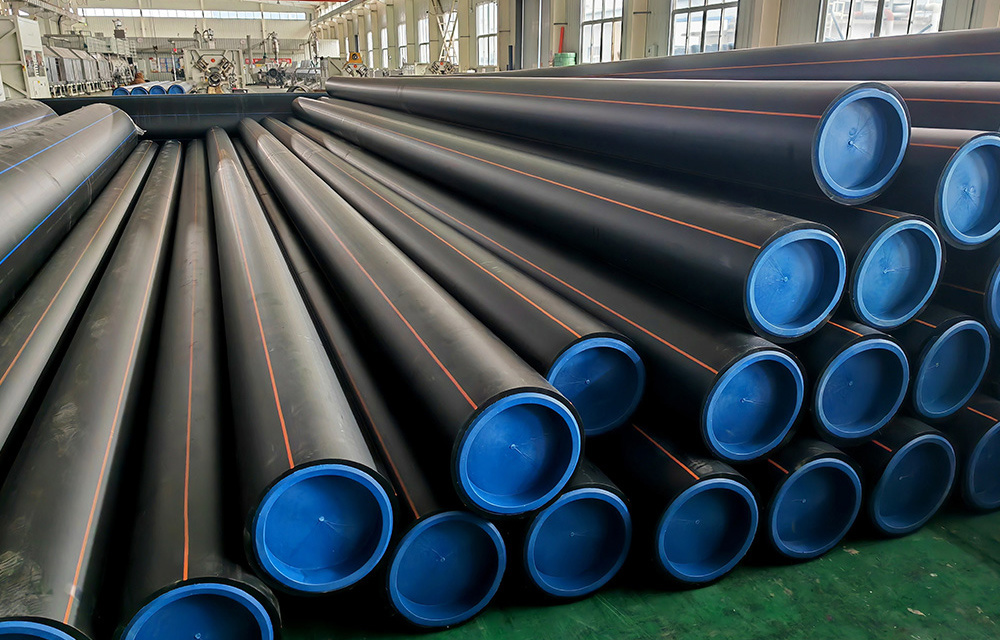
High-Density Polyethylene (HDPE) pipe is a thermoplastic piping material known for its high strength-to-density ratio. This material is widely used in various industries due to its excellent performance characteristics.
Properties of HDPE Pipe
HDPE pipes exhibit a range of beneficial properties, including:
- **Chemical Resistance**: HDPE is resistant to a wide variety of chemicals, making it ideal for leachate applications.
- **Temperature Tolerance**: HDPE can withstand a broad temperature range without losing structural integrity.
- **Lightweight**: Compared to traditional materials, HDPE is lightweight, which simplifies transportation and installation.
- **Low Friction Coefficient**: This feature allows for efficient flow rates and reduces the likelihood of clogs.
Advantages of Using HDPE Pipe
The use of HDPE pipes in leachate collection systems offers numerous advantages.
Durability and Longevity
HDPE pipes are designed to last for decades, often exceeding a 50-year lifespan. Their robust structure can withstand extreme weather conditions, making them suitable for various geographical locations. This durability translates into reduced replacement costs and lower overall maintenance requirements.
Corrosion Resistance
Unlike traditional metal pipes that corrode over time when exposed to harsh chemicals typically found in leachate, HDPE pipes are resistant to corrosion. This characteristic is vital for maintaining the integrity of the leachate collection system and ensuring long-term functionality.
Flexibility and Ease of Installation
The flexibility of HDPE allows it to be easily maneuvered during installation, even in challenging terrains. This adaptability can lead to quicker installation times and reduced labor costs. Additionally, the lightweight nature of HDPE pipes makes them easier to handle compared to traditional piping materials.
Cost-Effectiveness
While the initial material cost of HDPE pipes may be competitive, the real savings come from their long lifespan, low maintenance needs, and reduced installation costs. Over time, using HDPE pipes can translate into significant financial benefits for municipalities and waste management facilities.
Installation Techniques for HDPE Pipes
Proper installation is crucial for the efficiency of leachate collection systems. Below are key techniques and considerations for installing HDPE pipes:
- **Trenching**: Excavate trenches to the appropriate depth and width for the HDPE pipes, ensuring that the trench bottom is smooth and free of debris.
- **Jointing Methods**: Use fusion welding for connecting HDPE pipes, ensuring a strong and leak-proof joint. This method involves heating the pipe ends until they melt and then pressing them together to form a bond.
- **Testing**: After installation, conduct pressure tests to verify the integrity of the system and ensure there are no leaks.
Maintenance Practices for HDPE Leachate Systems
Although HDPE pipes require minimal maintenance, regular inspections and maintenance practices are essential to ensure optimal performance:
- **Routine Inspections**: Schedule periodic inspections to check for clogs and maintain flow efficiency.
- **Cleaning**: Implement cleaning protocols to remove any sediment buildup within the pipes to prevent blockages.
- **Monitoring Leachate Quality**: Regularly test the leachate to ensure it remains within acceptable parameters, allowing for timely intervention if issues arise.
Environmental Benefits of HDPE Pipes
Utilizing HDPE pipes in leachate collection systems not only benefits operational efficiency but also offers significant environmental advantages:
- **Reduced Environmental Impact**: HDPE pipes minimize the risk of leachate contamination, protecting groundwater and surrounding ecosystems.
- **Sustainable Material**: HDPE is recyclable, contributing to a circular economy and reducing waste in landfills.
- **Lower Carbon Footprint**: The production and transportation of HDPE pipes require less energy compared to traditional materials, resulting in a lower overall carbon footprint.
Case Studies: Successful Implementation of HDPE Pipes
Several municipalities and waste management facilities have successfully implemented HDPE pipes in their leachate collection systems. Below are a few notable examples:
1. **City A**: Implemented HDPE pipes in their new landfill site, resulting in a significant reduction in leachate management costs and improved system reliability.
2. **Facility B**: Transitioned from metal piping to HDPE and reported a 25% decrease in maintenance expenses over five years.
3. **Region C**: Adopted HDPE for their comprehensive leachate management plan, leading to enhanced environmental protection and compliance with regulatory requirements.
Frequently Asked Questions
1. What is the lifespan of HDPE pipes?
HDPE pipes can last more than 50 years under normal operating conditions, making them a long-term investment for leachate collection systems.
2. Are HDPE pipes environmentally friendly?
Yes, HDPE pipes are recyclable and reduce the risk of environmental contamination, contributing to more sustainable waste management practices.
3. How do I install HDPE pipes?
HDPE pipes should be installed using proper jointing techniques, such as fusion welding, and require routine inspections to ensure efficiency.
4. What maintenance is required for HDPE pipes?
Regular inspections and cleaning will prevent clogs and maintain optimal flow rates in leachate collection systems.
5. Can HDPE pipes handle high temperatures?
HDPE pipes can withstand a broad temperature range, making them suitable for various environmental conditions.
Conclusion
The implementation of HDPE pipes in leachate collection systems offers numerous benefits, including durability, corrosion resistance, flexibility, and cost-effectiveness. These advantages make HDPE the preferred choice for effective waste management and environmental protection. By adopting HDPE pipes, municipalities and waste management facilities can enhance their leachate management strategies, ensuring sustainability and compliance with regulatory standards. As environmental challenges continue to grow, the importance of efficient and reliable leachate collection systems cannot be overstated.

Customer Service Hotline
Sales Department Email
Website (Web)
Customer Service Email
Business Cooperation Email
Address
No.32 Donghai Road, Cangzhou Development Zone, Hebei Province, China
Company Address
No. 32 Donghai Road, Cangzhou Development Zone, Hebei Province, China