


23
2026
-
01
Innovative Uses of PPH Hot Melt Pipe Fittings in Modern Architecture
Innovative Uses of PPH Hot Melt Pipe Fittings in Modern Architecture In the ever-evolving world of architecture and construction, efficiency, sustainability, and durability are more crucial than ever. One of the significant advancements in plumbing and piping systems is the introduction of PPH (Polypropylene Homopolymer) hot melt pipe fittings. These fittings are becoming increasingly popular du
Innovative Uses of PPH Hot Melt Pipe Fittings in Modern Architecture
In the ever-evolving world of architecture and construction, efficiency, sustainability, and durability are more crucial than ever. One of the significant advancements in plumbing and piping systems is the introduction of PPH (Polypropylene Homopolymer) hot melt pipe fittings. These fittings are becoming increasingly popular due to their unique properties and numerous applications in modern architectural designs. In this article, we will explore the innovative uses of PPH hot melt pipe fittings and how they are shaping the future of architecture.
Table of Contents
- Understanding PPH Hot Melt Pipe Fittings
- Benefits of PPH Pipe Fittings in Architecture
- Sustainable Design Practices with PPH Fittings
- Innovative Applications of PPH Pipe Fittings
- Installation and Maintenance Advantages
- Case Studies Showcasing PPH Fittings
- Future Trends in Architecture and PPH Fittings
- Frequently Asked Questions
- Conclusion
Understanding PPH Hot Melt Pipe Fittings
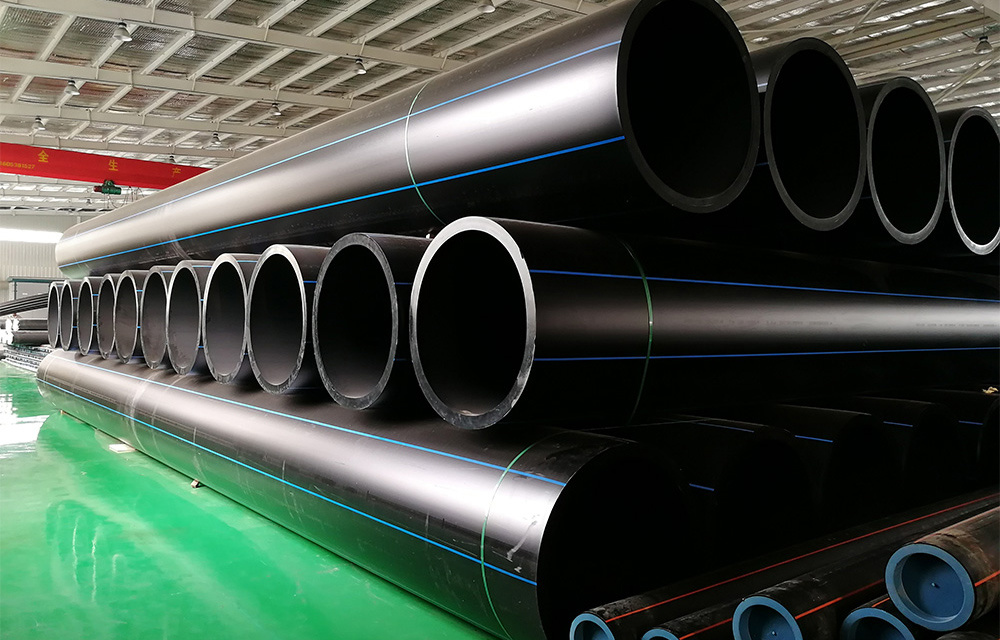
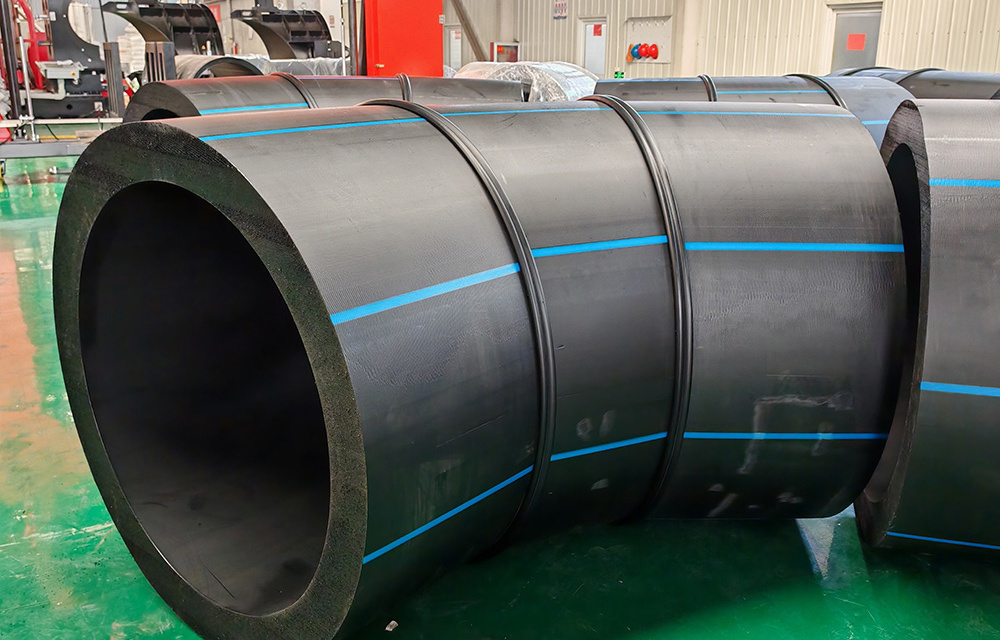
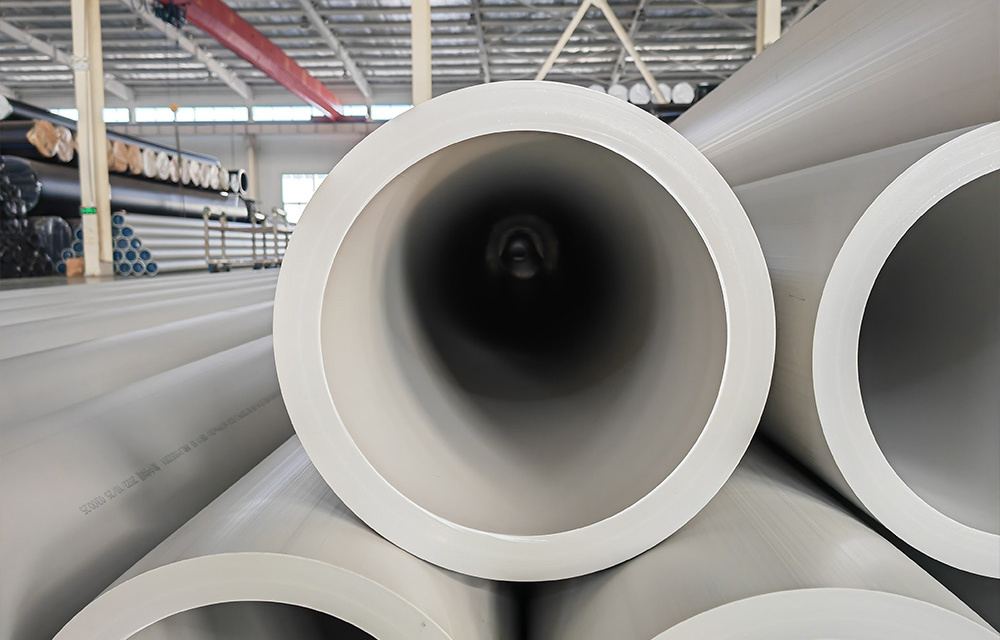
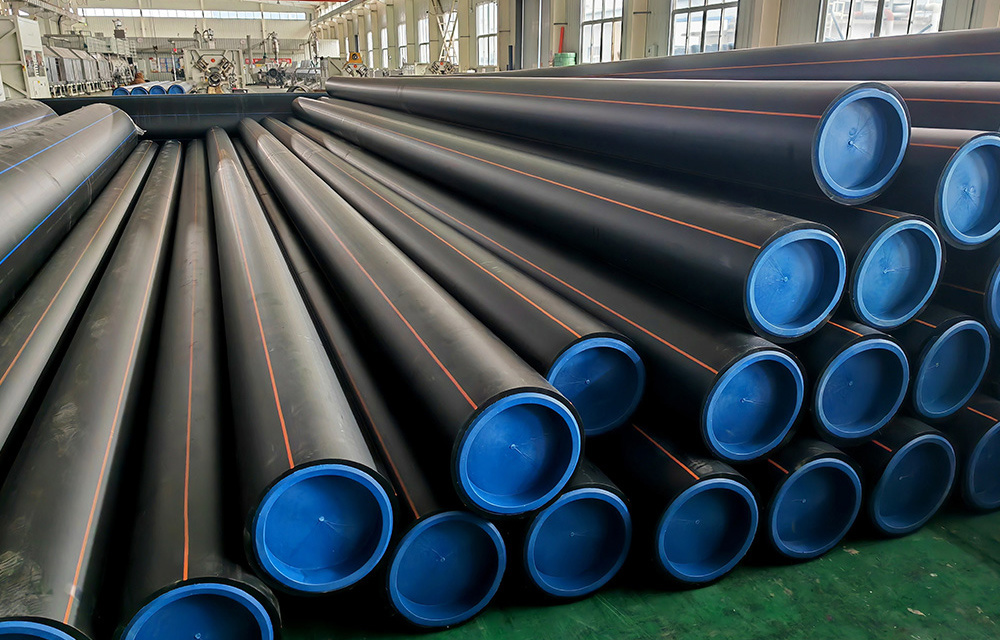
PPH hot melt pipe fittings are manufactured from polypropylene, a thermoplastic polymer known for its lightweight, strong, and resistant properties. These fittings are produced through a hot melt process, allowing seamless connections that are highly secure and durable. Unlike traditional fittings, PPH hot melt fittings offer excellent resistance to chemicals, corrosion, and temperature fluctuations, making them an ideal choice for modern plumbing systems.
The Composition of PPH
PPH is a type of polypropylene that is known for its high crystalline structure, enhancing its strength and rigidity. This material is non-toxic and eco-friendly, contributing to sustainable building practices. By understanding the composition of PPH, architects and builders can make informed decisions about its applications in structures.
Manufacturing Process
The hot melt manufacturing process involves heating polypropylene to a pliable state, allowing it to be molded into various shapes and sizes. This method ensures a high degree of precision and quality control, enabling the creation of fittings that meet stringent industry standards. The resulting fittings are lightweight yet robust, can be easily installed, and require minimal maintenance.
Benefits of PPH Pipe Fittings in Architecture
The integration of PPH hot melt pipe fittings into architectural designs offers numerous advantages:
Durability and Longevity
PPH fittings are known for their exceptional durability. They resist rust, corrosion, and chemical damage, ensuring they can withstand harsh environmental conditions and last for decades without requiring replacement. This longevity translates into cost savings for builders and property owners alike.
Lightweight Design
The lightweight nature of PPH fittings allows for easier handling and transportation, reducing labor costs during installation. Architects can also design structures with less emphasis on load-bearing capabilities, allowing for greater flexibility in design.
Thermal Resistance
PPH fittings can withstand high temperatures, making them suitable for hot water applications. This resistance to thermal expansion and contraction minimizes the risk of leaks and failures in plumbing systems.
Sustainable Design Practices with PPH Fittings
As the architectural industry increasingly prioritizes sustainability, PPH hot melt pipe fittings contribute to environmentally friendly practices:
Recyclability
PPH is fully recyclable, which aligns with the growing emphasis on reducing waste and promoting circular economy principles. When PPH pipe fittings reach the end of their life cycle, they can be reprocessed to create new products, minimizing environmental impact.
Reduced Energy Consumption
The lightweight design of PPH fittings reduces energy consumption during transport and installation. Additionally, their excellent insulation properties help maintain desired temperatures within plumbing systems, leading to reduced energy costs for heating and cooling.
Eco-Friendly Manufacturing
The manufacturing process of PPH fittings generates fewer emissions compared to traditional materials, contributing to a lower carbon footprint. By choosing PPH, architects support environmentally responsible production practices.
Innovative Applications of PPH Pipe Fittings
The versatility of PPH hot melt pipe fittings allows for various innovative applications in modern architecture:
Water Supply Systems
PPH fittings are ideal for use in water supply systems due to their resistance to corrosion and chemicals. They can handle potable water applications, ensuring safe and clean water delivery in residential and commercial buildings.
HVAC Systems
In heating, ventilation, and air conditioning systems, PPH fittings provide efficient connections for both hot and cold water lines. Their thermal resistance ensures reliable performance, reducing the risk of system failures and inefficiencies.
Industrial Applications
PPH fittings are extensively used in industrial settings, particularly in chemical processing plants, where resistance to corrosive substances is critical. Their ability to withstand harsh chemicals without degrading makes them a preferred choice for manufacturers.
Installation and Maintenance Advantages
Architects and builders appreciate the easy installation and low maintenance requirements associated with PPH hot melt pipe fittings:
Simplified Installation Process
PPH fittings can be joined using various methods, including hot melt welding, which creates strong, leak-proof connections. This simplifies the installation process, allowing for quicker project completion and reducing labor costs.
Low Maintenance Requirements
Once installed, PPH pipe fittings require minimal maintenance. Their durability ensures that they do not corrode or degrade over time, leading to fewer repairs and replacements, ultimately saving money for property owners.
Case Studies Showcasing PPH Fittings
Real-world examples highlight the innovative uses of PPH hot melt pipe fittings:
Case Study 1: Eco-Friendly Residential Development
A recent residential project integrated PPH fittings into its plumbing and HVAC systems, resulting in significant energy savings and reduced carbon emissions. The lightweight nature of the fittings allowed for faster installation, and the durable materials ensured longevity.
Case Study 2: Chemical Processing Facility
In a chemical processing facility, PPH fittings were utilized to create a network of piping systems resistant to harsh chemicals. The project demonstrated the fittings' ability to withstand extreme conditions while maintaining efficiency and safety.
Future Trends in Architecture and PPH Fittings
The future of architecture is bright with the continued innovation and application of PPH hot melt pipe fittings:
Integration with Smart Technologies
As smart home technologies become more prevalent, PPH fittings will play a role in smart plumbing systems that monitor water usage and detect leaks in real-time, providing added efficiency and sustainability.
Increased Adoption in Green Buildings
With a growing focus on green building certifications, PPH fittings will likely see increased adoption in environmentally friendly construction practices, emphasizing their benefits for sustainability and efficiency.
Frequently Asked Questions
1. What are the primary benefits of PPH hot melt pipe fittings?
PPH hot melt pipe fittings offer durability, lightweight design, thermal resistance, and recyclability, making them ideal for various applications in modern architecture.
2. How do PPH fittings compare to traditional pipe fittings?
PPH fittings are more resistant to corrosion, chemicals, and temperature changes compared to traditional materials, leading to longer lifespan and lower maintenance costs.
3. Are PPH pipe fittings easy to install?
Yes, PPH fittings are designed for easy installation using various joining methods, including hot melt welding, which simplifies the installation process significantly.
4. Can PPH fittings be used for potable water systems?
Yes, PPH fittings are safe for use in potable water systems due to their non-toxic properties and resistance to chemical leaching.
5. What are the future prospects for PPH hot melt pipe fittings?
Future trends suggest increased integration with smart home technologies and greater adoption in green building practices, further enhancing their viability in modern architecture.
Conclusion
PPH hot melt pipe fittings have emerged as a revolutionary component in modern architecture, offering numerous benefits that enhance sustainability, efficiency, and durability in building designs. Their unique properties, ease of installation, and innovative applications make them an essential choice for architects and builders aiming to create environmentally friendly and long-lasting structures. As the industry continues to evolve, the role of PPH fittings in shaping the future of architecture is undeniable, paving the way for smarter and more sustainable construction practices.

Customer Service Hotline
Sales Department Email
Website (Web)
Customer Service Email
Business Cooperation Email
Address
No.32 Donghai Road, Cangzhou Development Zone, Hebei Province, China
Company Address
No. 32 Donghai Road, Cangzhou Development Zone, Hebei Province, China