


20
2026
-
01
Exploring the Benefits of HDPE Pipes in Geothermal Systems
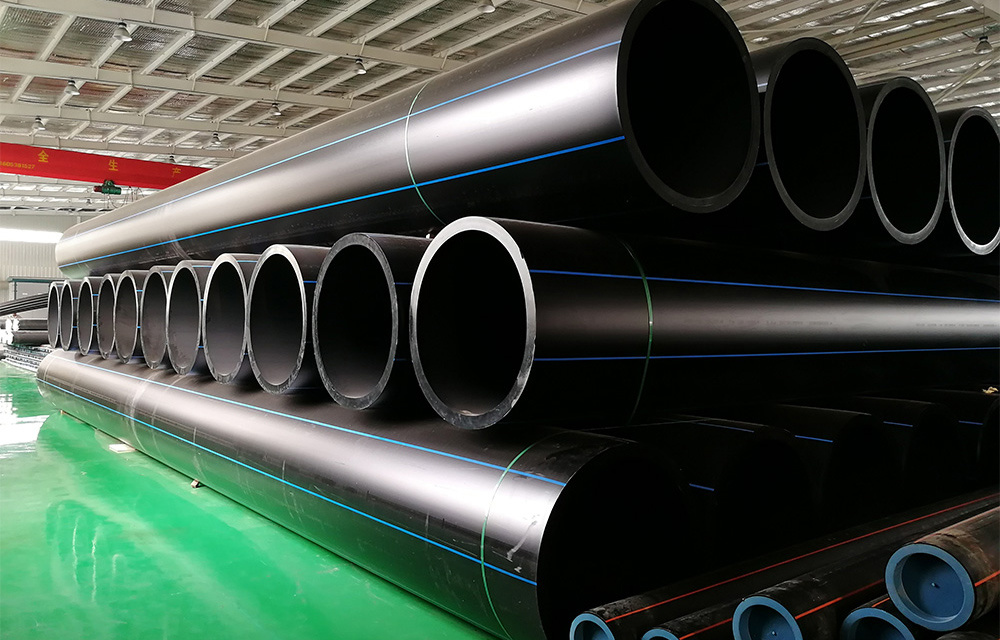
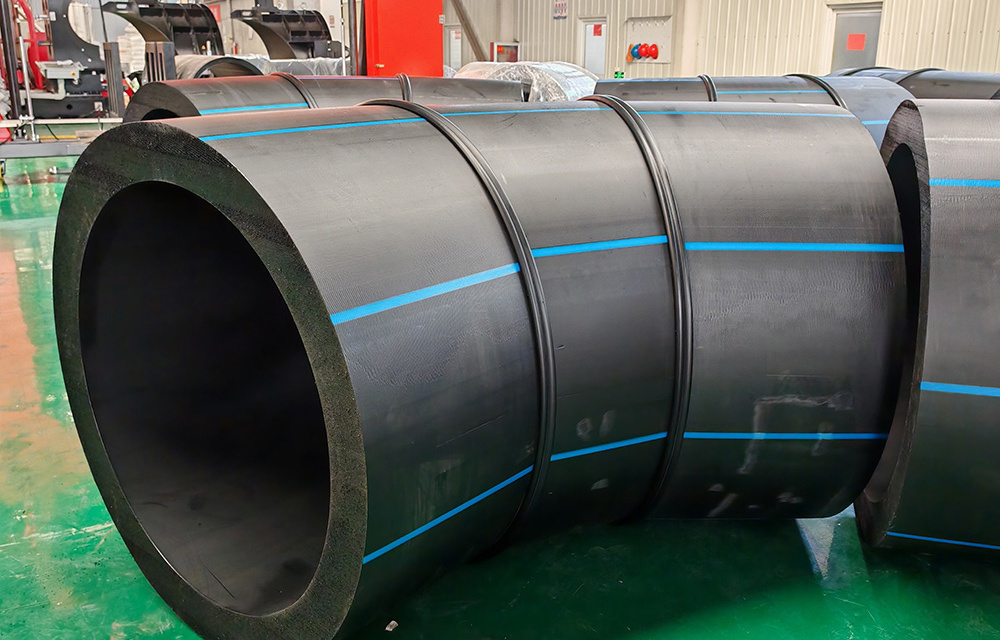
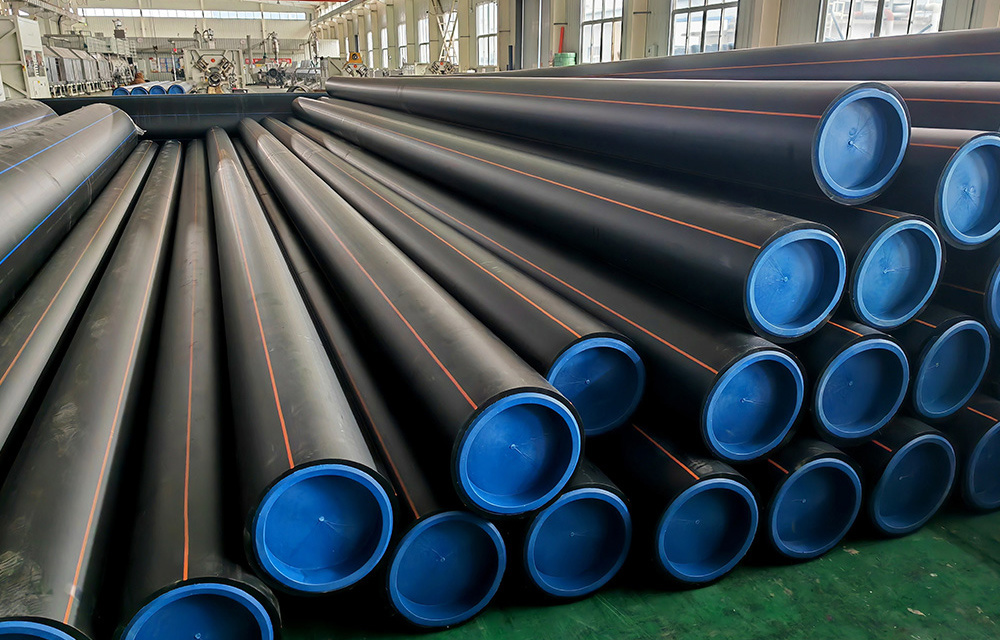
HDPE (High-Density Polyethylene) pipes have gained significant traction in geothermal systems due to their unique properties that enhance performance and efficiency. As industries increasingly turn to renewable energy sources, the use of HDPE pipes in geothermal applications stands out as a sustainable and effective solution. One of the primary advantages of HDPE pipes is their exceptional resista
One of the primary advantages of HDPE pipes is their exceptional resistance to corrosion and chemical damage. Unlike traditional materials such as metal or concrete, HDPE is not susceptible to rust or degradation from soil chemicals. This attribute ensures a longer lifespan for the piping system, reducing the need for frequent replacements and maintenance. In geothermal systems, where pipes are often buried underground and exposed to various environmental conditions, the durability of HDPE becomes a critical factor in ensuring operational efficiency.
Another significant benefit of HDPE pipes is their flexibility, which simplifies the installation process. Geothermal systems often require complex layouts and pathways to access geothermal energy effectively. HDPE’s flexibility allows for easier bends and curves without compromising the integrity of the system. This adaptability not only speeds up installation time but also minimizes the potential for leaks that can occur with more rigid piping materials.
Furthermore, HDPE pipes are lightweight, making them easier to transport and handle on-site. Reduced weight means lower transportation costs and decreased labor efforts during installation. The ease of handling also contributes to a safer work environment, as workers are less likely to experience injuries related to lifting heavy materials.
The thermal properties of HDPE also make it an ideal choice for geothermal applications. With a low thermal conductivity, HDPE pipes help maintain the temperature of the fluid being transported, improving the overall efficiency of the geothermal system. This characteristic ensures that the energy extracted from the earth remains efficient, contributing to reduced energy consumption and enhanced performance of heating and cooling systems.
In summary, HDPE pipes are emerging as a preferred option for geothermal systems due to their corrosion resistance, flexibility, lightweight nature, and efficient thermal properties. As industries move towards more sustainable energy solutions, understanding the benefits of HDPE in geothermal applications can guide decision-making processes for effective system design and implementation. Utilizing HDPE pipes not only supports the longevity of geothermal systems but also aligns with the broader goals of energy efficiency and environmental sustainability.

Customer Service Hotline
Sales Department Email
Website (Web)
Customer Service Email
Business Cooperation Email
Address
No.32 Donghai Road, Cangzhou Development Zone, Hebei Province, China
Company Address
No. 32 Donghai Road, Cangzhou Development Zone, Hebei Province, China