


19
2026
-
01
Why Engineers Prefer PE4710 Pipe for Pipeline Construction: The Ultimate Guide
Why Engineers Prefer PE4710 Pipe for Pipeline Construction Table of Contents Introduction to PE4710 Pipe What is PE4710? Advantages of Using PE4710 Pipe Key Applications of PE4710 Pipe Technical Specifications of PE4710 Pipe Cost-Effectiveness of PE4710 Pipe The Installation Process of PE4710 Pipe Frequently Asked Questions Conclusion Introduction to PE4710 Pi
Why Engineers Prefer PE4710 Pipe for Pipeline Construction
Table of Contents
- Introduction to PE4710 Pipe
- What is PE4710?
- Advantages of Using PE4710 Pipe
- Key Applications of PE4710 Pipe
- Technical Specifications of PE4710 Pipe
- Cost-Effectiveness of PE4710 Pipe
- The Installation Process of PE4710 Pipe
- Frequently Asked Questions
- Conclusion
Introduction to PE4710 Pipe
In the world of pipeline construction, material selection plays a crucial role in ensuring the longevity and efficiency of the system. Engineers consistently lean towards PE4710 pipes due to their exceptional properties and performance metrics. This article explores the various reasons behind this preference, highlighting key aspects such as durability, resistance to environmental factors, and cost-effectiveness.
What is PE4710?
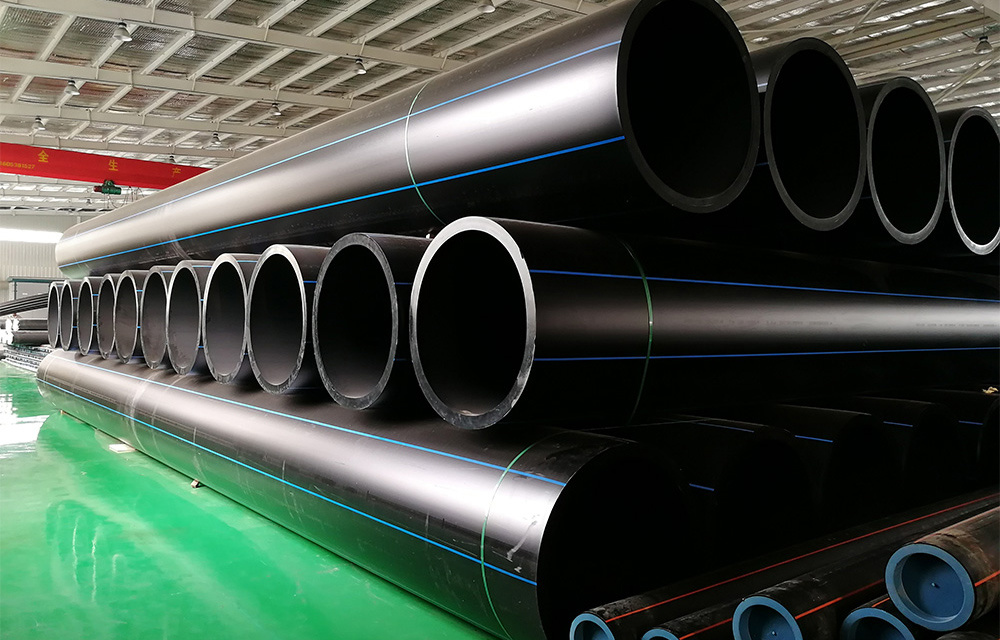
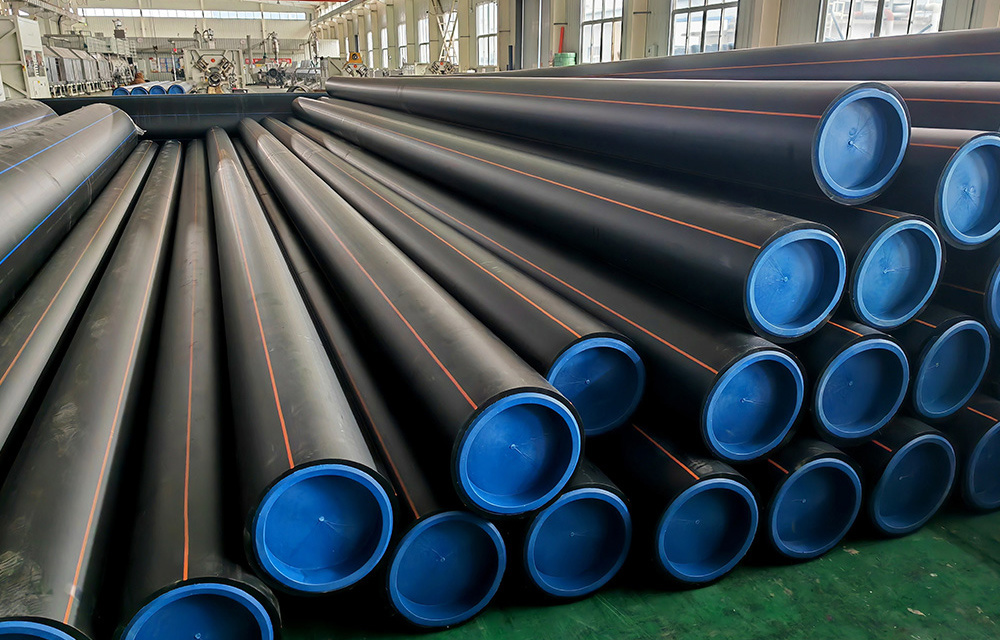
PE4710 is a type of high-density polyethylene (HDPE) pipe material that meets the rigorous standards set by the American Water Works Association (AWWA) and the American Society for Testing and Materials (ASTM). It is specifically designed for the transport of water and other fluids under pressure. The designation PE4710 indicates the material's performance properties, with a focus on its ability to withstand high stress and pressure over long periods.
The Composition of PE4710
PE4710 is manufactured using advanced polymerization techniques to ensure a uniform molecular structure, which enhances its mechanical strength and resistance to environmental stressors. The material is typically produced with a higher molecular weight and excellent crack resistance, which are critical for pipeline applications.
Advantages of Using PE4710 Pipe
Engineers favor PE4710 pipes for several compelling reasons:
1. Superior Durability
PE4710 pipes exhibit outstanding durability compared to traditional materials like steel and PVC. Their resistance to corrosion and chemical attack ensures they can perform well in various environmental conditions.
2. Flexibility and Lightweight
These pipes are significantly lighter than their metal counterparts, making transportation and installation much easier. Their flexibility allows them to withstand ground movement and pressure fluctuations without compromising integrity.
3. High Pressure Resistance
PE4710 pipes are engineered to handle high-pressure applications, making them ideal for municipal water systems and industrial processes. Their ability to maintain structural integrity under pressure reduces the risk of leaks and failures.
4. Excellent Chemical Resistance
One of the standout features of PE4710 is its resistance to a wide range of chemicals, which is essential for applications involving aggressive fluids. This resistance extends the lifespan of the pipeline system and minimizes maintenance costs.
5. Environmental Considerations
PE4710 is recyclable and has a lower environmental impact compared to other materials. Its manufacturing process produces fewer greenhouse gas emissions, aligning with sustainable practices in pipeline construction.
Key Applications of PE4710 Pipe
The versatility of PE4710 pipes makes them suitable for various applications, including:
1. Water Distribution Systems
PE4710 is widely used in municipal water supply systems, ensuring safe and efficient water transport across urban and rural areas.
2. Wastewater Management
Due to its excellent chemical resistance, PE4710 is a preferred choice for wastewater treatment facilities, where it can handle corrosive substances without degradation.
3. Gas Distribution
PE4710 pipes are also utilized in natural gas distribution systems, providing a safe and reliable solution for transporting gas to consumers.
4. Industrial Applications
Many industries rely on PE4710 pipes for transporting chemicals, slurries, and other fluids that require a durable and resistant material.
Technical Specifications of PE4710 Pipe
Understanding the technical specifications of PE4710 pipes is crucial for engineers when selecting the appropriate material for specific projects. Key specifications include:
1. Pressure Ratings
PE4710 pipes are available in various pressure ratings, typically ranging from 160 psi to 800 psi, allowing for applications in both low and high-pressure environments.
2. Size Variability
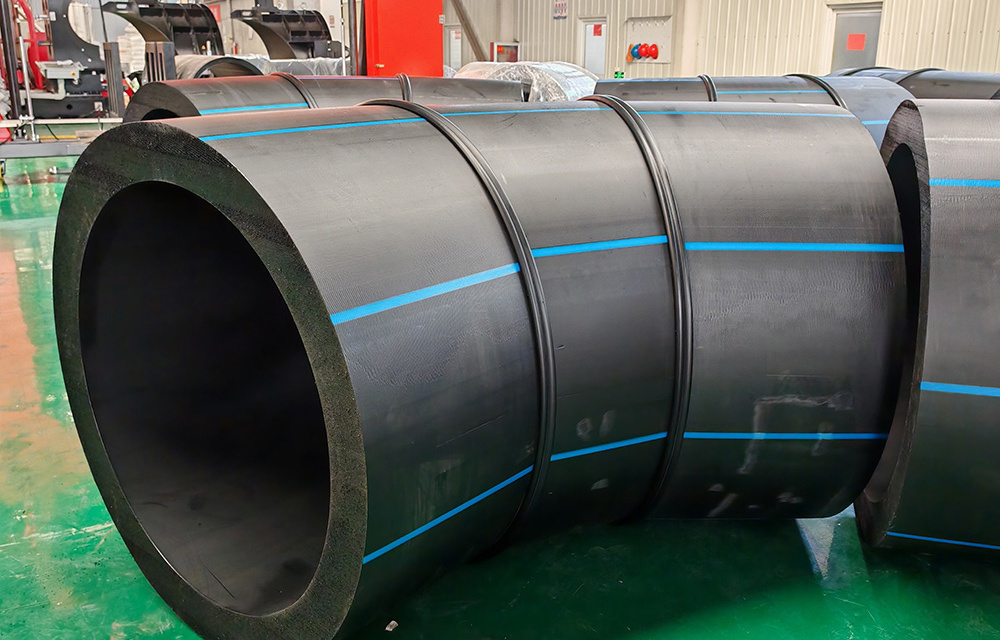
These pipes come in various diameters, from small sizes suitable for residential use to large diameters for industrial applications, ensuring versatility.
3. Temperature Resistance
PE4710 can withstand temperatures up to 140°F (60°C) without compromising its physical properties, making it suitable for hot water applications.
4. Standards Compliance
PE4710 pipes comply with several industry standards, including ASTM D3350 and AWWA C901, ensuring quality and reliability in construction.
Cost-Effectiveness of PE4710 Pipe
When evaluating the overall cost of pipeline construction, PE4710 pipes offer several financial advantages:
1. Reduced Installation Costs
Thanks to their lightweight nature and flexible design, PE4710 pipes can be installed quickly and with fewer labor resources, significantly reducing installation costs.
2. Long-Term Savings
The durability and resistance to corrosion mean that systems using PE4710 pipes require less maintenance and replacement over time, leading to long-term savings for projects.
3. Lower Energy Costs
With lower friction losses compared to traditional materials, PE4710 pipes can contribute to reduced energy costs in pumping applications, enhancing overall system efficiency.
The Installation Process of PE4710 Pipe
The installation of PE4710 pipes involves several critical steps to ensure optimal performance:
1. Site Preparation
Before installing PE4710 pipes, the site must be prepared by clearing debris and ensuring proper grading and drainage to prevent future issues.
2. Trenching and Laying
Trenches are dug to the appropriate depth, and the pipes are laid according to design specifications. Care should be taken to avoid sharp bends that could lead to stress points.
3. Joining Techniques
Various joining techniques, such as butt fusion and electrofusion, can be employed to connect PE4710 pipes securely. These methods create a strong, leak-proof seal that enhances the durability of the system.
4. Backfilling and Testing
Once the pipes are laid and connected, the trench is backfilled, and pressure testing is performed to ensure the integrity of the system before it goes into service.
Frequently Asked Questions
1. What makes PE4710 different from other polyethylene pipes?
PE4710 has a higher molecular weight and superior resistance to pressure and environmental stress, making it more durable than lower-grade polyethylene pipes.
2. Can PE4710 pipes be used for drinking water applications?
Yes, PE4710 pipes meet the necessary standards for drinking water applications, ensuring safe transportation of potable water.
3. How long can PE4710 pipes last?
With proper installation and maintenance, PE4710 pipes can last for over 50 years, making them a long-term solution for pipeline construction.
4. What are the temperature limitations of PE4710 pipes?
PE4710 pipes can typically handle temperatures up to 140°F (60°C), making them suitable for a wide range of applications.
5. Are PE4710 pipes environmentally friendly?
Yes, PE4710 pipes are recyclable and produced with a lower environmental impact compared to traditional materials, contributing to sustainable construction practices.
Conclusion
PE4710 pipes have emerged as the preferred choice among engineers for pipeline construction due to their impressive durability, flexibility, and cost-effectiveness. Their ability to withstand challenging environmental conditions while remaining lightweight and easy to install makes them ideal for various applications, from municipal water systems to industrial processes. By understanding the technical specifications and advantages of PE4710, engineers can make informed decisions that ensure the success and longevity of their projects. As the demand for reliable and sustainable pipeline solutions continues to grow, PE4710 will undoubtedly remain at the forefront of engineering innovations in pipe materials.

Customer Service Hotline
Sales Department Email
Website (Web)
Customer Service Email
Business Cooperation Email
Address
No.32 Donghai Road, Cangzhou Development Zone, Hebei Province, China
Company Address
No. 32 Donghai Road, Cangzhou Development Zone, Hebei Province, China