


16
2026
-
01
Understanding the Role of HDPE Pipes in Managing Landfill Leachate
Landfills are essential for waste disposal but pose a challenge in managing leachate, the liquid that drains or seeps from a landfill. This liquid can contain hazardous substances that, if not managed properly, can lead to soil and groundwater contamination. Therefore, effective leachate management systems are crucial for environmental sustainability, and this is where HDPE pipes become invaluable
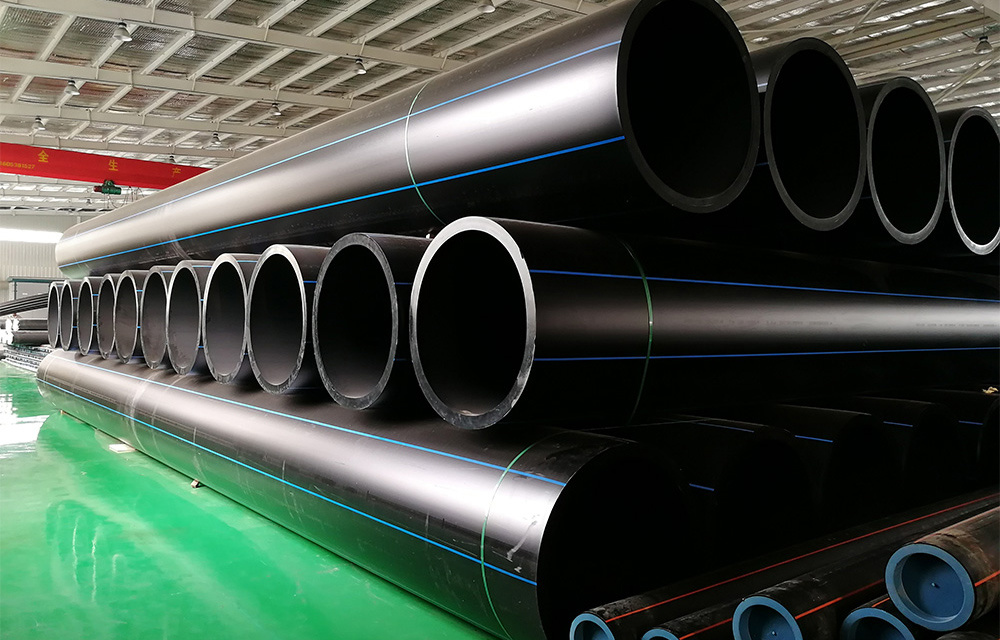
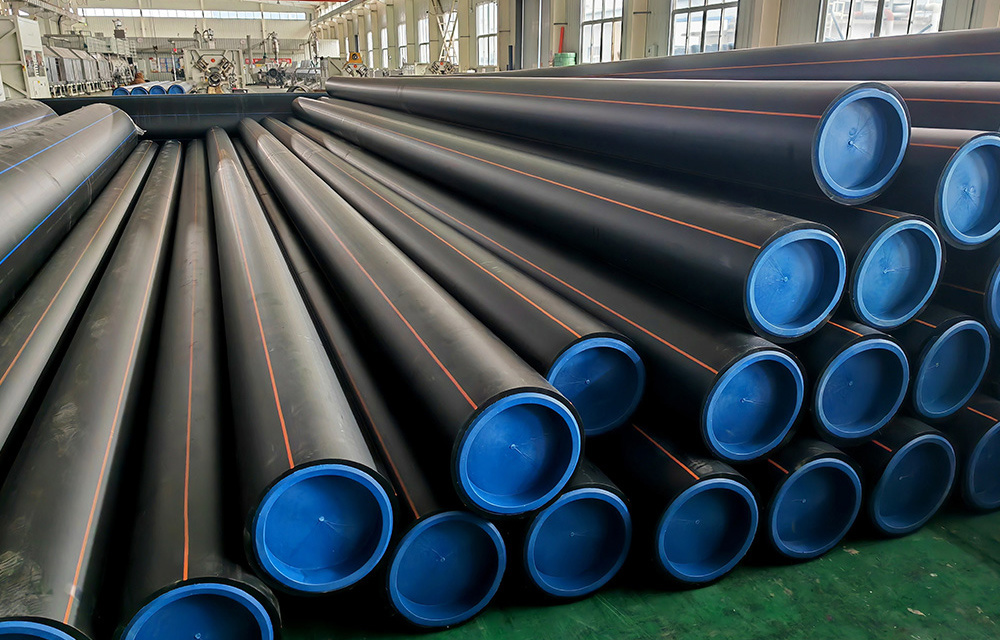
HDPE pipes are known for their excellent chemical resistance, durability, and flexibility, making them ideal for transporting leachate. Unlike traditional materials, HDPE pipes do not corrode or degrade in the presence of aggressive leachate components, ensuring a long service life. This durability is particularly important in landfill applications, where the harsh chemical environment can compromise other types of piping systems.
Another significant advantage of HDPE pipes is their ability to withstand extreme conditions. Landfill leachate can vary widely in temperature and composition, and HDPE pipes can perform effectively under such fluctuating conditions. Their low thermal conductivity helps maintain the integrity of the leachate being transported, minimizing the risk of environmental contamination.
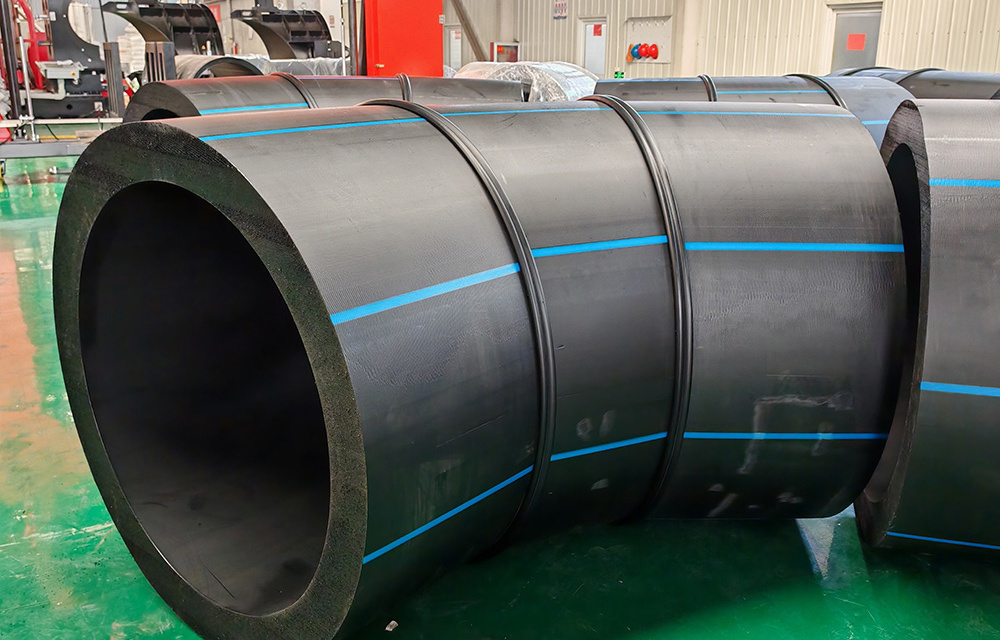
Moreover, the installation of HDPE pipes is typically more straightforward compared to other materials. Their lightweight nature facilitates easier handling and installation, reducing labor costs and time. Additionally, the flexibility of HDPE allows for installation in various configurations, accommodating the complex layouts often required in landfill sites.
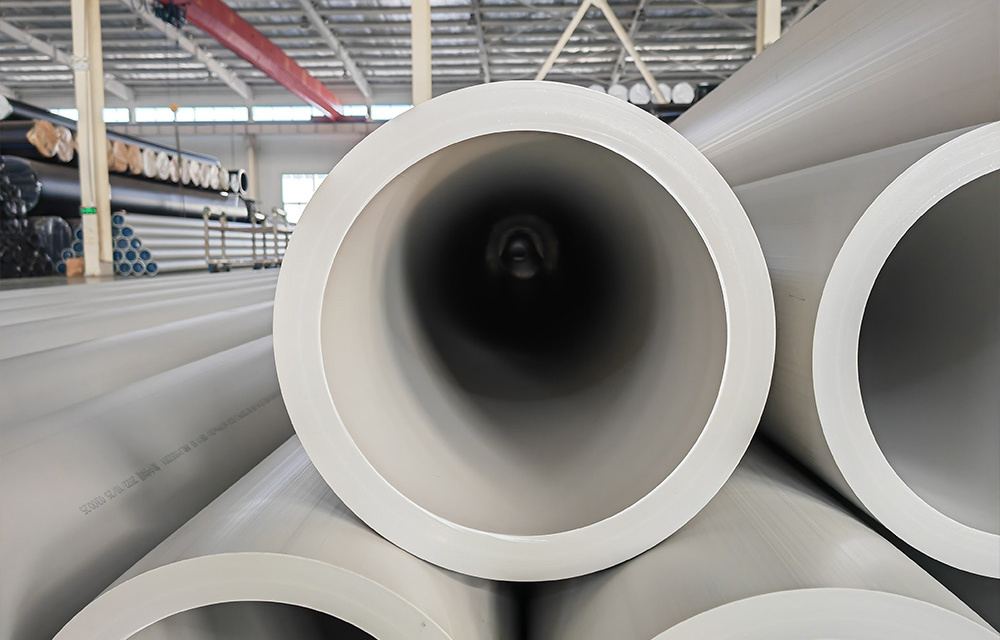
From an environmental perspective, using HDPE pipes promotes better leachate management practices. Their smooth interior surfaces reduce friction, enabling efficient flow and minimizing the risk of clogging. This efficiency is crucial for maintaining the effectiveness of leachate collection systems, which play a vital role in preventing leachate from releasing harmful substances into the environment.
In summary, HDPE pipes are a critical component in the management of landfill leachate. Their chemical resistance, durability, flexibility, and ease of installation make them an optimal choice for ensuring effective leachate transport and minimizing environmental risks. As industries continue to prioritize sustainable waste management practices, the role of HDPE pipes will undoubtedly grow, contributing to safer and more efficient landfill operations. Understanding these benefits can help stakeholders make informed decisions regarding the selection of materials for leachate management systems.

Customer Service Hotline
Sales Department Email
Website (Web)
Customer Service Email
Business Cooperation Email
Address
No.32 Donghai Road, Cangzhou Development Zone, Hebei Province, China
Company Address
No. 32 Donghai Road, Cangzhou Development Zone, Hebei Province, China