


15
2026
-
01
How HDPE Pipe Enhances the Performance of Geothermal Systems
How HDPE Pipe Enhances the Performance of Geothermal Systems Table of Contents 1. Introduction to Geothermal Systems 2. Understanding HDPE Pipes 2.1 What is HDPE? 2.2 Properties of HDPE Pipes 3. The Role of HDPE Pipes in Geothermal Systems 3.1 Heat Exchange Efficiency 3.2 Insulation Properties 4. Advantages of Using HDPE Pipes 4.1 Corrosion Resistance 4.2 Longevity and Durabi
How HDPE Pipe Enhances the Performance of Geothermal Systems
Table of Contents
1. Introduction to Geothermal Systems
2. Understanding HDPE Pipes
2.1 What is HDPE?
2.2 Properties of HDPE Pipes
3. The Role of HDPE Pipes in Geothermal Systems
3.1 Heat Exchange Efficiency
3.2 Insulation Properties
4. Advantages of Using HDPE Pipes
4.1 Corrosion Resistance
4.2 Longevity and Durability
4.3 Environmental Impact
5. Installation Process of HDPE Pipes in Geothermal Systems
5.1 Planning and Design Considerations
5.2 Installation Techniques
6. Maintenance and Care for HDPE Pipes
7. Case Studies: Success Stories of HDPE in Geothermal Applications
8. Future Trends in HDPE and Geothermal Technologies
9. Frequently Asked Questions (FAQs)
10. Conclusion
1. Introduction to Geothermal Systems
Geothermal systems harness the earth's internal heat for energy efficiency and sustainable heating and cooling solutions. These systems are increasingly popular due to their low environmental impact and cost-effectiveness over the long term. As we strive for sustainable energy solutions, understanding the components that enhance geothermal system performance becomes essential.
2. Understanding HDPE Pipes
2.1 What is HDPE?
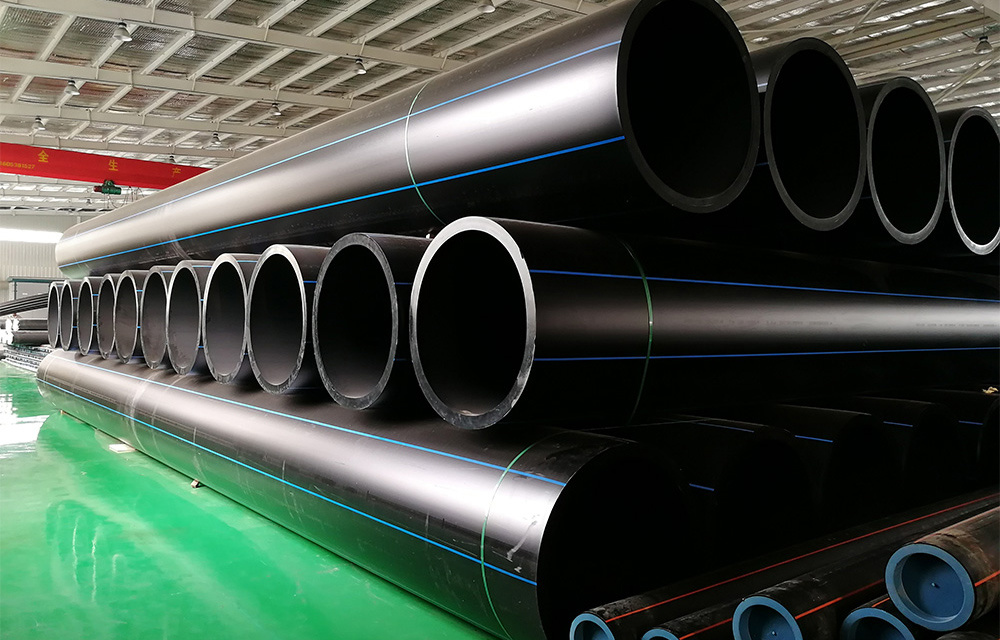
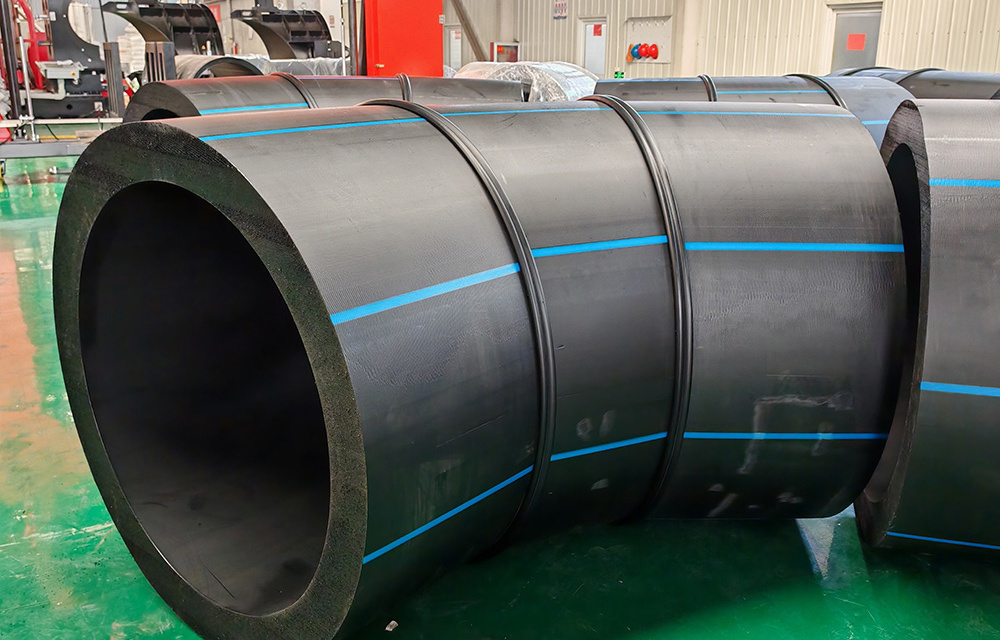
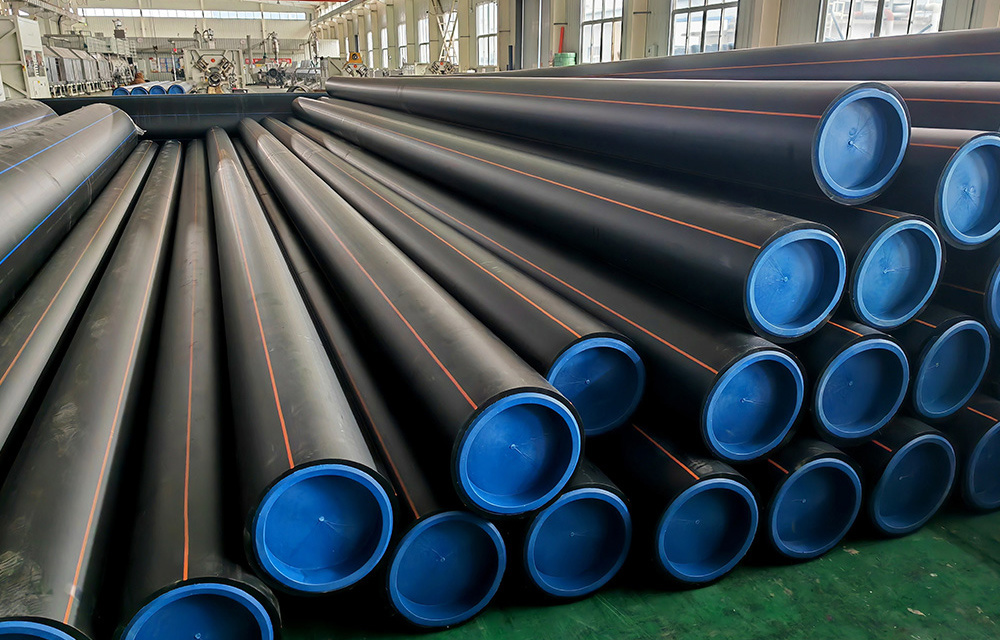
High-Density Polyethylene (HDPE) is a thermoplastic polymer known for its high strength-to-density ratio. It is widely utilized in various applications due to its excellent chemical resistance and versatility. In geothermal systems, it serves as a crucial component for both energy efficiency and durability.
2.2 Properties of HDPE Pipes
HDPE pipes possess several beneficial properties, including:
- **Flexibility**: This allows for easy installation and adaptation to various geological conditions.
- **Lightweight**: Reduces transportation costs and simplifies handling during installation.
- **Resistance to Chemicals**: Protects the pipe from degradation, ensuring longevity in geothermal environments.
- **Low Thermal Conductivity**: Helps maintain temperature in geothermal applications, enhancing efficiency.
3. The Role of HDPE Pipes in Geothermal Systems
HDPE pipes play a vital role in the efficiency and effectiveness of geothermal systems. Understanding their contribution can help stakeholders appreciate their value.
3.1 Heat Exchange Efficiency
HDPE pipes are designed to optimize **heat exchange** between the ground and the fluid circulating within the geothermal system. Their smooth interior surface reduces friction, allowing for better heat transfer and maximizing energy efficiency.
3.2 Insulation Properties
One of the critical advantages of HDPE is its low thermal conductivity. This property ensures minimal heat loss during the exchange process, resulting in higher system efficiency and reduced operational costs.
4. Advantages of Using HDPE Pipes
The adoption of HDPE pipes in geothermal systems presents numerous benefits that contribute to their growing popularity.
4.1 Corrosion Resistance
Unlike traditional metal pipes, HDPE does not corrode when exposed to various chemicals and environmental conditions. This resistance significantly reduces maintenance costs and prolongs the system's lifespan.
4.2 Longevity and Durability
HDPE pipes can last over 50 years when properly installed and maintained. Their durability ensures that geothermal systems remain operational with minimal need for replacement, providing excellent return on investment.
4.3 Environmental Impact
The environmental footprint of geothermal systems using HDPE pipes is minimal. The sustainable nature of geothermal energy, combined with the recyclability of HDPE, contributes to a greener future.
5. Installation Process of HDPE Pipes in Geothermal Systems
The installation of HDPE pipes requires careful planning and execution to ensure optimal performance.
5.1 Planning and Design Considerations
Designing a geothermal system with HDPE pipes involves understanding the geothermal resources available and the specific energy needs of a building or facility. Factors such as soil conditions, depth, and expected energy loads must be considered.
5.2 Installation Techniques
Various installation methods can be employed, including horizontal drilling and trenching. Each method has its advantages, and the choice often depends on site-specific conditions. Proper installation is critical to ensure the integrity and efficiency of the geothermal system.
6. Maintenance and Care for HDPE Pipes
Maintenance of HDPE pipes is relatively straightforward, given their resistance to corrosion and damage. Regular inspections and monitoring for signs of wear or leakage will help maintain system efficiency.
7. Case Studies: Success Stories of HDPE in Geothermal Applications
Several successful installations worldwide have demonstrated the effectiveness of HDPE pipes in geothermal systems. For instance, numerous commercial buildings and residential complexes report substantial energy savings and enhanced performance due to the integration of HDPE.
8. Future Trends in HDPE and Geothermal Technologies
The future of geothermal systems is promising, with advancements in HDPE technology continuing to evolve. Innovations such as improved pipe manufacturing processes, enhanced thermal performance, and integration with smart technologies will likely enhance the efficiency and appeal of geothermal systems.
9. Frequently Asked Questions (FAQs)
1. What is the lifespan of HDPE pipes used in geothermal systems?
HDPE pipes can last over 50 years with proper installation and maintenance.
2. Why are HDPE pipes preferred over traditional materials in geothermal applications?
HDPE pipes offer superior corrosion resistance, flexibility, and durability, making them ideal for the demanding conditions of geothermal systems.
3. Can HDPE pipes be recycled?
Yes, HDPE is highly recyclable, contributing to its environmental benefits and sustainability.
4. What are the installation methods for HDPE pipes in geothermal systems?
Common installation methods include horizontal directional drilling and traditional trenching techniques, depending on site-specific conditions.
5. How do HDPE pipes affect the efficiency of geothermal systems?
HDPE pipes enhance system efficiency by optimizing heat exchange and minimizing heat loss, leading to lower operational costs and improved performance.
10. Conclusion
In summary, HDPE pipes significantly enhance the performance of geothermal systems through their superior properties, efficiency, and sustainability. As the demand for renewable energy solutions grows, the role of HDPE in geothermal applications will likely continue to expand, leading to improved energy efficiency and environmental conservation. By choosing HDPE pipes, stakeholders can ensure a reliable, durable, and eco-friendly solution for their geothermal systems, paving the way for a sustainable energy future.

Customer Service Hotline
Sales Department Email
Website (Web)
Customer Service Email
Business Cooperation Email
Address
No.32 Donghai Road, Cangzhou Development Zone, Hebei Province, China
Company Address
No. 32 Donghai Road, Cangzhou Development Zone, Hebei Province, China