


17
2026
-
01
How HDPE Pipe Revolutionizes the Pipe Jacking Process for Industrial Applications
How HDPE Pipe Improves the Pipe Jacking Process Table of Contents 1. Introduction to Pipe Jacking 2. Understanding HDPE Pipes 3. Advantages of Using HDPE in Pipe Jacking 3.1. Enhanced Flexibility and Durability 3.2. Resistance to Corrosion and Chemical Damage 3.3. Lightweight and Easy Handling 4. Technical Aspects of HDPE in Pipe Jacking 4.1. Pipe Design and Specifications 4.2. I
How HDPE Pipe Improves the Pipe Jacking Process
Table of Contents
1. Introduction to Pipe Jacking
2. Understanding HDPE Pipes
3. Advantages of Using HDPE in Pipe Jacking
3.1. Enhanced Flexibility and Durability
3.2. Resistance to Corrosion and Chemical Damage
3.3. Lightweight and Easy Handling
4. Technical Aspects of HDPE in Pipe Jacking
4.1. Pipe Design and Specifications
4.2. Installation Techniques
5. Environmental Impact of HDPE Pipes
6. Case Studies: Successful Applications of HDPE in Pipe Jacking
7. Frequently Asked Questions (FAQs)
8. Conclusion
1. Introduction to Pipe Jacking
Pipe jacking is a trenchless construction method widely used in the installation of underground pipelines. This innovative technique allows for minimal disruption to the surface environment, making it ideal for urban settings and sensitive landscapes. The process involves driving a pipe through the ground using hydraulic jacks, thereby eliminating the need for traditional excavation methods that can be costly and time-consuming. As the industry advances, the materials used in pipe jacking become increasingly important, and one of the most notable materials that have emerged is High-Density Polyethylene (HDPE).
2. Understanding HDPE Pipes
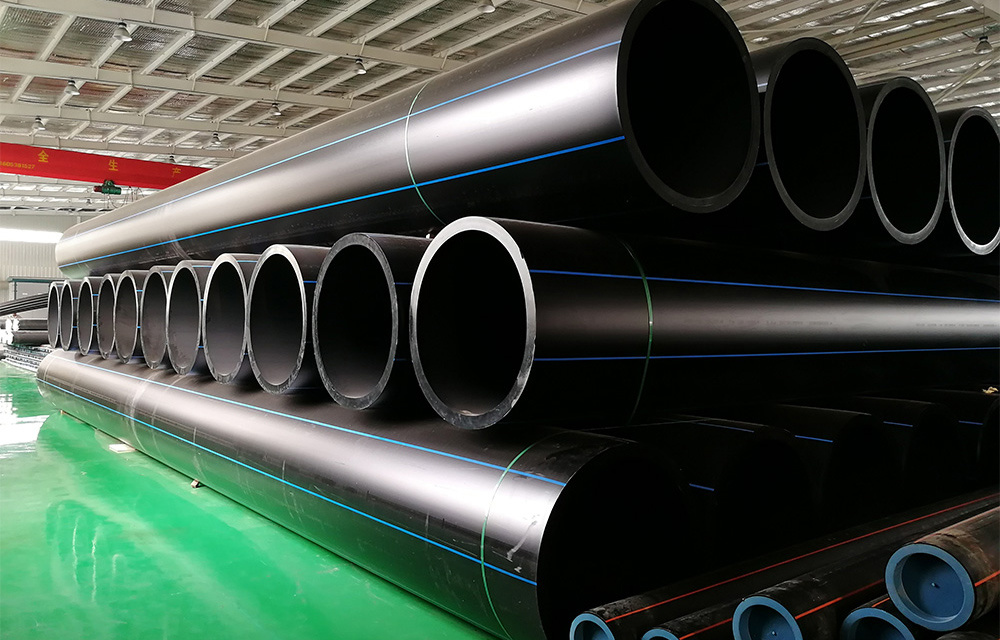
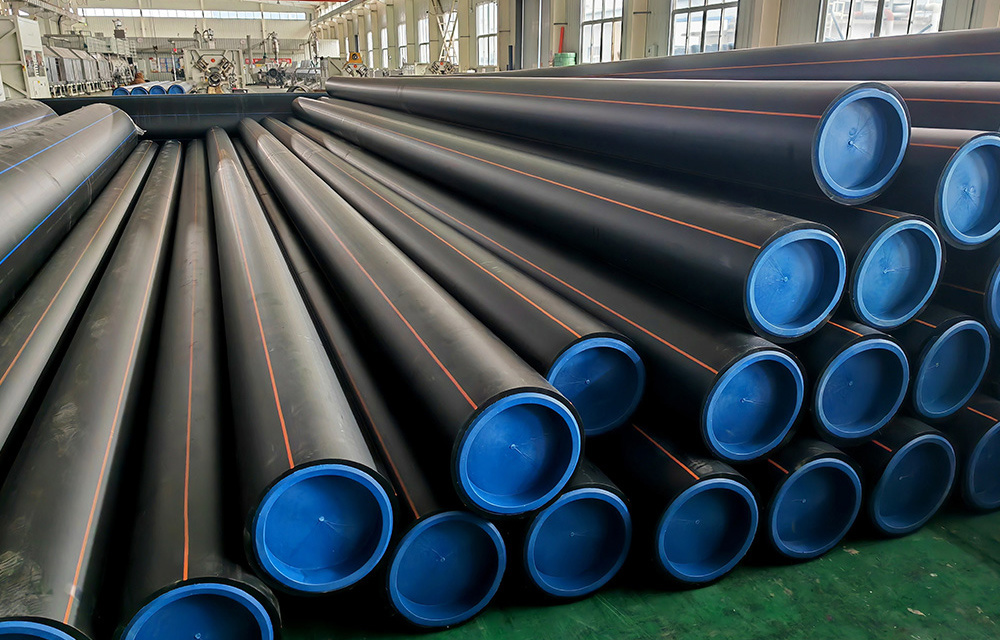
High-Density Polyethylene (HDPE) is a thermoplastic polymer characterized by its high strength-to-density ratio. Due to its robust properties, HDPE pipes are often chosen for various applications, including water distribution, sewage, and industrial piping. Unlike traditional materials such as concrete and steel, HDPE pipes are designed to withstand high pressures and resist environmental stressors. Their flexibility and resilience make them a game-changer in the pipe jacking process.
3. Advantages of Using HDPE in Pipe Jacking
Incorporating HDPE pipes into the pipe jacking process offers several compelling benefits.
3.1. Enhanced Flexibility and Durability
One of the primary advantages of HDPE pipes is their exceptional flexibility, which allows them to adapt to shifting soil conditions and ground movements. This flexibility reduces the likelihood of pipe fractures or failures during installation, ensuring a longer lifespan for the pipeline. Additionally, HDPE’s durability under extreme conditions minimizes the need for frequent replacements, translating into cost savings for projects.
3.2. Resistance to Corrosion and Chemical Damage
HDPE pipes are inherently resistant to corrosion and various chemicals, making them suitable for environments that would typically degrade other materials. This property is particularly beneficial in areas where the soil may contain aggressive substances that could compromise the integrity of traditional piping materials. As a result, HDPE pipes maintain their functionality and structural integrity over time, reducing maintenance costs and extending service life.
3.3. Lightweight and Easy Handling
The lightweight nature of HDPE pipes simplifies handling and installation. Unlike heavier materials, which require specialized equipment for transportation and placement, HDPE pipes can be easily manipulated by smaller crews, reducing labor costs and installation timelines. This ease of handling is particularly advantageous in urban construction sites where space is limited.
4. Technical Aspects of HDPE in Pipe Jacking
To fully leverage the benefits of HDPE pipes in the pipe jacking process, it is essential to understand the technical aspects involved.
4.1. Pipe Design and Specifications
HDPE pipes come in various sizes, diameters, and pressure ratings, allowing them to be customized according to specific project requirements. The design of HDPE pipes used in pipe jacking must consider factors such as soil conditions, expected load, and environmental impact. Consulting with engineering professionals is crucial to select the appropriate specifications that align with the project's goals.
4.2. Installation Techniques
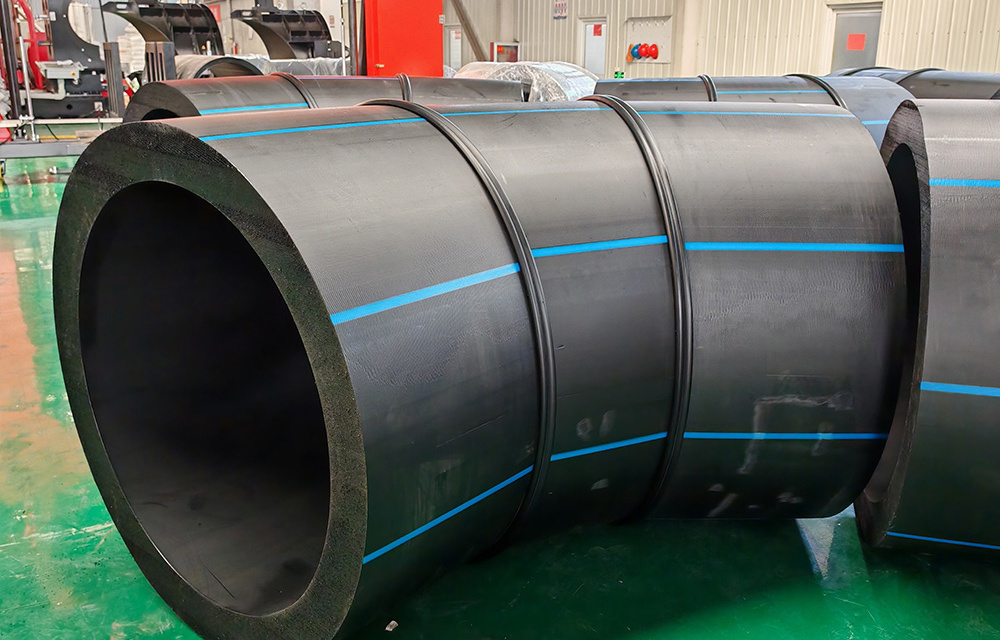
The installation of HDPE pipes through pipe jacking involves several key techniques. The pipes are typically equipped with jacking rings that facilitate the pushing process. Additionally, employing advanced technologies such as laser guidance systems can enhance accuracy during installation, ensuring the pipes are aligned correctly from start to finish. Such precision minimizes the risk of operational issues post-installation.
5. Environmental Impact of HDPE Pipes
The environmental implications of using HDPE pipes are overwhelmingly positive. Since HDPE is recyclable, it contributes to sustainability by reducing waste. Furthermore, the trenchless nature of pipe jacking minimizes surface disruption, preserving the natural landscape and reducing carbon footprints associated with excavation and restoration. Using HDPE pipes aligns with modern sustainable construction practices, addressing the growing demand for eco-friendly solutions in the industrial sector.
6. Case Studies: Successful Applications of HDPE in Pipe Jacking
Numerous projects worldwide have successfully integrated HDPE pipes into their pipe jacking processes, showcasing the versatility and reliability of this material.
- **Project XYZ, City A**: In a densely populated urban area, the installation of HDPE pipes significantly minimized surface disruption and avoided potential impacts on existing infrastructure. This approach not only saved time but also reduced costs associated with traditional excavation.
- **Project ABC, Region B**: Faced with corrosive soil conditions, engineers opted for HDPE pipes to ensure long-term reliability and reduced maintenance needs. The outcome was a successful installation with minimal environmental impact.
These case studies exemplify how HDPE pipes can enhance the efficiency and effectiveness of the pipe jacking process across various applications.
7. Frequently Asked Questions (FAQs)
**Q1: What is the lifespan of HDPE pipes used in pipe jacking?**
A1: HDPE pipes can last over 50 years when properly installed and maintained, significantly reducing the need for replacements.
**Q2: How do HDPE pipes compare to traditional materials like concrete and steel?**
A2: HDPE pipes are lighter, more flexible, and resistant to corrosion, making them a more sustainable and cost-effective option in many cases.
**Q3: What are the installation costs associated with HDPE pipe jacking?**
A3: While the initial costs may be comparable to traditional methods, the reduced labor and maintenance requirements often make HDPE pipe jacking more economical in the long run.
**Q4: Can HDPE pipes be used for both potable and non-potable water?**
A4: Yes, HDPE pipes are suitable for both potable and non-potable water applications, provided they meet the necessary health and safety standards.
**Q5: What factors influence the selection of HDPE pipe diameter for a project?**
A5: Factors include the expected flow rates, pressure requirements, and specific project conditions such as soil type and environmental regulations.
8. Conclusion
In conclusion, the integration of **HDPE pipes** into the **pipe jacking process** represents a significant advancement in modern construction techniques. With their numerous advantages, including enhanced flexibility, resistance to corrosion, and ease of handling, HDPE pipes provide a sustainable solution that meets the demands of today’s industrial applications. By embracing HDPE technology, construction professionals can ensure efficient, reliable, and environmentally-friendly outcomes in their pipeline installations. This innovative approach not only improves project timelines but also contributes to the long-term sustainability of infrastructure development in various environments.

Customer Service Hotline
Sales Department Email
Website (Web)
Customer Service Email
Business Cooperation Email
Address
No.32 Donghai Road, Cangzhou Development Zone, Hebei Province, China
Company Address
No. 32 Donghai Road, Cangzhou Development Zone, Hebei Province, China