


11
2026
-
01
Maximizing Landfill Efficiency with HDPE Pipe Solutions: A Comprehensive Guide
Maximizing Landfill Efficiency with HDPE Pipe Solutions Table of Contents 1. Introduction to Landfill Efficiency and HDPE Pipes 2. Understanding HDPE Pipes: Properties and Benefits 3. The Role of HDPE Pipes in Landfill Efficiency 4. Applications of HDPE Pipes in Landfill Operations 5. Best Practices for HDPE Pipe Installation in Landfills 6. Environmental Benefits of Using
Maximizing Landfill Efficiency with HDPE Pipe Solutions
Table of Contents
- 1. Introduction to Landfill Efficiency and HDPE Pipes
- 2. Understanding HDPE Pipes: Properties and Benefits
- 3. The Role of HDPE Pipes in Landfill Efficiency
- 4. Applications of HDPE Pipes in Landfill Operations
- 5. Best Practices for HDPE Pipe Installation in Landfills
- 6. Environmental Benefits of Using HDPE Pipes
- 7. Cost-Effectiveness of HDPE Pipe Solutions
- 8. The Future of HDPE Pipes in Landfill Management
- 9. Conclusion
- 10. Frequently Asked Questions
1. Introduction to Landfill Efficiency and HDPE Pipes
In the realm of waste management, maximizing landfill efficiency is essential for sustainable operations. As landfills continue to face increasing pressure due to waste accumulation and environmental regulations, innovative solutions become paramount. One such solution lies in the utilization of **High-Density Polyethylene (HDPE) pipes**. These versatile pipes are designed to enhance the operational efficiency of landfills, manage leachate effectively, and contribute to a greener environment.
This comprehensive guide delves into the world of HDPE pipes, examining their benefits, applications, and best practices in landfill operations. We aim to equip landfill operators, environmental engineers, and waste management professionals with the knowledge to optimize landfill efficiency and sustainability.
2. Understanding HDPE Pipes: Properties and Benefits
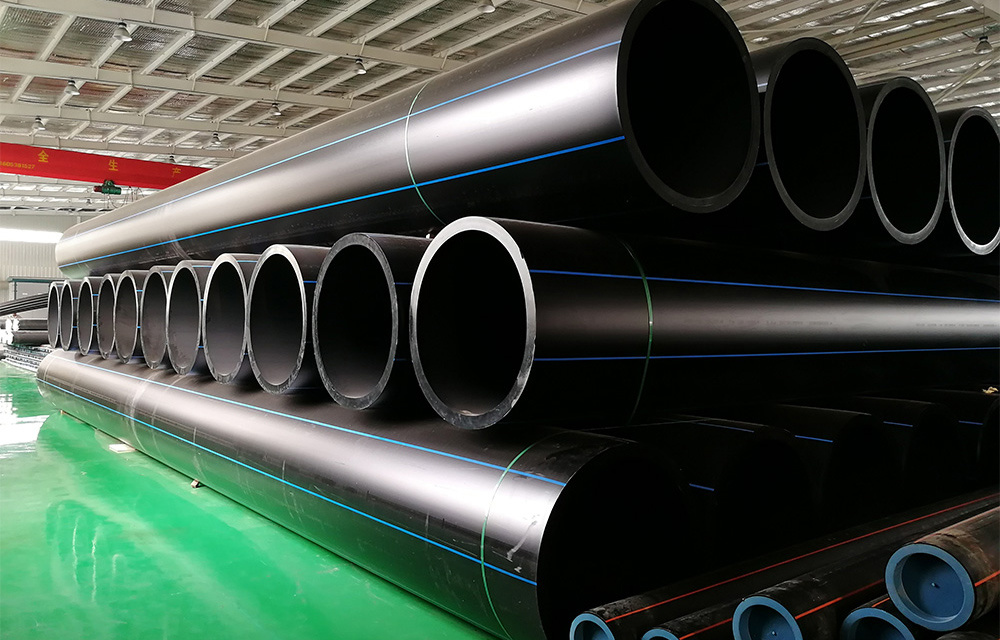
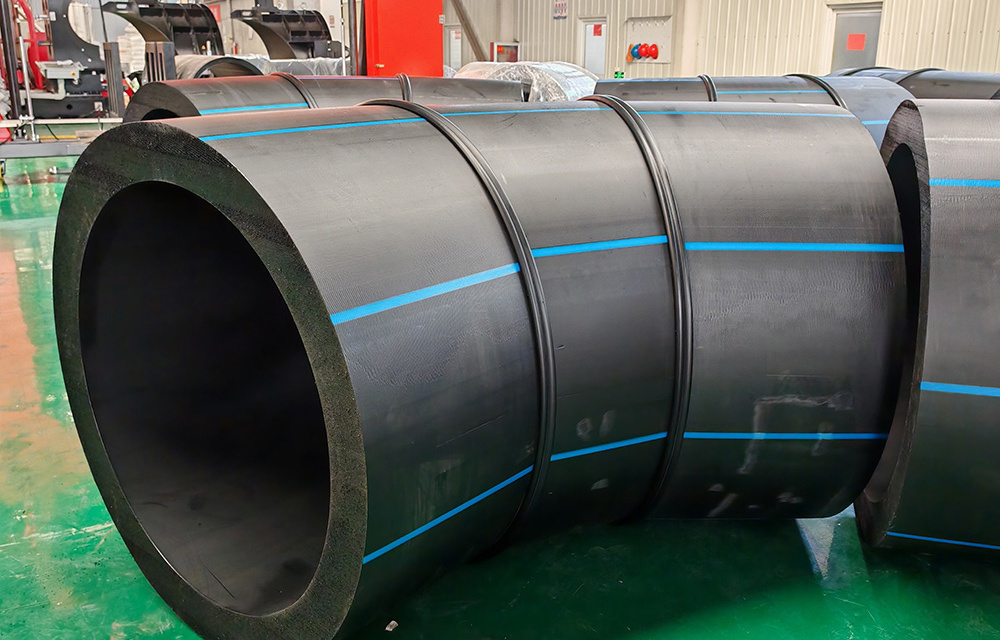
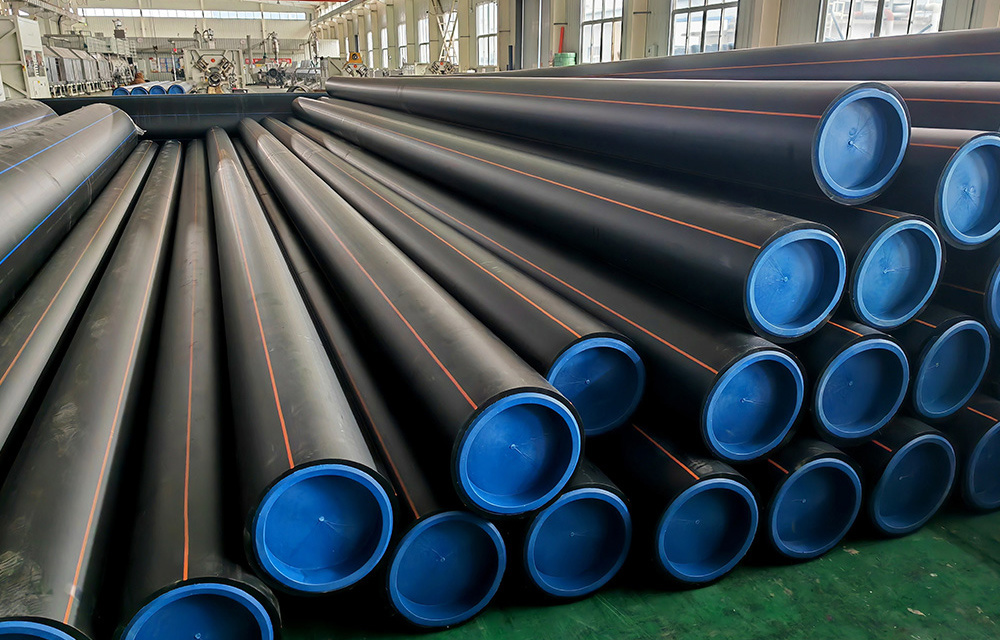
HDPE pipes are manufactured from high-density polyethylene, a thermoplastic known for its robustness, flexibility, and resistance to various environmental factors. The properties of HDPE pipes make them an excellent choice for landfill applications.
2.1 Key Properties of HDPE Pipes
- **Durability**: HDPE pipes are resistant to corrosion, impact, and chemicals, ensuring a long lifespan even in challenging environments.
- **Flexibility**: Their flexibility allows for easy installation and adaptability to various landfill designs.
- **Lightweight**: Being lighter than traditional materials, transport and installation of HDPE pipes are significantly easier.
- **Leachate Resistance**: HDPE's impermeability prevents leachate from contaminating surrounding soil and groundwater.
2.2 Benefits of Using HDPE Pipes
The adoption of HDPE pipes in landfill operations offers numerous advantages:
- **Cost Savings**: Reduced installation and maintenance costs due to their longevity and low maintenance needs.
- **Improved Efficiency**: Enhanced leachate collection and drainage systems lead to better waste management practices.
- **Sustainability**: HDPE is 100% recyclable, contributing to a circular economy and minimizing environmental impact.
3. The Role of HDPE Pipes in Landfill Efficiency
The role of HDPE pipes in improving landfill efficiency cannot be overstated. They are integral to various systems within landfill operations, including leachate management, gas collection, and drainage systems.
3.1 Leachate Management
Leachate, a byproduct of waste decomposition, can pose significant environmental threats if not managed properly. HDPE pipes facilitate efficient leachate collection and transport, preventing contamination of surrounding soil and groundwater.
3.2 Gas Collection Systems
Landfills produce gases such as methane, which require proper management to mitigate environmental hazards. HDPE pipes are used in landfill gas collection systems, effectively capturing these gases and allowing for their safe utilization or flaring.
3.3 Drainage Systems
Proper drainage is crucial for maintaining landfill stability and preventing erosion. HDPE pipes enable efficient drainage, directing excess water away from the landfill and reducing the risk of leachate production.
4. Applications of HDPE Pipes in Landfill Operations
HDPE pipes have a wide range of applications in landfill operations, enhancing efficiency and sustainability.
4.1 Leachate Collection Systems
Utilizing perforated HDPE pipes in leachate collection systems ensures optimal drainage, preventing the buildup of leachate and associated contaminants.
4.2 Ventilation Systems
HDPE pipes are employed in landfill ventilation systems to facilitate gas escape, thus minimizing pressure buildup and enhancing safety.
4.3 Stormwater Management
HDPE pipes play a critical role in stormwater management systems within landfills, directing excess water away and preventing flooding.
4.4 Recycling Facilities
Within recycling facilities, HDPE pipes are used for transporting various materials, contributing to efficient waste management processes.
5. Best Practices for HDPE Pipe Installation in Landfills
To maximize the benefits of HDPE pipes, adhering to best installation practices is essential.
5.1 Site Preparation
Proper site preparation is fundamental. This involves assessing soil conditions, ensuring stability, and planning the layout of the pipe system.
5.2 Jointing Methods
Selecting the appropriate jointing method, such as butt fusion or electrofusion, is vital for maintaining the integrity of the pipe system.
5.3 Quality Control
Continuous quality control during installation ensures that the pipes are installed correctly and function optimally.
5.4 Regular Maintenance and Inspections
Implementing a routine maintenance and inspection schedule helps identify potential issues before they escalate, ensuring the longevity of the HDPE pipe system.
6. Environmental Benefits of Using HDPE Pipes
The environmental advantages of utilizing HDPE pipes in landfill operations are significant.
6.1 Reduced Contamination Risk
HDPE's impermeability minimizes the risk of leachate contaminating surrounding environments, protecting soil and groundwater quality.
6.2 Lower Carbon Footprint
With their long lifespan and recyclability, HDPE pipes contribute to a reduced carbon footprint in landfill operations.
6.3 Support for Sustainable Practices
By improving landfill efficiency, HDPE pipes play a role in promoting sustainable waste management practices, aligning with global environmental goals.
7. Cost-Effectiveness of HDPE Pipe Solutions
Investing in HDPE pipe solutions can lead to substantial cost savings in landfill operations.
7.1 Long-Term Savings
Despite initial costs, the durability and low maintenance of HDPE pipes result in significant long-term savings.
7.2 Reduced Labor Costs
The lightweight nature of HDPE pipes facilitates easier handling and installation, reducing labor costs associated with installation.
7.3 Efficient Resource Management
By improving leachate management and gas collection, HDPE pipes contribute to more efficient resource management, translating to financial benefits.
8. The Future of HDPE Pipes in Landfill Management
As waste management practices evolve and environmental regulations become stricter, the role of HDPE pipes in landfills will continue to expand.
8.1 Innovations in HDPE Technology
Advancements in HDPE technology, such as enhanced resistance to UV radiation and increased flexibility, will further improve their applicability in landfill operations.
8.2 Increased Adoption of Sustainable Practices
With a growing emphasis on sustainability, more landfills will adopt HDPE pipe solutions, contributing to environmental protection and efficient waste management.
8.3 Regulatory Compliance
As regulations concerning landfill operations become more stringent, HDPE pipes will play a crucial role in helping landfills comply with environmental standards.
9. Conclusion
Maximizing landfill efficiency through the use of HDPE pipe solutions presents a transformative opportunity for waste management practices. With their durability, flexibility, and environmental benefits, HDPE pipes are essential for effective leachate and gas management, stormwater control, and overall landfill sustainability.
By embracing HDPE pipe technology, landfill operators can not only enhance operational efficiency but also contribute significantly to environmental protection. As we look to the future, the continued adoption and innovation of HDPE pipes will play a vital role in shaping sustainable waste management practices worldwide.
10. Frequently Asked Questions
10.1 What are HDPE pipes used for in landfills?
HDPE pipes are primarily used for leachate collection, gas ventilation, and stormwater management in landfill operations.
10.2 How long do HDPE pipes last?
With proper installation and maintenance, HDPE pipes can last over 50 years, making them a durable choice for landfill applications.
10.3 Are HDPE pipes environmentally friendly?
Yes, HDPE pipes are recyclable and help reduce contamination risks in landfill operations, promoting sustainability.
10.4 What are the installation costs of HDPE pipes?
While installation costs may vary based on project size and complexity, HDPE pipes generally offer long-term savings due to their durability and low maintenance needs.
10.5 Can HDPE pipes be repaired?
HDPE pipes can be repaired using various methods, including fusion welding, ensuring continued functionality throughout their lifespan.

Customer Service Hotline
Sales Department Email
Website (Web)
Customer Service Email
Business Cooperation Email
Address
No.32 Donghai Road, Cangzhou Development Zone, Hebei Province, China
Company Address
No. 32 Donghai Road, Cangzhou Development Zone, Hebei Province, China