


10
2026
-
01
Exploring the Benefits of HDPE Pipe in Geothermal Systems
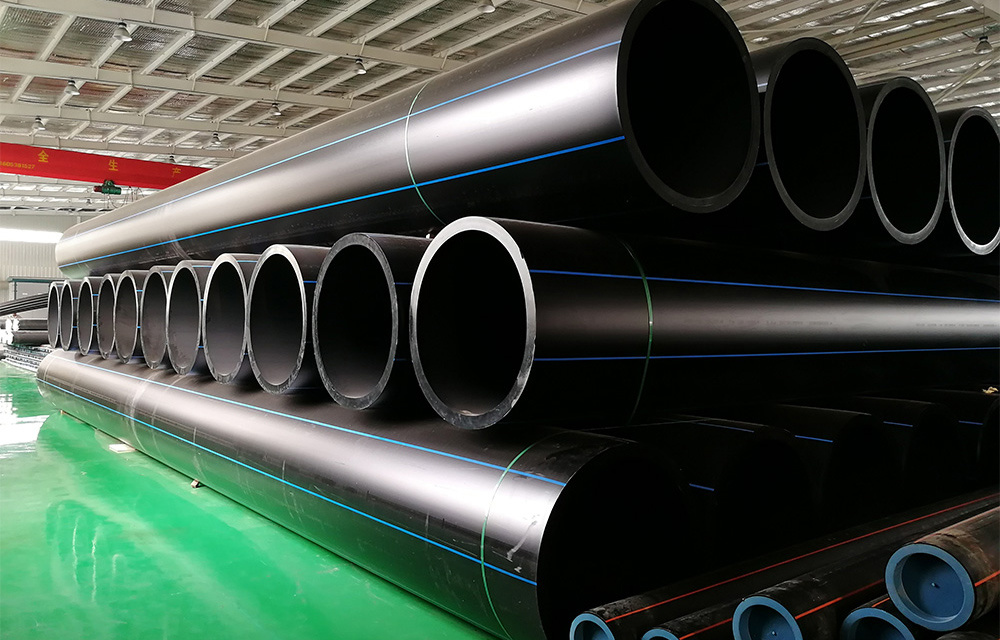
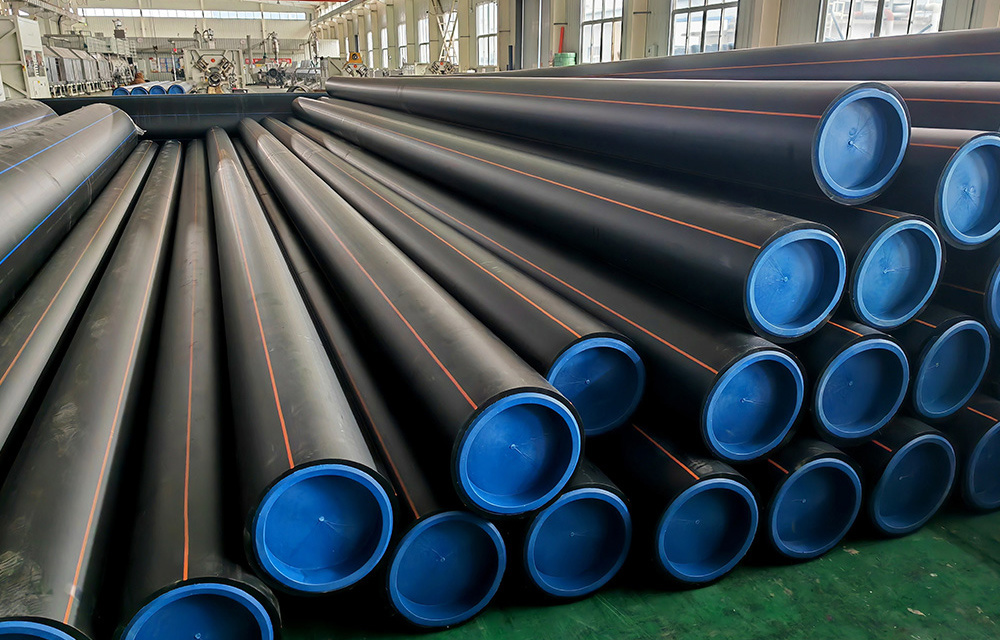
Geothermal systems are an increasingly popular renewable energy solution, harnessing the Earth's natural heat to provide heating, cooling, and hot water. A critical component of these systems is the piping infrastructure, and High-Density Polyethylene (HDPE) pipes have emerged as a preferred choice for many geothermal applications. Understanding the benefits of HDPE pipes for geothermal systems ca
One of the primary advantages of using HDPE pipes in geothermal systems is their impressive resistance to corrosion and chemical exposure. Unlike metal pipes, which may corrode when exposed to moisture or certain chemical substances, HDPE pipes maintain their structural integrity over a prolonged period. This is particularly crucial in geothermal applications where the pipes are often buried underground and subjected to varying soil conditions and temperatures.
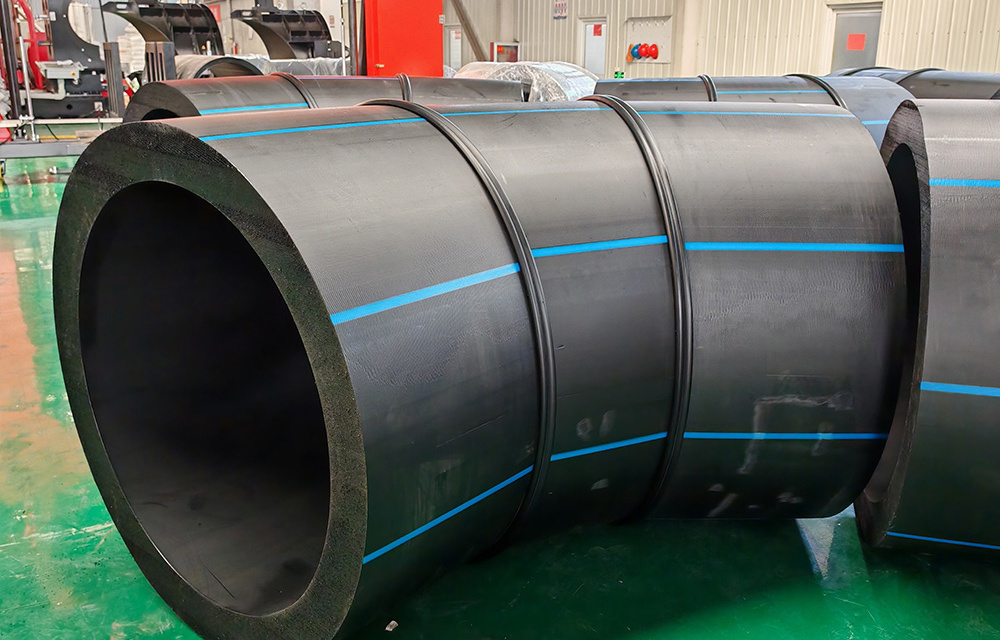
Moreover, HDPE pipes are known for their flexibility and lightweight nature, which facilitates easier transportation and installation. The flexibility of HDPE allows it to bend around obstacles without the need for additional fittings, reducing the potential for leaks and ensuring a more streamlined installation process. This can not only save time during setup but also decrease labor costs associated with complex piping installations.
Another significant benefit of HDPE pipes is their thermal efficiency. These pipes have low thermal conductivity, which minimizes heat loss during the transfer of geothermal energy. As a result, they enhance the overall efficiency of the geothermal system, leading to improved energy savings and a more sustainable operation. This thermal efficiency is essential for maximizing the performance of geothermal heat pumps, which rely on effective heat exchange between the ground and the building.
Furthermore, HDPE pipes are also highly versatile and suitable for a variety of geothermal applications. They can be used for both ground loop systems, where the pipes are buried underground, and for surface applications, depending on the specific requirements of the project. This adaptability makes HDPE an excellent choice for residential, commercial, and industrial geothermal systems alike.
In addition to their performance benefits, HDPE pipes are also environmentally friendly. They are made from recyclable materials, contributing to a more sustainable construction process. As more projects aim to reduce their carbon footprint, the use of HDPE pipes in geothermal systems aligns well with eco-friendly initiatives.
In conclusion, HDPE pipes are a superior choice for geothermal systems due to their durability, flexibility, thermal efficiency, and environmental benefits. Whether you are planning a new geothermal installation or upgrading an existing system, considering HDPE pipes can lead to enhanced performance and longevity of your geothermal energy project. By leveraging the advantages of this material, you can ensure a reliable and efficient energy solution for years to come.

Customer Service Hotline
Sales Department Email
Website (Web)
Customer Service Email
Business Cooperation Email
Address
No.32 Donghai Road, Cangzhou Development Zone, Hebei Province, China
Company Address
No. 32 Donghai Road, Cangzhou Development Zone, Hebei Province, China