


12
2026
-
01
Understanding HDPE Pipes for Pipe Jacking: A Comprehensive Guide
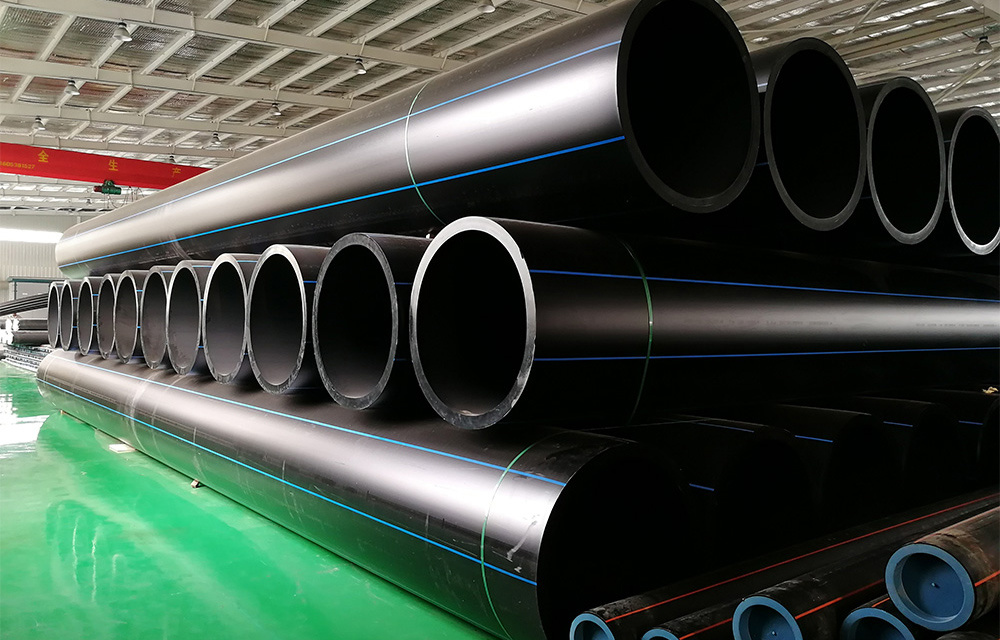
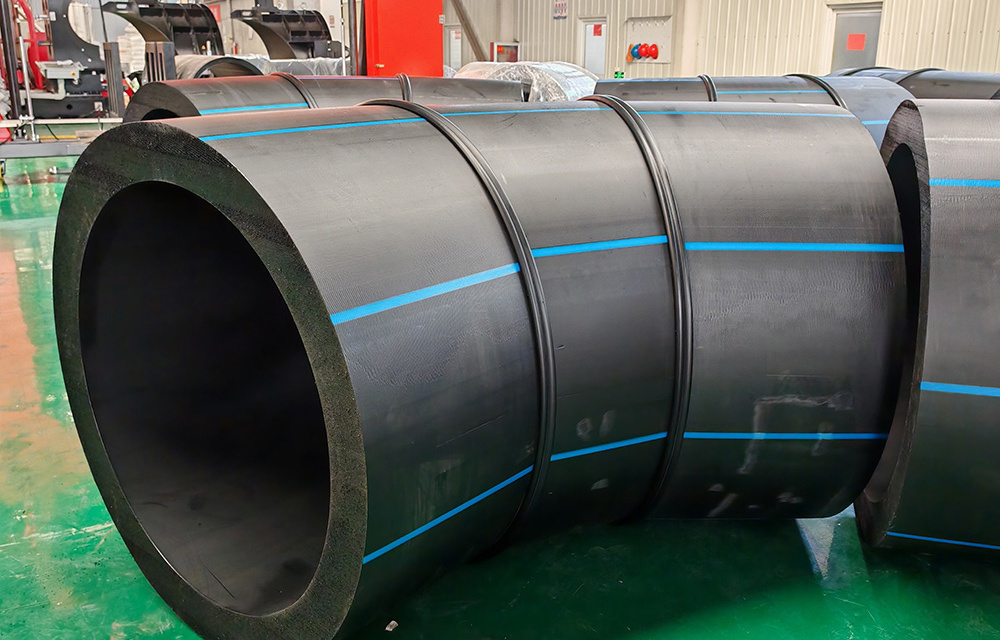
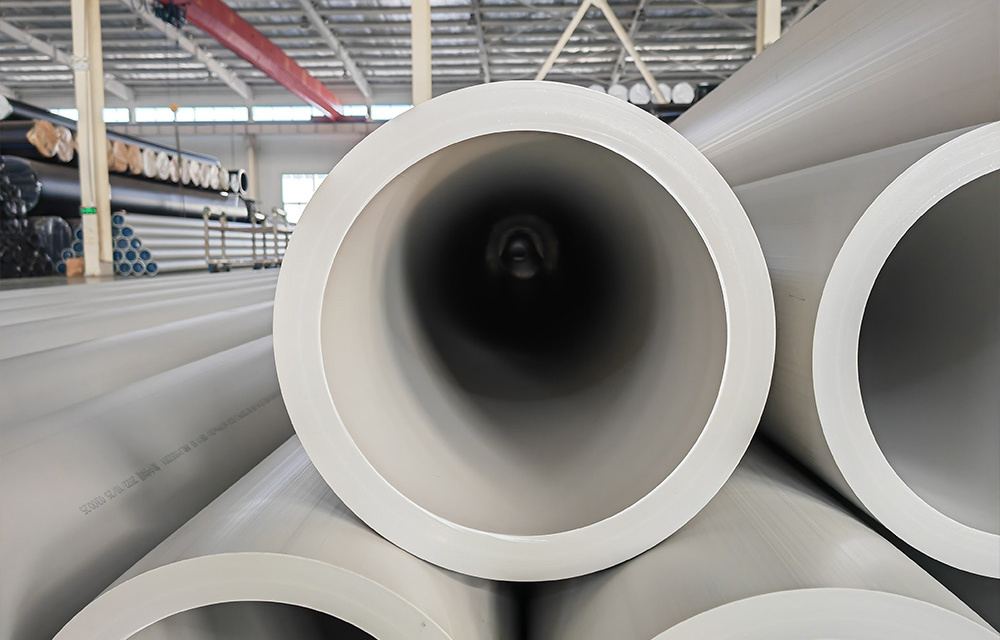
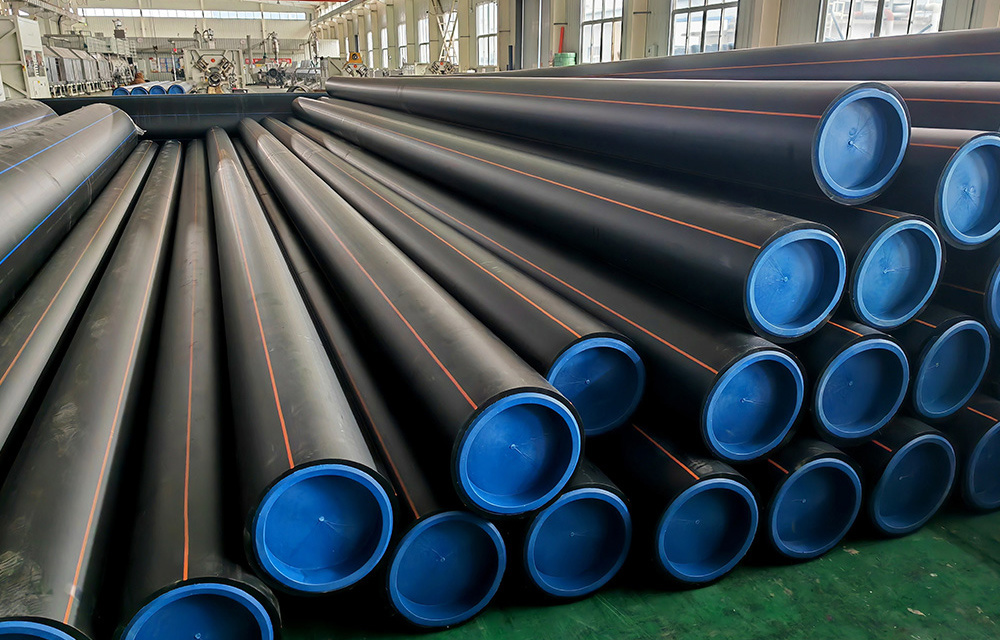
High-Density Polyethylene (HDPE) pipes have emerged as a favored choice in modern pipe jacking applications, primarily due to their superior mechanical properties, resistance to corrosion, and flexibility. Pipe jacking is a trenchless construction method used for installing pipelines, and the utilization of HDPE pipes in this process offers numerous advantages that enhance efficiency and sustainab
One of the primary benefits of HDPE pipes in pipe jacking is their strength-to-weight ratio. HDPE pipes are lightweight yet incredibly strong, allowing for easier handling and installation, reducing the risks associated with heavy materials. This characteristic is particularly beneficial in urban environments where space and access may be limited. Furthermore, the smooth inner surface of HDPE pipes minimizes friction, facilitating easier movement through the jacking process and allowing for faster installation times.
Another significant attribute of HDPE pipes is their exceptional resistance to chemical corrosion and environmental stress. Unlike traditional materials such as concrete or metal, HDPE is impervious to a wide range of chemicals and soil conditions, making it an ideal choice for transporting various liquids, including wastewater and industrial effluents. This resistance extends the lifespan of the pipes, reducing the need for frequent replacements and maintenance, which ultimately translates to cost savings and reduced environmental impact.
HDPE pipes are also known for their flexibility, which is crucial during the pipe jacking process. The ability to bend without breaking allows these pipes to navigate around obstacles and conform to the geological conditions of the installation site. This flexibility, combined with their durability, ensures that HDPE pipes can withstand the pressure and stresses encountered during installation and throughout their operational life.
In addition to these technical advantages, HDPE pipes contribute to sustainability efforts. Their long lifespan and recyclability make them an eco-friendly option compared to traditional materials. As industries increasingly prioritize sustainable practices, the adoption of HDPE pipes aligns with global initiatives aimed at reducing environmental footprints.
In conclusion, HDPE pipes play a pivotal role in the efficiency and effectiveness of pipe jacking operations. Their lightweight nature, chemical resistance, flexibility, and sustainability make them a superior choice for a variety of applications across different sectors. As technologies and methodologies in the construction industry continue to evolve, HDPE pipes are poised to remain at the forefront, offering innovative solutions for underground infrastructure development.

Customer Service Hotline
Sales Department Email
Website (Web)
Customer Service Email
Business Cooperation Email
Address
No.32 Donghai Road, Cangzhou Development Zone, Hebei Province, China
Company Address
No. 32 Donghai Road, Cangzhou Development Zone, Hebei Province, China