


06
2026
-
01
Understanding HDPE Pipes for Effective Landfill Leachate Management
--- High-Density Polyethylene (HDPE) pipes have become an essential component in the management of landfill leachate, offering durability and chemical resistance that are vital for effective leachate management systems. Leachate, the liquid that drains or 'leaches' from a landfill, can be highly toxic and is a leading concern for environmental protection. Thus, selecting the appropriate piping mat
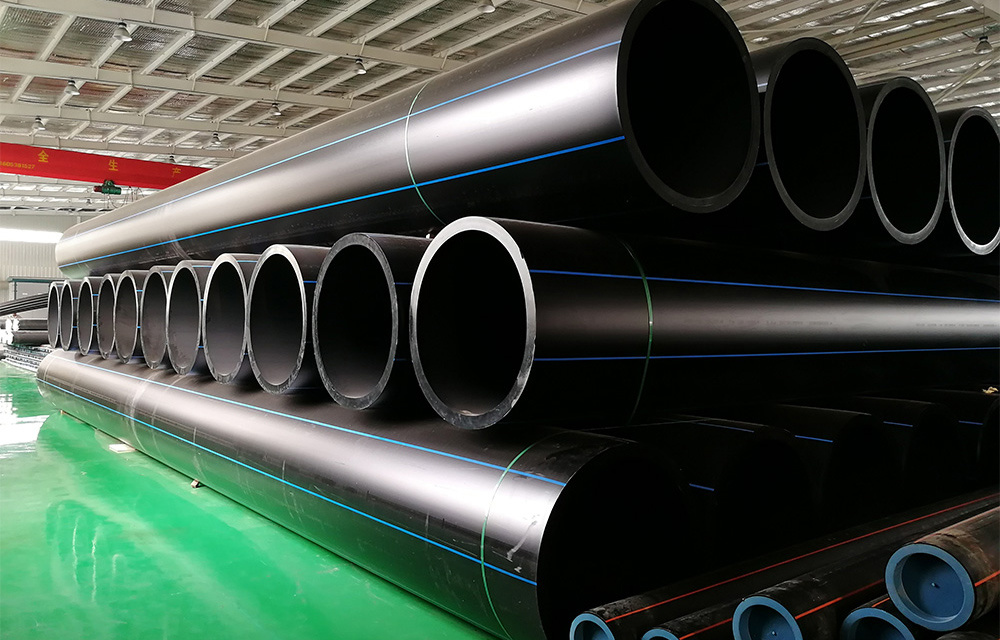
High-Density Polyethylene (HDPE) pipes have become an essential component in the management of landfill leachate, offering durability and chemical resistance that are vital for effective leachate management systems. Leachate, the liquid that drains or 'leaches' from a landfill, can be highly toxic and is a leading concern for environmental protection. Thus, selecting the appropriate piping material is crucial for both operational efficiency and compliance with environmental regulations.
One of the key advantages of HDPE pipes is their excellent chemical resistance. Landfill leachate can contain a variety of harmful substances, including heavy metals, volatile organic compounds (VOCs), and pathogens. HDPE's resistance to corrosive chemicals allows it to maintain structural integrity and functionality over time, even when exposed to these challenging conditions. This characteristic significantly reduces the risk of leaks and prevents contamination of surrounding soil and groundwater.
In addition to its chemical resistance, HDPE is known for its exceptional strength-to-density ratio, making it suitable for underground applications. The lightweight nature of HDPE pipes facilitates easier handling and installation compared to traditional materials, such as concrete or steel, which can be cumbersome and costly. Furthermore, HDPE can be installed using trenchless technology, minimizing disruption to the landfill site and surrounding areas.
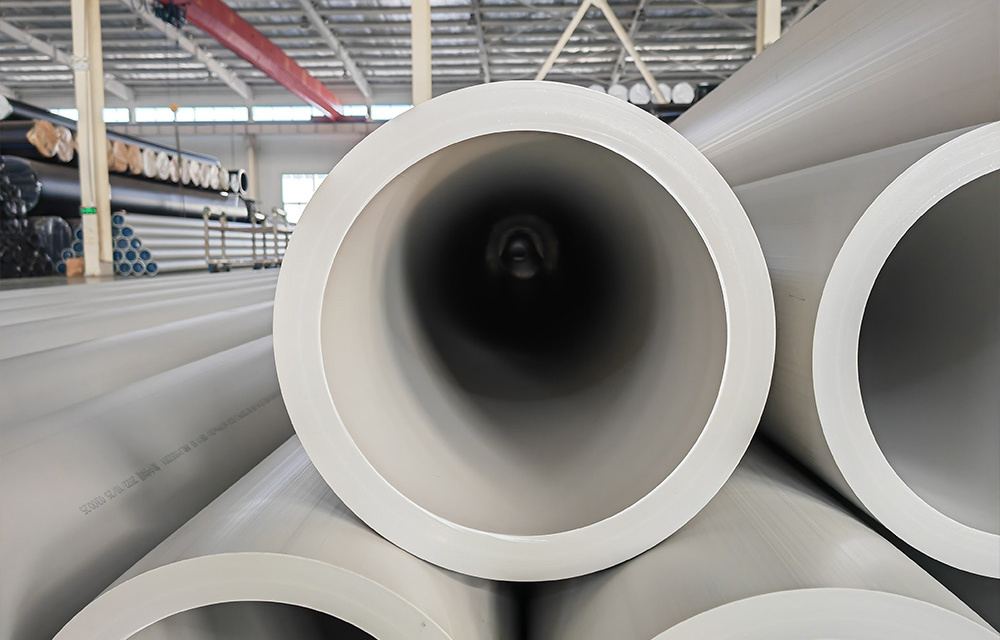
Another important consideration is the longevity of HDPE pipes. These pipes have a lifespan of 50 years or more when properly installed and maintained, which translates into lower long-term costs for landfill operators. The smooth interior surface of HDPE pipes also reduces friction, ensuring efficient flow and minimizing the risk of blockages in leachate collection systems.
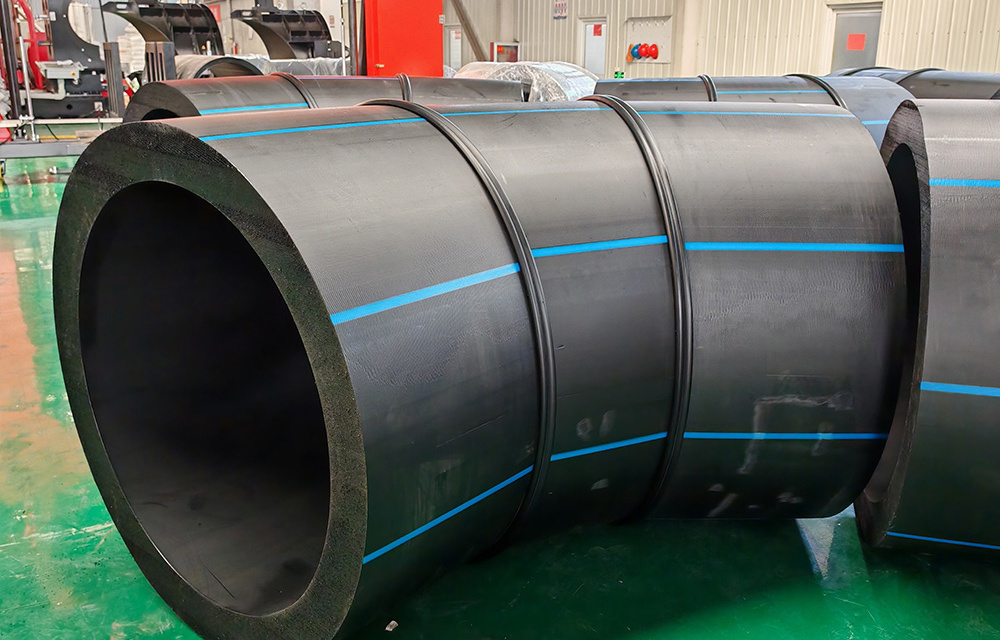
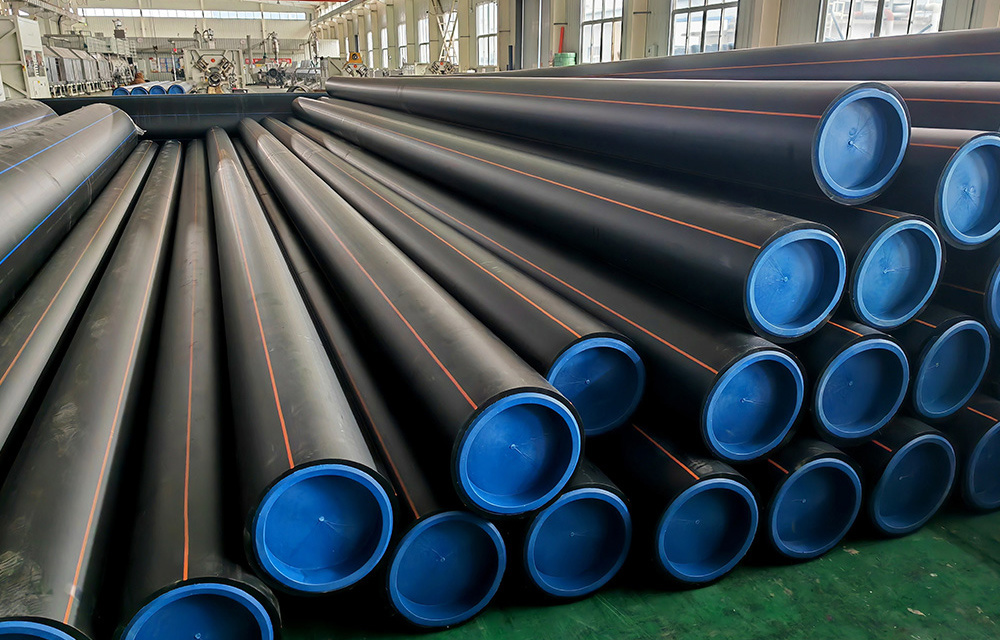
In terms of design, HDPE pipes are available in various diameters and configurations, making them adaptable for different landfill sizes and leachate flow rates. This versatility, combined with the ability to fuse joints thermally, ensures a leak-free system that is critical for preventing environmental hazards.
Moreover, as regulations around waste management continue to tighten, utilizing HDPE pipes can help landfill operators meet compliance standards more effectively. The installation of reliable leachate management systems not only safeguards the environment but also enhances the landfill’s operational efficiency and sustainability.
In conclusion, HDPE pipes represent a robust solution for managing landfill leachate. Their chemical resistance, durability, and ease of installation position them as the leading choice for professionals in the industrial equipment and piping sectors. As landfill operations face increasing scrutiny, investing in quality HDPE piping systems is not only a smart operational decision but also a vital step towards environmental stewardship.

Customer Service Hotline
Sales Department Email
Website (Web)
Customer Service Email
Business Cooperation Email
Address
No.32 Donghai Road, Cangzhou Development Zone, Hebei Province, China
Company Address
No. 32 Donghai Road, Cangzhou Development Zone, Hebei Province, China