


07
2026
-
01
Top Reasons HDPE Pipes Are Ideal for Pipe Jacking Applications
Top Reasons HDPE Pipes Are Ideal for Pipe Jacking Applications Introduction to Pipe Jacking and HDPE Pipes In the world of civil engineering and construction, **pipe jacking** has emerged as a crucial technique for underground installations. It allows for the placement of pipes without extensive surface disruption. Among the materials used for this method, **High-Density Polyethylene (HDPE)** pipe
Top Reasons HDPE Pipes Are Ideal for Pipe Jacking Applications
Introduction to Pipe Jacking and HDPE Pipes
In the world of civil engineering and construction, **pipe jacking** has emerged as a crucial technique for underground installations. It allows for the placement of pipes without extensive surface disruption. Among the materials used for this method, **High-Density Polyethylene (HDPE)** pipes stand out due to their exceptional properties. Understanding why HDPE pipes are ideal for pipe jacking applications can significantly influence project outcomes, reducing costs while enhancing structural integrity.
What is Pipe Jacking?
Pipe jacking is a trenchless construction method employed for the installation of pipelines beneath the surface. It involves the use of hydraulic jacks to push pipes through the soil, minimizing disruption above ground. This method is particularly advantageous in urban areas or sensitive environments where traditional excavation would cause significant challenges.
How Pipe Jacking Works
The pipe jacking process begins with a launching shaft, where the HDPE pipes are loaded into place. Hydraulic jacks then exert force to push the pipe forward through a borehole. As the pipe progresses, soil is simultaneously removed using augers or other devices to create an adequate pathway. This efficient technique reduces project timelines and minimizes environmental impact.
Why Choose HDPE Pipes for Pipe Jacking?
HDPE pipes offer a multitude of advantages that make them the preferred choice for pipe jacking applications. Here are the top reasons:
1. Exceptional Durability
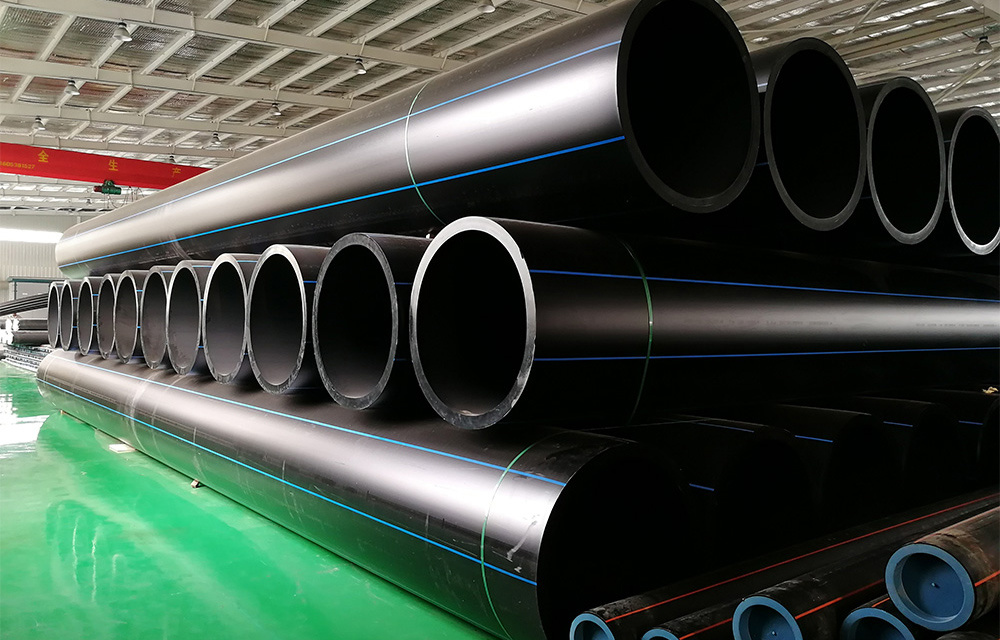
HDPE pipes are known for their **high tensile strength** and impact resistance. This durability allows them to withstand the harsh conditions often encountered during pipe jacking, including soil pressure and abrasive materials. Their resilience ensures a longer lifespan, reducing the need for frequent repairs or replacements.
2. Corrosion Resistance
Unlike traditional materials such as metal or concrete, HDPE pipes exhibit excellent resistance to corrosion and chemical degradation. This property is especially beneficial in environments where the pipes may encounter aggressive soil or wastewater. Consequently, this resistance leads to lower maintenance costs and enhanced reliability.
3. Lightweight and Easy to Handle
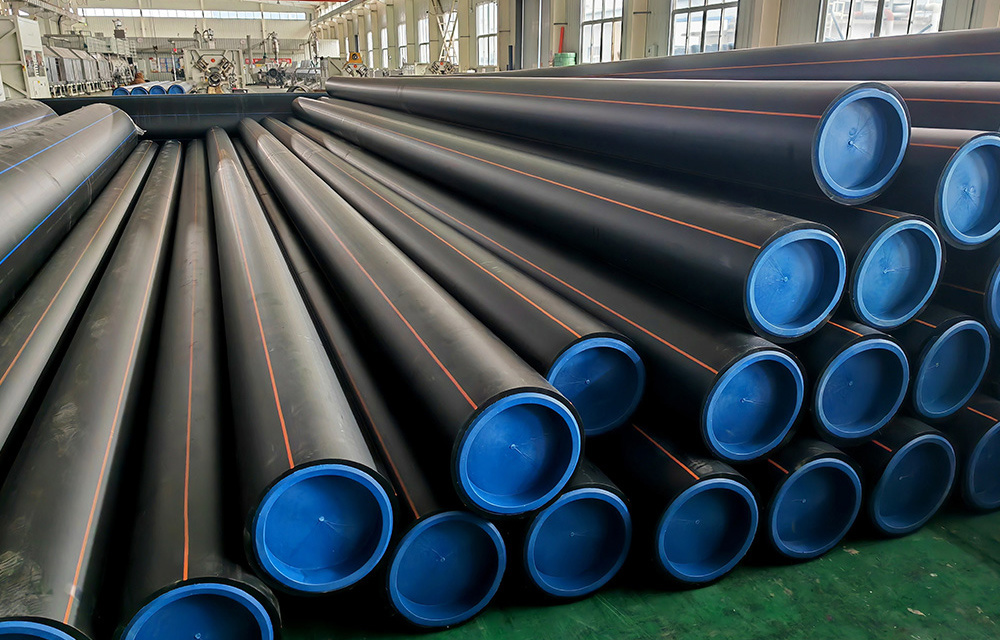
Another significant advantage of HDPE pipes is their lightweight nature. Compared to concrete or steel pipes, HDPE pipes are easier to transport, handle, and install. This feature not only speeds up the installation process but also reduces labor costs associated with heavy lifting and manipulation.
4. Flexibility and Joint Integrity
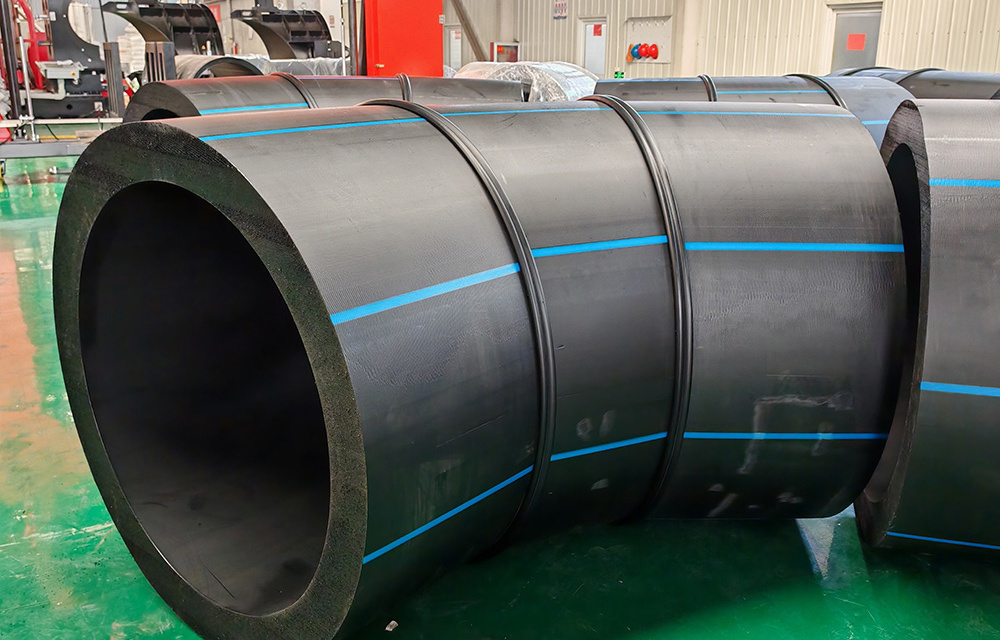
HDPE pipes possess remarkable flexibility, allowing them to conform to the natural movement of the ground without suffering from stress fractures. Additionally, the seamless jointing technology used in HDPE installations ensures leak-free connections, providing peace of mind regarding the integrity of the pipeline.
4.1 Jointing Techniques for HDPE Pipes
There are several methods for joining HDPE pipes, including **electrofusion**, **butt fusion**, and **socket fusion**. Each technique provides robust joint integrity, essential for maintaining the pipeline’s performance in pipe jacking applications.
5. Cost-Effectiveness
While the initial investment for HDPE pipes may be comparable to traditional materials, the long-term savings are significant. Their durability, minimal maintenance requirements, and ease of installation contribute to reduced overall project costs. Additionally, less disruption to the surrounding environment can lead to savings in restoration efforts.
6. Environmental Considerations
The use of HDPE pipes aligns with sustainable construction practices. Their longevity reduces the frequency of replacements, and their recyclability minimizes waste. Furthermore, the trenchless method of pipe jacking significantly reduces surface disruption, preserving local ecosystems and urban landscapes.
Applications of HDPE Pipes in Pipe Jacking
HDPE pipes are versatile and can be utilized in various applications within pipe jacking:
1. Wastewater and Stormwater Management
HDPE pipes are extensively used for the installation of sewer and stormwater systems. Their chemical resistance and durability make them ideal for handling aggressive wastewater environments.
2. Water Distribution Systems
In municipal water systems, HDPE pipes provide reliable service for transporting potable water. Their flexibility allows for efficient layouts that can adapt to changing ground conditions.
3. Telecommunications and Electrical Ducts
HDPE pipes are often employed for installing telecommunications and electrical conduits. Their protective properties safeguard sensitive cables from environmental damage.
Challenges and Solutions in HDPE Pipe Jacking
While HDPE pipes are highly advantageous, specific challenges can arise during the pipe jacking process.
1. Soil Conditions
Diverse soil conditions can impact the jacking process. Understanding the geology of the installation site is crucial. Utilizing advanced soil analysis and monitoring techniques can help mitigate potential issues.
2. Jacking Forces
Determining the right amount of jacking force is essential to prevent damage to the pipes. Engineers must carefully calculate the necessary forces based on pipe dimensions and soil type to ensure a smooth installation.
Best Practices for Successful Pipe Jacking with HDPE
To maximize the effectiveness of HDPE pipes in pipe jacking applications, following best practices is essential.
1. Pre-Installation Testing
Conduct thorough pre-installation testing to assess soil conditions and identify potential challenges. This step will help engineers design appropriate solutions and strategies for the project.
2. Proper Equipment Selection
Using the right equipment for both the pipe jacking and handling of HDPE pipes is critical. Invest in high-quality jacking equipment and tools to ensure smooth operations.
3. Skilled Workforce
Having a team of skilled professionals experienced in pipe jacking and HDPE installations will enhance project success. Continuous training and adherence to safety protocols are vital.
Conclusion
In summary, HDPE pipes offer a plethora of benefits that make them the ideal choice for pipe jacking applications. Their durability, resistance to corrosion, lightweight nature, and cost-effectiveness contribute significantly to the efficiency and success of pipeline installations. As urban infrastructure continues to evolve, embracing HDPE technology will undoubtedly lead to improved outcomes in construction projects. By understanding and implementing best practices, engineers can harness the full potential of HDPE pipes, ensuring sustainable and reliable pipeline systems for the future.
FAQs About HDPE Pipes and Pipe Jacking
1. What makes HDPE pipes suitable for trenchless technology?
HDPE pipes are lightweight, flexible, and durable, making them ideal for trenchless methods like pipe jacking, which minimizes surface disruption.
2. Can HDPE pipes be used for both potable water and wastewater applications?
Yes, HDPE pipes are versatile and can be used for both potable water distribution and wastewater management due to their corrosion resistance and durability.
3. How do HDPE pipes compare to traditional materials like PVC or steel?
HDPE pipes outperform PVC and steel in terms of flexibility, impact resistance, and long-term cost-effectiveness, making them a superior choice for many applications.
4. What are the environmental benefits of using HDPE pipes?
HDPE pipes are recyclable and have a long lifespan, leading to reduced waste. Their installation via trenchless methods also minimizes environmental disruption.
5. How can I ensure the successful installation of HDPE pipes using pipe jacking?
Successful installation relies on thorough pre-installation testing, proper equipment selection, and a skilled workforce knowledgeable in pipe jacking techniques.

Customer Service Hotline
Sales Department Email
Website (Web)
Customer Service Email
Business Cooperation Email
Address
No.32 Donghai Road, Cangzhou Development Zone, Hebei Province, China
Company Address
No. 32 Donghai Road, Cangzhou Development Zone, Hebei Province, China