


05
2026
-
01
The Role of HDPE Pipe in Efficient Geothermal System Design
The Role of HDPE Pipe in Efficient Geothermal System Design Table of Contents Introduction to Geothermal Systems and HDPE Pipes Understanding HDPE Pipes and Their Properties Advantages of Using HDPE Pipes in Geothermal Applications Design Considerations for Geothermal Systems Installation Best Practices for HDPE Pipes Maintenance of HDPE Pipe in Geothermal Systems Case Studies:
The Role of HDPE Pipe in Efficient Geothermal System Design
Table of Contents
- Introduction to Geothermal Systems and HDPE Pipes
- Understanding HDPE Pipes and Their Properties
- Advantages of Using HDPE Pipes in Geothermal Applications
- Design Considerations for Geothermal Systems
- Installation Best Practices for HDPE Pipes
- Maintenance of HDPE Pipe in Geothermal Systems
- Case Studies: Successful Implementations of HDPE Pipes
- Future Trends in Geothermal System Design
- Conclusion
- Frequently Asked Questions
Introduction to Geothermal Systems and HDPE Pipes
Geothermal energy is increasingly recognized as a sustainable and reliable energy source. It harnesses the natural heat from the Earth, providing an efficient heating and cooling solution for various applications. One pivotal component of geothermal systems is the piping infrastructure that facilitates heat exchange between the ground and the building. **High-Density Polyethylene (HDPE) pipes** have emerged as a preferred choice in this sector due to their unique properties and benefits. This article delves into the critical role HDPE pipes play in the design of efficient geothermal systems, addressing their advantages, installation, maintenance, and the future landscape of geothermal energy utilization.
Understanding HDPE Pipes and Their Properties
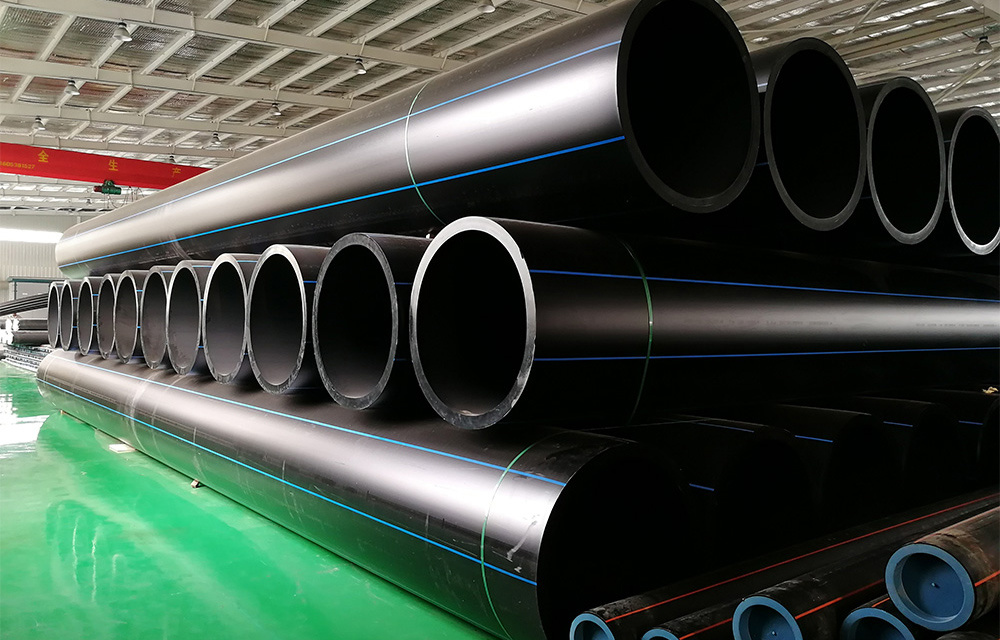
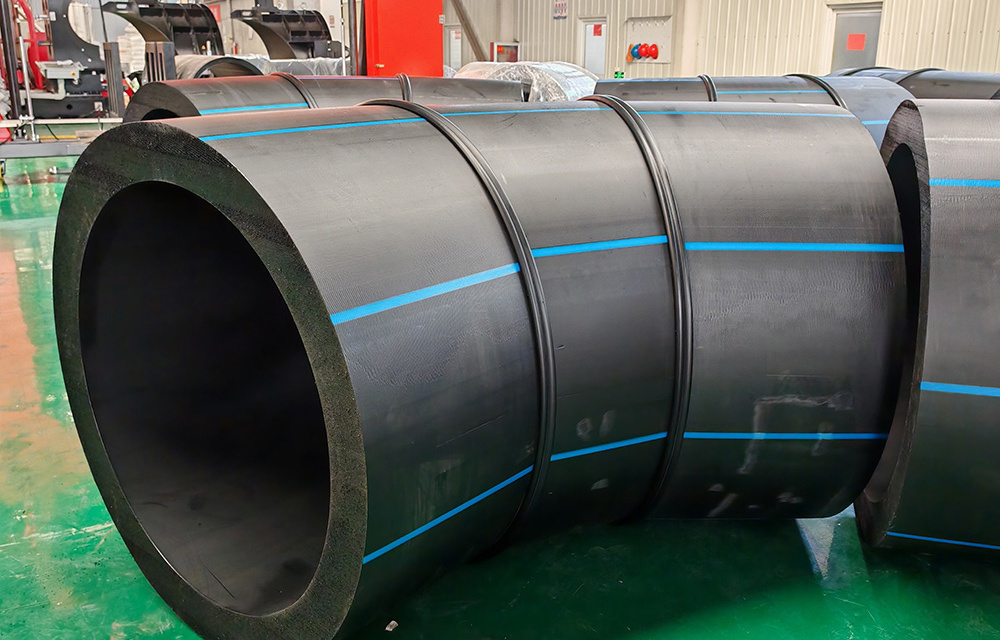
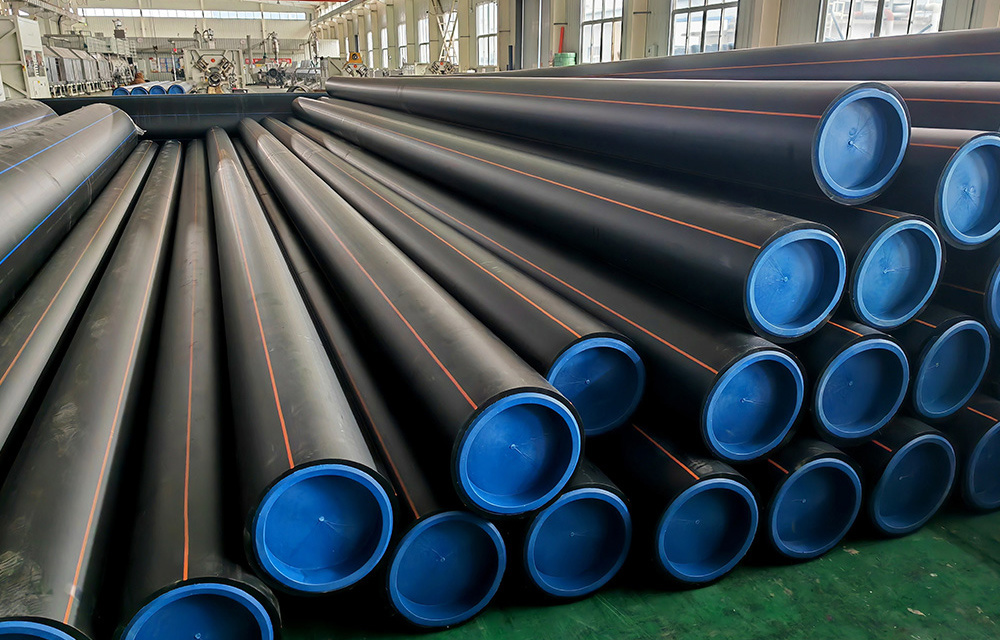
HDPE pipes are made from a thermoplastic polymer known for its high strength-to-density ratio, making them suitable for various applications, particularly in demanding environments like geothermal systems. Some key properties include:
Durability and Longevity
HDPE pipes are highly resistant to corrosion, abrasion, and chemical degradation, which is essential for geothermal applications where various soil and water conditions exist. Their lifespan can exceed 50 years with appropriate installation and maintenance.
Flexibility and Lightweight
The flexibility of HDPE allows for easy installation, especially in challenging terrains and tight spaces. Furthermore, their lightweight nature reduces transportation costs and simplifies handling during installation.
Low Friction Loss and High Flow Capacity
The smooth inner surface of HDPE pipes minimizes friction loss, improving the overall efficiency of fluid transport in geothermal systems. This feature supports effective heat transfer and energy conservation.
Environmental Impact
HDPE is recyclable and has a lower carbon footprint compared to other piping materials. Choosing HDPE contributes to more sustainable geothermal solutions, aligning with the global push for eco-friendly practices.
Advantages of Using HDPE Pipes in Geothermal Applications
The choice of HDPE pipes in geothermal system design offers several advantages that enhance system efficiency:
Enhanced Thermal Efficiency
The thermal conductivity of HDPE, combined with efficient installation techniques, ensures optimal heat exchange between the ground and the building. This property directly translates into reduced energy consumption and lower utility bills.
Resilience Against Environmental Factors
HDPE pipes can withstand extreme temperatures and varying soil conditions, making them ideal for geothermal applications. Their resistance to freeze-thaw cycles and ground movement ensures system reliability and longevity.
Cost-Effectiveness
While the initial investment in HDPE pipes may be higher than other materials, their durability and low maintenance requirements result in lower total lifecycle costs. Additionally, the efficiency gains from using HDPE can lead to significant savings in energy costs.
Ease of Installation and Repair
The flexibility of HDPE allows for trenchless installation methods, reducing excavation costs and minimizing disruption to the surrounding environment. In case of repairs, HDPE pipes can be easily fused together, ensuring a seamless connection without joints that could lead to leaks.
Design Considerations for Geothermal Systems
When designing geothermal systems that incorporate HDPE pipes, several key factors should be considered to maximize efficiency:
System Sizing
Properly sizing the geothermal system is crucial for effective performance. This involves calculating the heating and cooling loads of the building and determining the appropriate length and diameter of HDPE pipes needed to meet these demands.
Ground Conditions
Understanding the geological conditions of the installation site is essential. Soil type, moisture levels, and thermal conductivity significantly influence the performance of geothermal systems. HDPE pipes should be selected based on these factors to ensure optimal heat transfer.
Pipe Configuration
The configuration of HDPE pipes, whether vertical or horizontal, impacts the system's efficiency. Horizontal configurations often require longer pipe lengths, while vertical installations can save space and enhance heat exchange efficiency.
Fluid Selection
The choice of heat transfer fluid is also critical. Water is commonly used, but additives may be necessary in certain environments to prevent freezing or enhance thermal conductivity.
Installation Best Practices for HDPE Pipes
To ensure the long-term performance of HDPE pipes in geothermal systems, it is essential to follow best practices during installation:
Site Preparation
Thorough site assessment and preparation are vital. This includes clearing debris, grading the site, and performing soil tests to understand the conditions where the pipes will be laid.
Trenching Techniques
For traditional installations, adopting proper trenching techniques ensures that the HDPE pipes are laid at the optimal depth and angle. Minimizing sharp bends and maintaining consistent slopes will help prevent pressure drops and enhance fluid flow.
Jointing Methods
Using fusion welding techniques provides seamless connections between HDPE pipes, which is crucial for maintaining system integrity. It is important to adhere to manufacturer guidelines to ensure proper joint formation.
Testing the System
After installation, hydrostatic testing should be conducted to ensure there are no leaks and that the system is operating at the intended pressure levels. This step is crucial for confirming the reliability and efficiency of the geothermal system.
Maintenance of HDPE Pipe in Geothermal Systems
Regular maintenance is essential to ensure the longevity and efficiency of HDPE pipes within geothermal systems:
Routine Inspections
Conducting periodic inspections helps identify any potential issues early on. This includes checking for signs of wear, inspecting joints, and ensuring that the surrounding soil conditions remain conducive to system performance.
Monitoring Performance Metrics
Keeping track of system performance metrics, such as fluid temperature and flow rates, enables operators to detect any deviations from optimal performance, prompting timely interventions as needed.
Addressing Issues Promptly
If any leaks or performance issues are identified during inspections or monitoring, addressing them promptly is critical. The ease of repair associated with HDPE pipes allows for quick resolutions, minimizing downtime and system inefficiency.
Case Studies: Successful Implementations of HDPE Pipes
Several successful implementations of HDPE pipes in geothermal systems serve as exemplary models:
Case Study 1: Residential Geothermal Heating System
In a residential setting, an HDPE geothermal system was installed to provide efficient heating and cooling. The project utilized vertical boreholes with HDPE pipes, resulting in significant energy savings and a reduced carbon footprint for the homeowner.
Case Study 2: Commercial Geothermal Installation
A commercial facility adopted HDPE pipes in its geothermal heating system, leading to lower operational costs. The flexibility of HDPE allowed for a customized installation that maximized space and efficiency, demonstrating the material’s adaptability in different applications.
Future Trends in Geothermal System Design
As technology advances and the demand for sustainable energy solutions grows, several trends are shaping the future of geothermal system design:
Integration with Smart Technologies
The incorporation of smart sensors and IoT technology in geothermal systems will enhance monitoring and control capabilities. These advancements will allow for real-time data analysis, ensuring optimal performance and energy efficiency.
Hybrid Systems
The integration of geothermal systems with other renewable energy sources, such as solar or wind, is expected to become more prevalent. This hybrid approach will maximize energy production and offer more robust solutions for various applications.
Innovations in HDPE Materials
Research into new HDPE composites may lead to enhanced performance properties, further optimizing their use in geothermal systems. Innovations could result in even greater durability, flexibility, and thermal efficiency.
Conclusion
In summary, HDPE pipes play a pivotal role in the design and efficiency of geothermal systems. Their unique properties, including durability, flexibility, and environmental sustainability, make them an ideal choice for enhancing geothermal energy solutions. By understanding the advantages of HDPE, adhering to best installation practices, and committing to regular maintenance, stakeholders can ensure optimal system performance and longevity. As the push for renewable energy solutions accelerates, the integration of HDPE pipes in geothermal systems will undoubtedly continue to grow, paving the way for more efficient and sustainable energy practices.
Frequently Asked Questions
1. What are HDPE pipes used for in geothermal systems?
HDPE pipes are used to facilitate the heat exchange process between the ground and the geothermal heat pump, providing an efficient means of heating and cooling.
2. How long do HDPE pipes last in geothermal applications?
With proper installation and maintenance, HDPE pipes can last over 50 years, making them a durable choice for geothermal systems.
3. Are HDPE pipes environmentally friendly?
Yes, HDPE pipes are recyclable and have a lower carbon footprint compared to many other piping materials, which contributes to the sustainability of geothermal systems.
4. What is the installation process for HDPE pipes in geothermal systems?
The installation process involves site preparation, trenching, laying the pipes, joining them using fusion techniques, and testing the system for leaks and performance.
5. How can I maintain HDPE pipes in my geothermal system?
Regular inspections, monitoring performance metrics, and promptly addressing any issues are key to maintaining HDPE pipes in geothermal systems.

Customer Service Hotline
Sales Department Email
Website (Web)
Customer Service Email
Business Cooperation Email
Address
No.32 Donghai Road, Cangzhou Development Zone, Hebei Province, China
Company Address
No. 32 Donghai Road, Cangzhou Development Zone, Hebei Province, China