


02
2026
-
01
Understanding the Role of HDPE Pipes in Pipe Jacking: A Comprehensive Guide
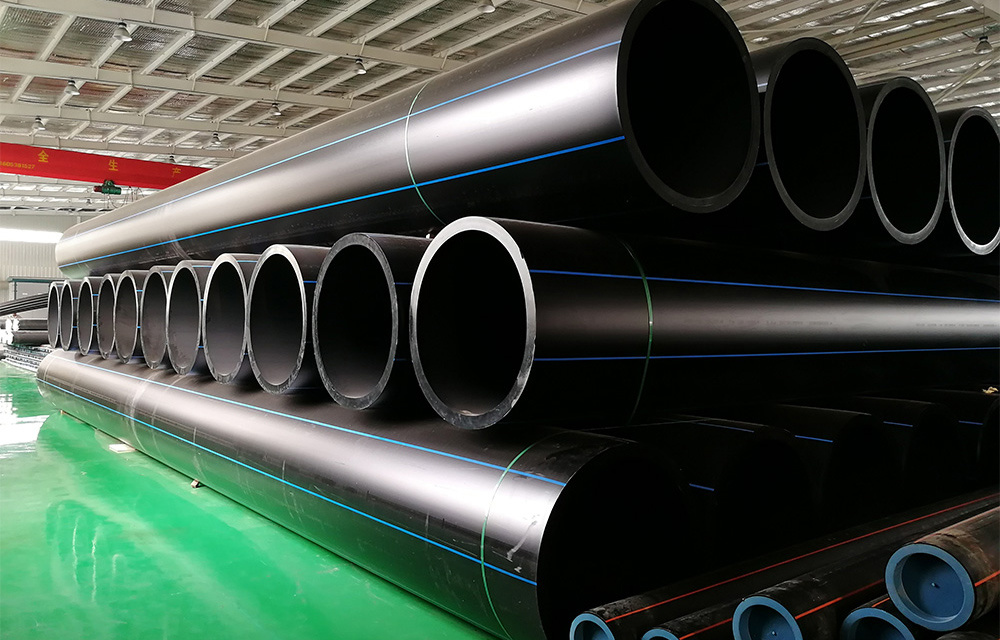
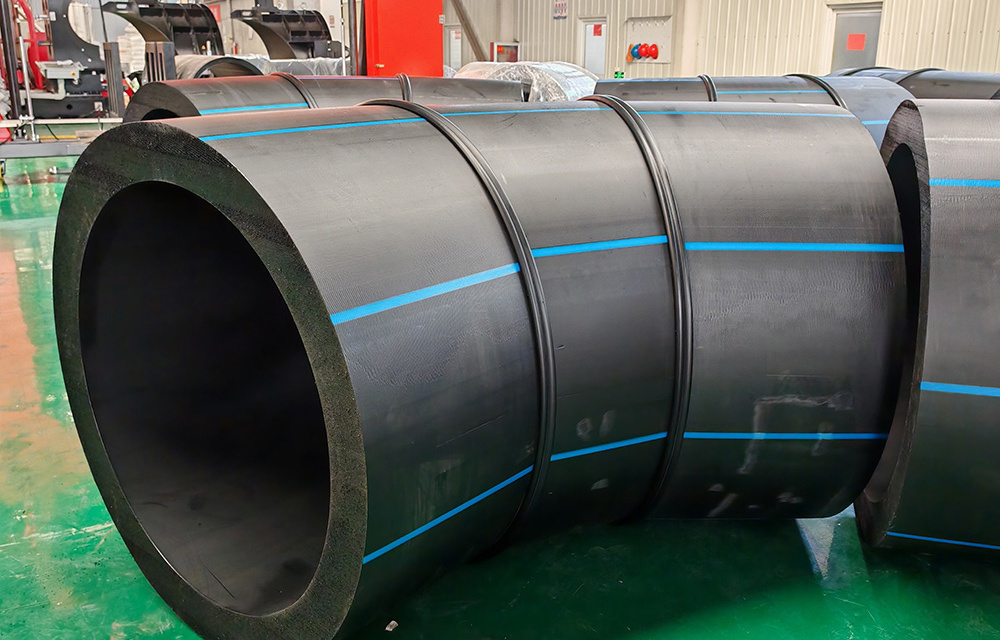
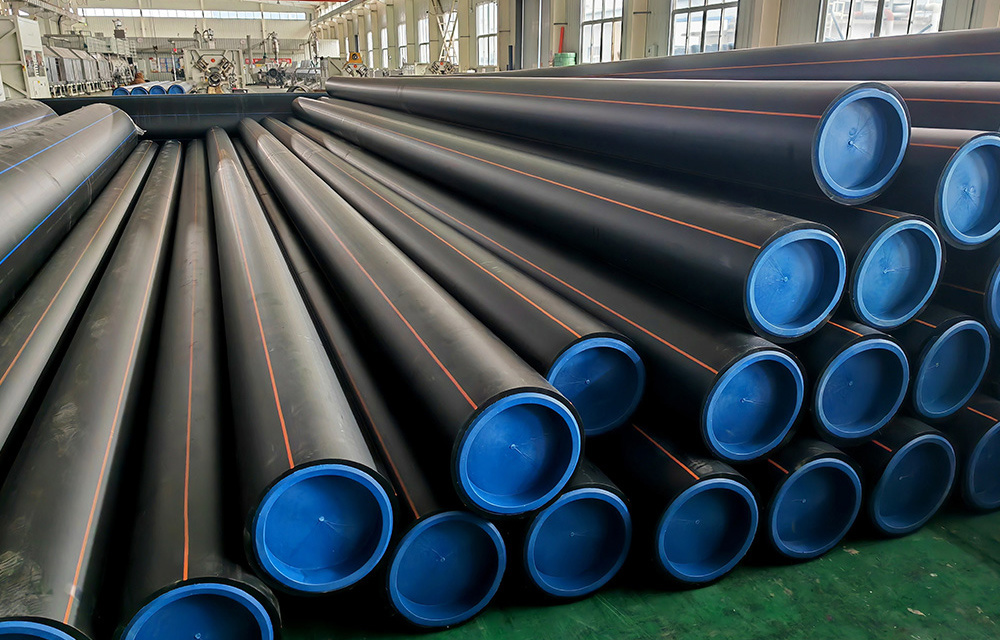
In the realm of industrial equipment and components, HDPE (High-Density Polyethylene) pipes have emerged as a preferred choice for pipe jacking applications. Pipe jacking is a method used to install pipelines underground without the need for extensive excavation, making it a cost-effective and efficient technique, especially in urban environments. The use of HDPE pipes in this process brings numer
One of the primary benefits of HDPE pipes is their high resistance to corrosion and chemical damage. This characteristic is particularly important in pipe jacking, where the pipes are often subjected to harsh underground conditions. Unlike traditional materials such as metal or concrete, HDPE is immune to most corrosive substances, ensuring longevity and reducing maintenance costs.
Furthermore, HDPE pipes exhibit excellent flexibility and tensile strength, which is crucial during the jacking process. The ability to bend without breaking allows HDPE pipes to navigate around obstacles and adapt to varying underground conditions. This flexibility can significantly minimize the risk of damage during installation, ensuring a smoother operation and reducing the chances of costly repairs post-installation.
Another aspect to consider is the lightweight nature of HDPE pipes. Compared to other materials, HDPE is considerably lighter, which simplifies handling and reduces the overall weight of the jacking system. This feature not only makes transportation easier but also lessens the load on the jacking equipment, potentially leading to improved efficiency and lower energy consumption during the installation process.
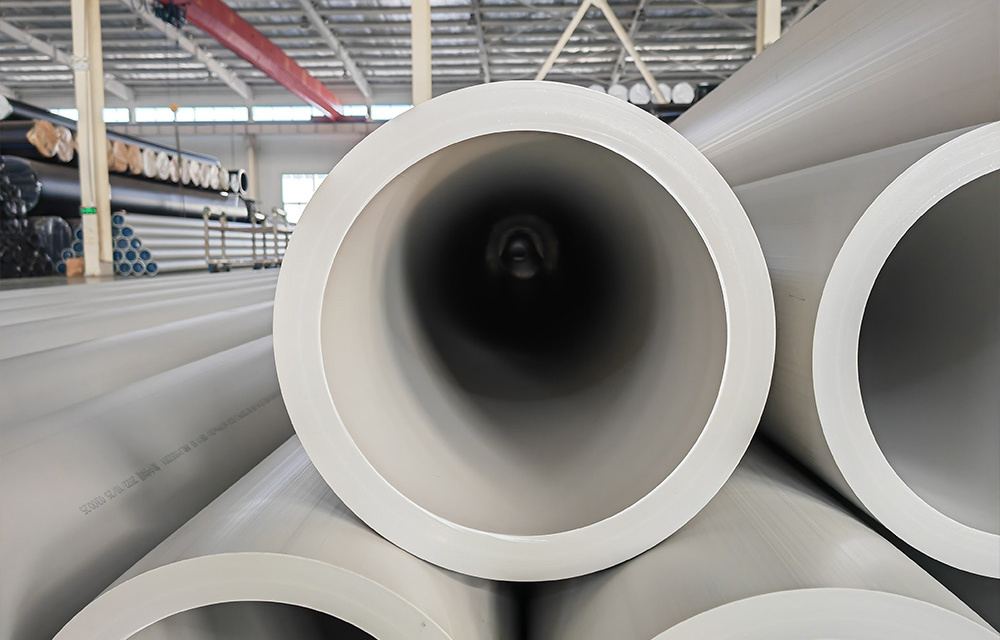
Additionally, the smooth interior surface of HDPE pipes contributes to enhanced flow characteristics. The reduced friction within the pipe allows for better fluid dynamics, which can lead to improved performance in terms of flow rates. This is especially beneficial for applications involving wastewater or stormwater management, where efficient flow is critical.
It is also essential to note that the installation of HDPE pipes often requires specific techniques and equipment tailored for pipe jacking. Proper training and understanding of the materials and methods used can greatly impact the success of the operation. Professionals must ensure that all aspects, from the choice of pipe diameter to the jacking equipment used, are compatible to achieve optimal results.
In conclusion, HDPE pipes are an excellent choice for pipe jacking applications, offering durability, flexibility, and efficiency. Their unique properties make them suitable for a variety of underground installation projects. By understanding the benefits and considerations surrounding HDPE pipes, professionals in the industrial equipment and pipeline industry can make well-informed decisions that enhance project outcomes and operational efficiency.

Customer Service Hotline
Sales Department Email
Website (Web)
Customer Service Email
Business Cooperation Email
Address
No.32 Donghai Road, Cangzhou Development Zone, Hebei Province, China
Company Address
No. 32 Donghai Road, Cangzhou Development Zone, Hebei Province, China