


01
2026
-
01
Why Choose HDPE Pipe for Efficient Landfill Leachate Control?
Why Choose HDPE Pipe for Efficient Landfill Leachate Control? Understanding Landfill Leachate and Its Dangers Landfill leachate is a liquid that forms when rainwater filters through waste material, picking up various contaminants along the way. This effluent can contain hazardous substances such as heavy metals, organic compounds, and pathogens, posing significant environmental risks. To effectiv
Why Choose HDPE Pipe for Efficient Landfill Leachate Control?
Understanding Landfill Leachate and Its Dangers
Landfill leachate is a liquid that forms when rainwater filters through waste material, picking up various contaminants along the way. This effluent can contain hazardous substances such as heavy metals, organic compounds, and pathogens, posing significant environmental risks.
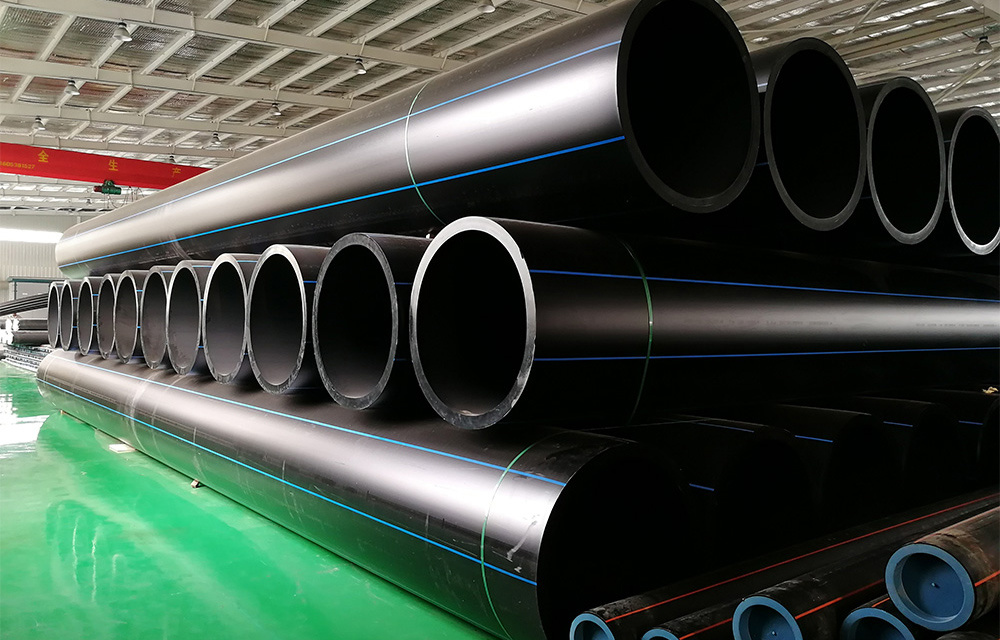
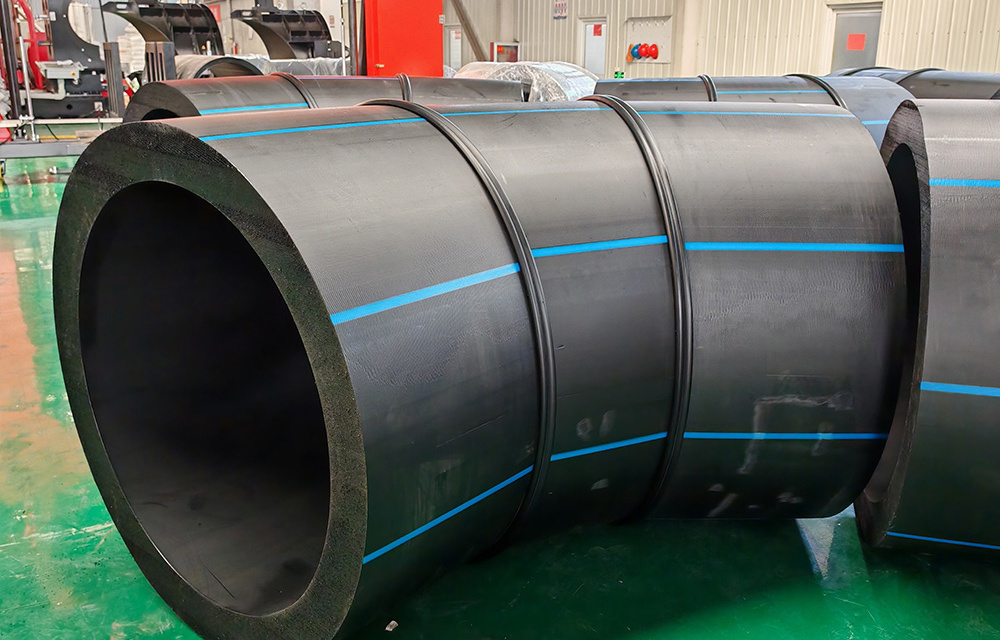
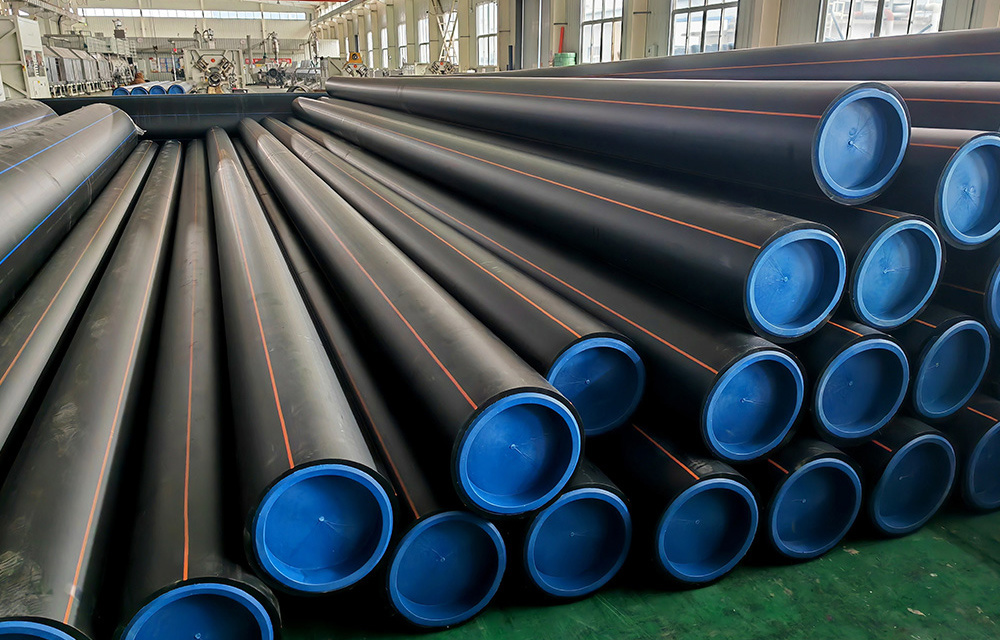
To effectively manage leachate and mitigate its harmful effects, robust piping systems are crucial. This is where **High-Density Polyethylene (HDPE) pipes** come into play. These pipes offer a superior solution for landfill leachate control, ensuring effective management and environmental protection.
The Significance of Choosing the Right Pipe Material
Selecting the appropriate piping material for landfill applications can significantly impact the efficiency and longevity of leachate management systems. Traditional materials, such as concrete and steel, have limitations that can compromise their effectiveness. In contrast, HDPE pipes provide a range of benefits that make them the go-to choice for landfill leachate control.
What Makes HDPE Pipes the Ideal Choice?
HDPE pipes stand out for their unique properties, which include:
1. Exceptional Chemical Resistance
HDPE is highly resistant to a variety of chemicals, making it an ideal choice for the aggressive nature of leachate. Unlike traditional materials that can corrode or degrade, HDPE pipes maintain their structural integrity over time, ensuring long-term efficiency.
2. High Durability and Strength
The flexibility and durability of HDPE pipes allow them to withstand harsh environmental conditions. They are less likely to crack or break under stress, making them reliable for landfill applications where ground movement can occur.
3. Lightweight and Easy to Install
HDPE pipes are considerably lighter than concrete or steel pipes, making them easier to transport and install. This reduction in labor and equipment costs significantly lowers the overall project budget.
4. Excellent Flow Characteristics
The smooth interior surface of HDPE pipes minimizes friction loss, allowing for better flow rates than traditional piping materials. This efficiency is essential in leachate collection and management, ensuring that fluids are transported effectively to treatment facilities.
5. Long Lifespan
HDPE pipes can last for decades, often exceeding 50 years of service life. This longevity reduces the need for frequent replacements, resulting in lower maintenance costs over time.
Environmental Benefits of HDPE Pipes for Leachate Control
Choosing HDPE pipes not only benefits landfill operators but also contributes positively to the environment.
Sustainability and Reduced Carbon Footprint
HDPE is made from recycled materials and itself is recyclable, promoting a more sustainable approach to waste management. The reduced energy consumption associated with the production and installation of HDPE pipes further minimizes their carbon footprint.
Leak Prevention and Groundwater Protection
The integrity of HDPE pipes ensures that leachate does not leak into the surrounding environment, which is critical for protecting groundwater resources. By preventing contamination, HDPE pipes support the health of local ecosystems and communities.
Applications of HDPE Pipes in Landfill Leachate Management
HDPE pipes are employed in various applications within landfill leachate management systems, enhancing their effectiveness and reliability.
Leachate Collection Systems
In leachate collection systems, HDPE pipes are used to collect and transport leachate from the landfill to treatment facilities. Their durability and chemical resistance ensure the safe transport of hazardous materials without risk of leakage.
Leachate Recirculation Systems
Recirculating leachate back into the landfill can enhance waste degradation and reduce the volume of leachate produced. HDPE pipes facilitate this process by allowing for efficient fluid transfer, thus optimizing landfill performance.
Drainage Systems
HDPE pipes are also utilized in drainage systems surrounding landfills to manage stormwater and prevent leachate contamination of surface water. Their lightweight properties make them ideal for installation in various terrains.
Installation and Maintenance Best Practices for HDPE Pipes
To maximize the benefits of HDPE pipes in landfill leachate management, proper installation and maintenance practices are essential.
Quality Installation Techniques
Engaging skilled professionals who understand HDPE pipe installation is crucial. They should ensure that the pipes are laid at the correct slope to facilitate drainage and that all joints are secure to prevent leaks.
1. Preparing the Trench
The trench should be free of sharp objects that could damage the pipes. Additionally, proper handling during installation minimizes stress and potential failure points.
2. Monitoring for Damage
Regular inspections of the piping system can help identify any wear and tear early on. This proactive approach minimizes the risk of major failures and costly repairs.
Long-Term Maintenance Recommendations
Maintaining the integrity of HDPE pipes is vital for successful leachate management. Regular monitoring of flow rates and visual inspections can help detect any issues before they escalate.
Cost-Effectiveness of HDPE Pipes in Landfill Applications
Investing in HDPE pipes can lead to significant cost savings over time, making them a financially prudent choice for landfill operators.
Lower Initial Costs Compared to Traditional Materials
The initial installation costs of HDPE pipes are often lower than that of concrete or steel due to reduced labor and equipment costs.
Reduced Maintenance Costs
The durability and longevity of HDPE pipes minimize the need for repairs and replacements, further driving down long-term costs.
Conclusion
In summary, High-Density Polyethylene (HDPE) pipes present a reliable and efficient solution for landfill leachate control. Their exceptional chemical resistance, durability, and ease of installation make them the ideal choice for managing the environmental risks associated with landfill leachate. By investing in HDPE piping systems, landfill operators can enhance their waste management processes while supporting sustainability and environmental protection. With a proactive approach to installation and maintenance, HDPE pipes can provide decades of reliable service, ultimately benefiting both the landfill operators and the surrounding ecosystems.
FAQs
1. What are the main advantages of HDPE pipes for leachate management?
HDPE pipes offer exceptional chemical resistance, durability, lightweight properties, excellent flow characteristics, and a long lifespan, making them ideal for landfill leachate control.
2. How do HDPE pipes protect the environment?
HDPE pipes prevent leachate leakage, protecting groundwater and surface water from contamination, and are made from recyclable materials, promoting sustainability.
3. What installation practices should be followed for HDPE pipes?
Proper trench preparation, secure joint connections, and regular inspections are crucial for the successful installation and maintenance of HDPE pipes.
4. How long can HDPE pipes last in landfill applications?
HDPE pipes can last for over 50 years when properly installed and maintained, significantly reducing the need for replacements.
5. Are there any limitations to using HDPE pipes for leachate control?
While HDPE pipes are highly effective, they may not be suitable for all environmental conditions, such as extreme temperatures or terrain; consulting with a professional is recommended.

Customer Service Hotline
Sales Department Email
Website (Web)
Customer Service Email
Business Cooperation Email
Address
No.32 Donghai Road, Cangzhou Development Zone, Hebei Province, China
Company Address
No. 32 Donghai Road, Cangzhou Development Zone, Hebei Province, China