


31
2025
-
12
Exploring the Benefits of HDPE Pipes in Geothermal Systems
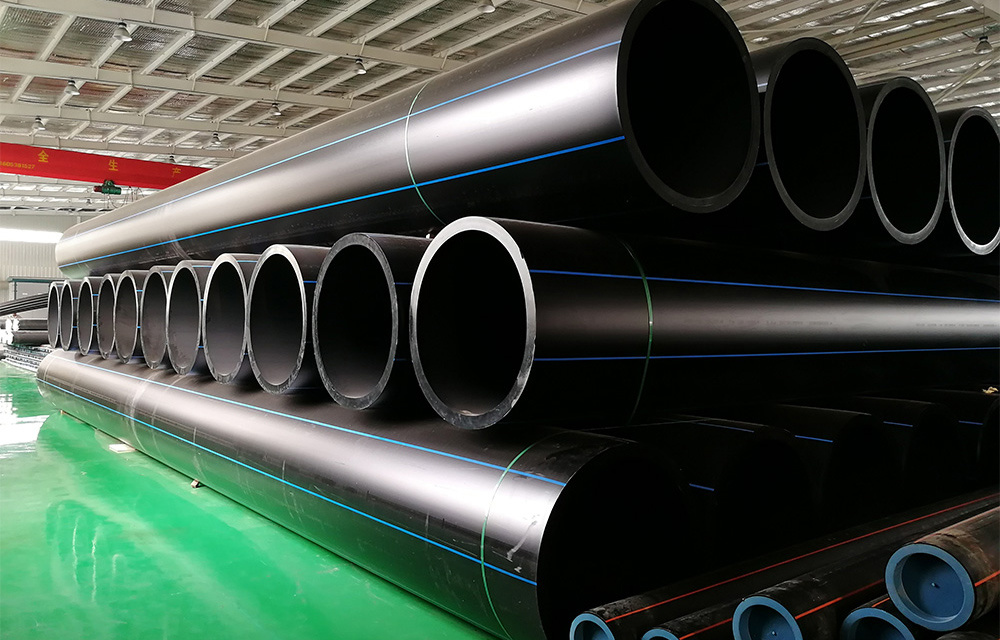
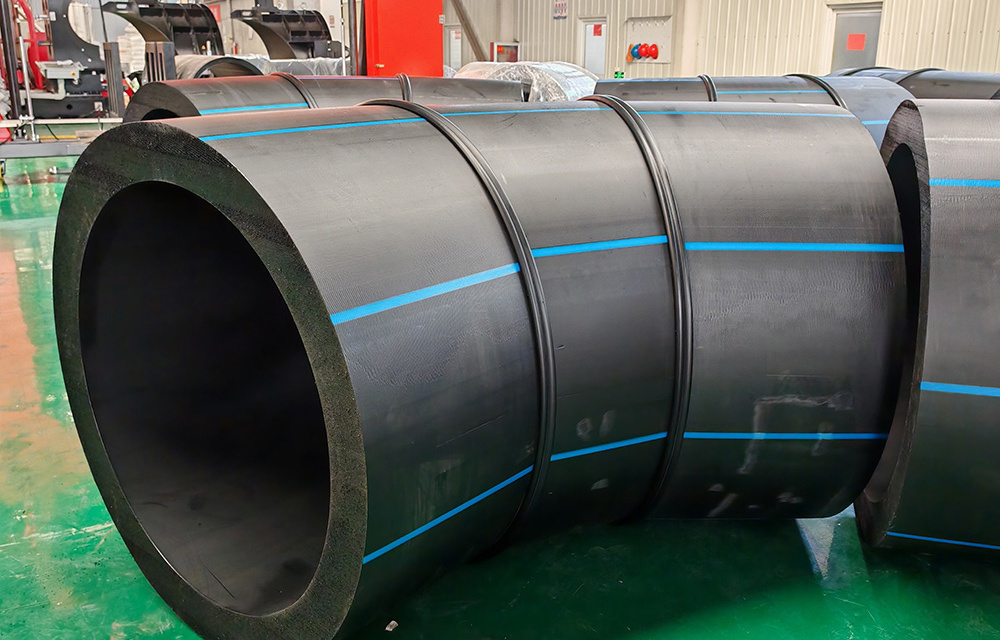
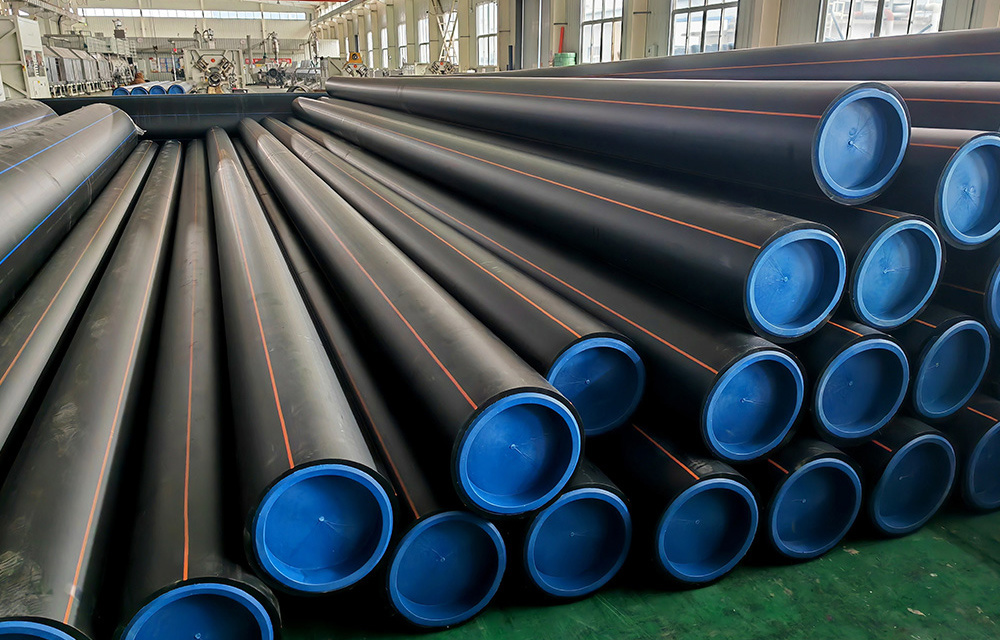
HDPE (High-Density Polyethylene) pipes are increasingly recognized for their pivotal role in geothermal systems, offering a plethora of advantages that make them suitable for both residential and commercial applications. One of the standout features of HDPE pipes is their remarkable durability. These pipes are resistant to corrosion, chemicals, and UV radiation, which allows them to maintain struc
In terms of flexibility, HDPE pipes are considerably superior to traditional materials such as PVC or metal. They can be easily bent and maneuvered around obstacles, which simplifies installation processes in geothermal systems where space can be constrained. This adaptability not only facilitates quicker installation times but also enhances the overall efficiency of the system by ensuring optimal fluid flow without the need for numerous fittings or joints that could become potential leak points.
Moreover, HDPE pipes are lightweight, making them easier to transport and handle during the installation phase. This characteristic can lead to reduced labor costs and expedited project timelines, which is a significant consideration in the competitive landscape of industrial equipment and components.
Another essential aspect of HDPE pipes in geothermal applications is their thermal properties. The low thermal conductivity of these pipes aids in minimizing heat loss, ensuring that geothermal energy is utilized efficiently. This efficiency is particularly crucial in geothermal systems, where maintaining consistent temperatures can significantly impact performance and energy savings.
Environmental sustainability is also a key consideration in today’s industrial landscape. HDPE is a recyclable material, which aligns with the growing emphasis on sustainable practices. By utilizing HDPE pipes, companies can contribute to reducing their environmental footprint while also promoting an eco-friendly approach to geothermal energy utilization.
In summary, HDPE pipes offer a compelling solution for geothermal systems, combining durability, flexibility, lightweight characteristics, and thermal efficiency. Their ability to withstand harsh conditions without succumbing to degradation makes them an excellent choice for professionals seeking reliable and efficient piping solutions in the geothermal sector. As the demand for renewable energy sources continues to grow, the role of HDPE pipes in enhancing the performance of geothermal systems cannot be overstated, making them a vital component in the industrial equipment and components landscape.

Customer Service Hotline
Sales Department Email
Website (Web)
Customer Service Email
Business Cooperation Email
Address
No.32 Donghai Road, Cangzhou Development Zone, Hebei Province, China
Company Address
No. 32 Donghai Road, Cangzhou Development Zone, Hebei Province, China