


01
2025
-
12
Exploring the Benefits of HDPE Pipes for Pipe Jacking Applications
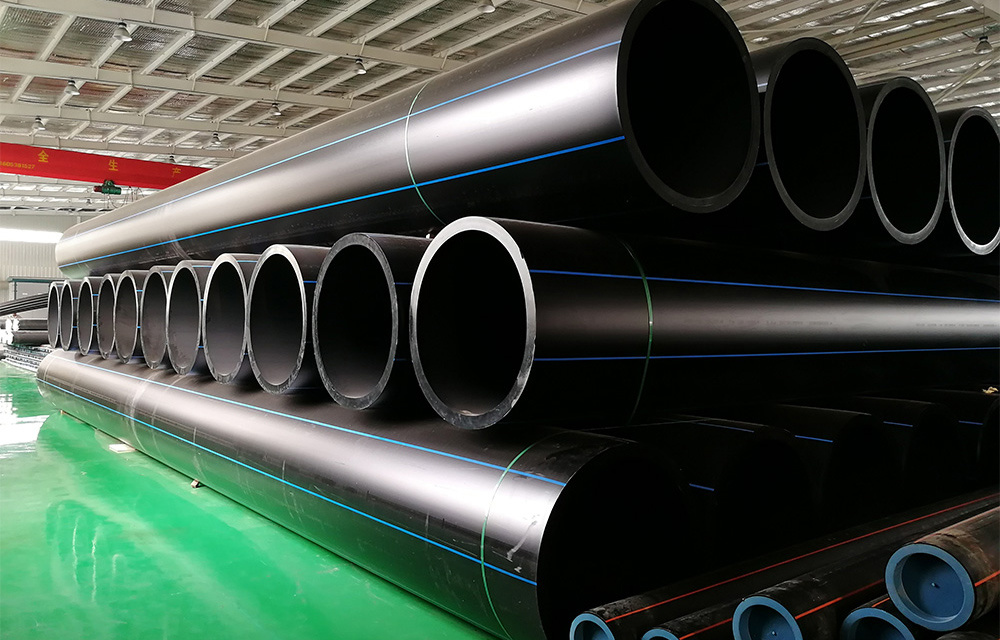
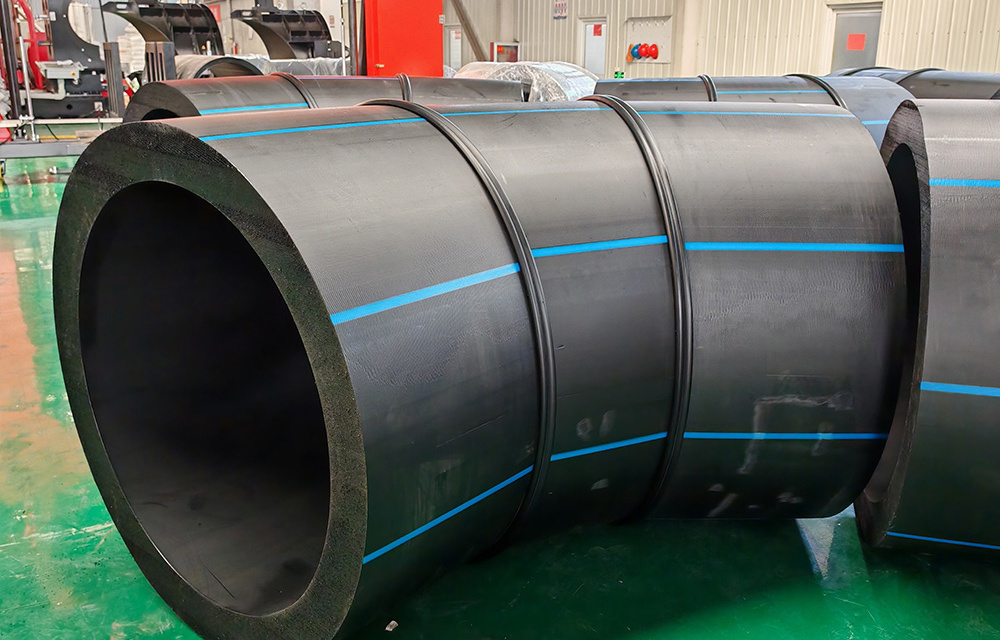
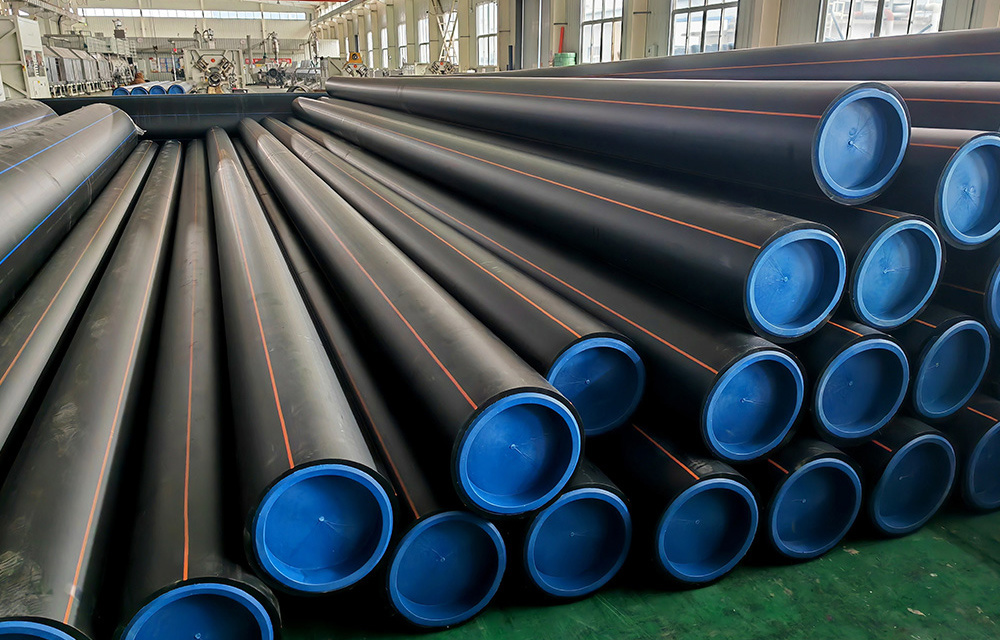
HDPE (High-Density Polyethylene) pipes have become increasingly popular in various construction and infrastructure projects, particularly in pipe jacking applications. Pipe jacking is a method used to install pipelines underground without the need for extensive excavation. This technique not only helps in minimizing surface disruption but also ensures a quicker installation process. One of the pri
One of the primary benefits of using HDPE pipes in pipe jacking is their outstanding flexibility and resilience. HDPE pipes can withstand significant deformation, which is essential for navigating the complex underground environments often encountered during pipe jacking. Their ability to absorb shocks and resist impacts reduces the risk of pipe failure, ensuring a reliable installation.
Moreover, HDPE pipes are known for their excellent corrosion resistance. Unlike traditional materials such as metal or concrete, HDPE does not corrode when exposed to various chemicals and environmental conditions. This characteristic makes HDPE pipes an ideal choice for transporting water, sewage, and other fluids, as they maintain their structural integrity over time. Additionally, the smooth interior surface of HDPE pipes minimizes friction loss, improving overall flow efficiency.
Another noteworthy aspect of HDPE pipes is their lightweight nature. This feature simplifies handling and installation, reducing the labor required during the pipe jacking process. The ease of transport and installation, coupled with fewer machinery requirements, can result in cost savings over the duration of a project.
It is also important to highlight the environmental benefits of HDPE pipes. They are typically made from recycled materials and are fully recyclable themselves. This aligns with the increasing demand for sustainable practices in construction and infrastructure development. Utilizing HDPE pipes in pipe jacking not only contributes to a reduction in the carbon footprint of a project but also promotes sustainable resource management.
When considering HDPE pipes for pipe jacking applications, it is vital to assess factors such as the diameter, wall thickness, and pressure rating of the pipe to ensure compatibility with the specific project requirements. Proper installation techniques, including the use of suitable lubrication methods, can further enhance the effectiveness of HDPE pipes in pipe jacking scenarios.
In conclusion, HDPE pipes offer a multitude of benefits for pipe jacking applications, including flexibility, corrosion resistance, lightweight properties, and environmental sustainability. These features make them an excellent choice for modern infrastructure projects, paving the way for efficient and resilient underground installations. As the industry continues to evolve, the use of HDPE pipes is likely to increase, reflecting the ongoing trend towards innovative and sustainable construction practices.
Previous Page

Customer Service Hotline
Sales Department Email
Website (Web)
Customer Service Email
Business Cooperation Email
Address
No.32 Donghai Road, Cangzhou Development Zone, Hebei Province, China
Company Address
No. 32 Donghai Road, Cangzhou Development Zone, Hebei Province, China