


30
2025
-
11
Why Choose HDPE Pipes for Efficient Pipe Jacking?
Introduction to HDPE Pipes and Pipe Jacking In the world of industrial equipment and components, particularly in the domain of pipelines, the choice of materials plays a pivotal role in ensuring efficiency and reliability. **High-Density Polyethylene (HDPE) pipes** have emerged as a revolutionary solution for pipe jacking applications. With their unique properties, HDPE pipes not only offer durabi
Introduction to HDPE Pipes and Pipe Jacking
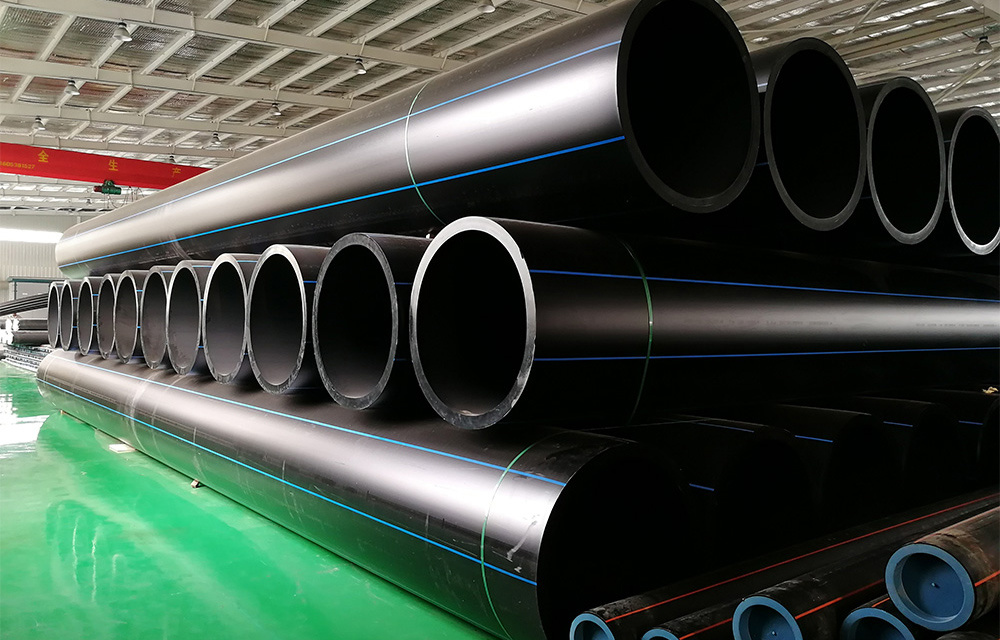
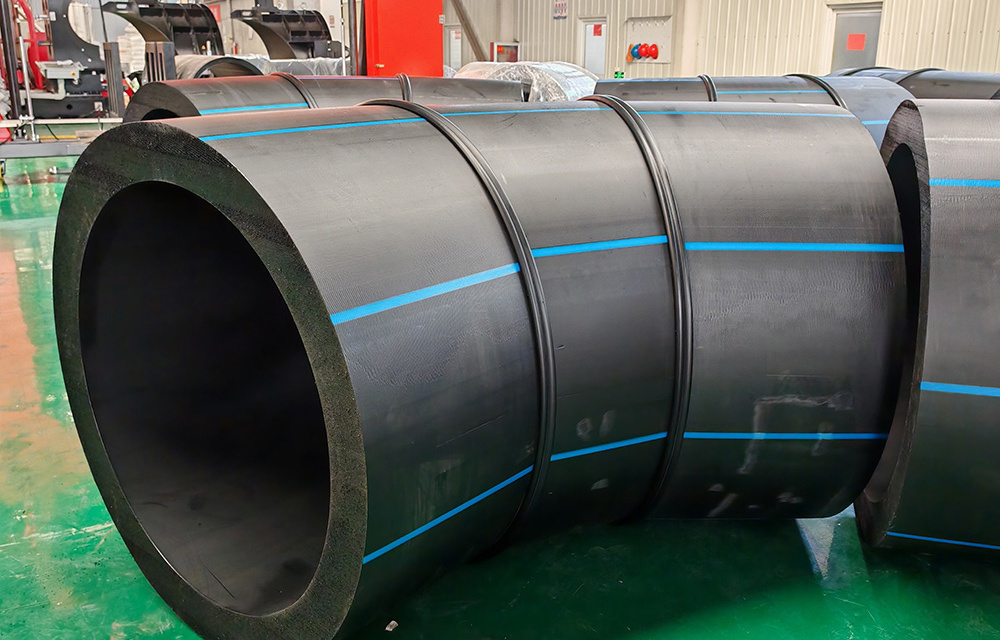
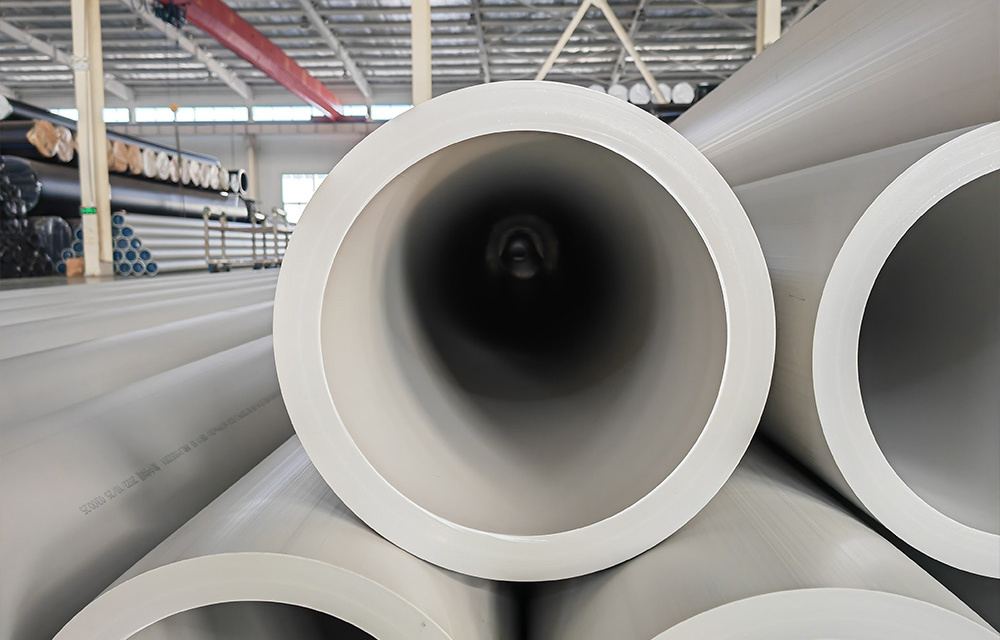
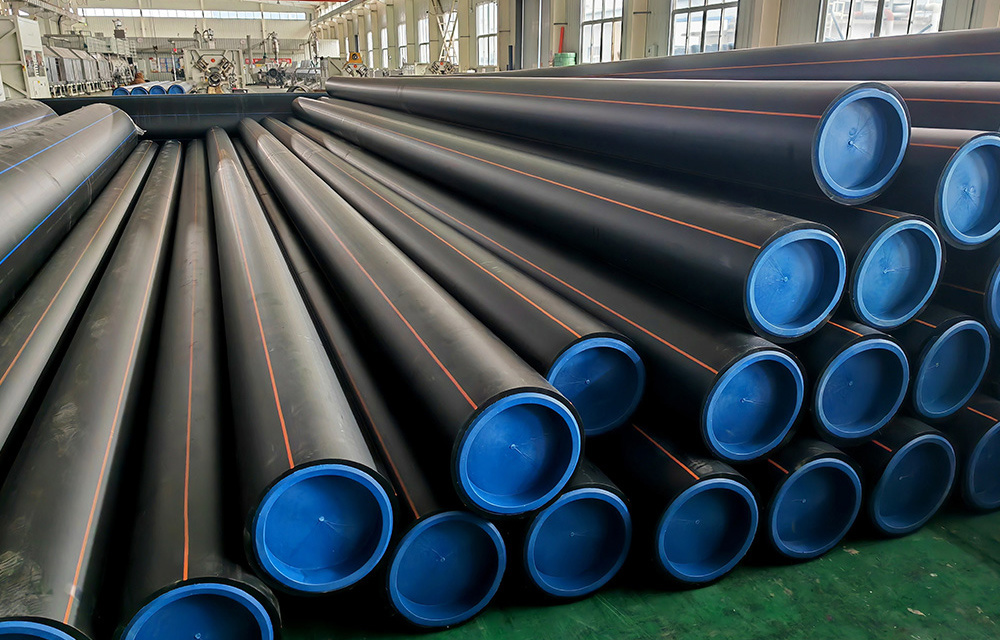
In the world of industrial equipment and components, particularly in the domain of pipelines, the choice of materials plays a pivotal role in ensuring efficiency and reliability. **High-Density Polyethylene (HDPE) pipes** have emerged as a revolutionary solution for pipe jacking applications. With their unique properties, HDPE pipes not only offer durability but also flexibility, making them suitable for various underground installations. This article delves into the reasons why HDPE pipes are the preferred choice for efficient pipe jacking.
Understanding Pipe Jacking
Pipe jacking is a trenchless construction method used to install underground pipes with minimal surface disruption. This technique is particularly beneficial in urban areas where space is limited and existing infrastructure must be preserved.
What is Pipe Jacking?
Pipe jacking involves the insertion of pipes into the ground using hydraulic jacking machinery. The process is completed without the need for extensive excavation, which reduces the impact on the environment and existing structures.
Applications of Pipe Jacking
The pipe jacking method is widely used in various applications, including:
- **Water distribution systems:** Installing pipelines for drinking water.
- **Sewer systems:** Constructing underground sewage networks.
- **Telecommunication:** Laying cables without disrupting the surface.
- **Stormwater management:** Creating systems for drainage and flood control.
The Advantages of HDPE Pipes in Pipe Jacking
Choosing HDPE pipes for pipe jacking brings numerous advantages. Let’s explore these benefits in detail.
1. Exceptional Durability
HDPE pipes are known for their outstanding resistance to environmental stressors. Their robust construction enables them to withstand harsh conditions, including extreme temperatures, corrosive soils, and ground movements. This durability minimizes the risk of pipe failure and extends the lifespan of the installation.
2. Lightweight and Flexible
One of the most significant advantages of HDPE pipes is their lightweight nature. This property simplifies the handling and transportation of the pipes, making the installation process more efficient. Additionally, the flexibility of HDPE allows for easy bending, which is crucial in adapting to various underground layouts.
3. Cost-Effectiveness
Although the initial investment in HDPE pipes may be higher compared to traditional materials, their long-term cost-effectiveness is undeniable. Their durability leads to fewer repairs and replacements, thus reducing maintenance costs over the years. Additionally, the trenchless jacking method itself minimizes labor costs and reduces disruption.
4. Resistance to Corrosion and Chemicals
HDPE pipes are inert and do not react with the majority of chemicals, making them suitable for a wide range of applications, including sewage and industrial pipelines. This resistance to corrosion ensures that the pipes maintain their integrity over time, providing peace of mind for project managers.
5. Environmental Benefits
The use of HDPE pipes aligns with sustainable construction practices. Their installation through pipe jacking minimizes surface disruption, preserving existing landscapes and infrastructure. Furthermore, HDPE is recyclable, contributing to a circular economy.
Environmental Impact of Trenchless Technology
Trenchless technology, which includes pipe jacking, significantly reduces the environmental footprint of construction projects. It prevents soil erosion, minimizes water runoff, and protects existing vegetation.
Technical Specifications of HDPE Pipes
Understanding the technical specifications of HDPE pipes is essential for making informed decisions. Here are the key aspects to consider:
1. Pipe Dimensions and Sizing
HDPE pipes come in various diameters, typically ranging from 2 inches to 63 inches. The size selection depends on the specific requirements of the project, including flow rates and installation depth.
2. Pressure Ratings
HDPE pipes are available in different pressure ratings, such as SDR (Standard Dimensional Ratio) values. Choosing the appropriate pressure rating ensures that the pipe can handle the expected load without failure.
3. Joining Methods
Several methods exist for joining HDPE pipes, including butt fusion, electrofusion, and mechanical fittings. The choice of joining method affects the overall performance and reliability of the pipeline system.
Installation Process of HDPE Pipes in Pipe Jacking
The installation of HDPE pipes using the pipe jacking method involves several steps:
1. Site Preparation
Before installation, a thorough site assessment is conducted to identify existing utilities, soil conditions, and potential obstacles. Proper planning is crucial for a successful operation.
2. Borehole Creation
A borehole is created at the entry point, which serves as the pathway for the HDPE pipes. The size of the borehole must accommodate the diameter of the pipes while allowing for adequate clearance.
3. Pipe Installation
The HDPE pipes are then pushed through the borehole using hydraulic jacking equipment. This process is monitored closely to ensure proper alignment and prevent damage to the pipes.
4. Backfilling and Restoration
Once the pipes are installed, the site is backfilled, and any surface disruption is restored, ensuring minimal impact on the surrounding area.
Common Challenges and Solutions in Pipe Jacking
While pipe jacking offers many benefits, it is not without its challenges. Here are some common issues and how to address them:
1. Ground Conditions
Inconsistent ground conditions can pose risks during installation. Conducting a thorough geotechnical survey beforehand can help anticipate potential problems and plan for appropriate solutions.
2. Pipe Alignment
Maintaining proper alignment during installation is critical. Utilizing advanced monitoring technologies can help ensure that the pipes are installed correctly and within the required specifications.
3. Equipment Failure
Equipment malfunction can lead to delays in the project. Regular maintenance and having backup equipment on hand can mitigate this risk and keep the project on schedule.
FAQs About HDPE Pipes and Pipe Jacking
1. What are the typical applications of HDPE pipes?
HDPE pipes are commonly used in water distribution, sewer systems, gas distribution, telecommunications, and stormwater management.
2. How long do HDPE pipes last?
When properly installed and maintained, HDPE pipes can last over 50 years, making them a reliable choice for long-term applications.
3. Are HDPE pipes environmentally friendly?
Yes, HDPE pipes are recyclable and minimize surface disruption during installation, aligning with sustainable construction practices.
4. What joining methods are used for HDPE pipes?
Common joining methods include butt fusion, electrofusion, and mechanical fittings, each offering unique benefits based on the application.
5. Can HDPE pipes be used for high-pressure applications?
Yes, HDPE pipes come in various pressure ratings to accommodate high-pressure applications, ensuring safe and reliable performance.
Conclusion
In conclusion, choosing **HDPE pipes** for efficient pipe jacking is a decision that brings numerous advantages, from exceptional durability and cost-effectiveness to environmental sustainability. As the construction industry continues to evolve, HDPE pipes stand out as a superior choice for underground installations, offering flexibility, resilience, and longevity. By understanding the benefits and technical specifications of HDPE pipes, project managers and engineers can leverage these materials to deliver successful and environmentally friendly projects. Embrace the future of pipeline construction with HDPE pipes and experience the difference they can make in your next project.

Customer Service Hotline
Sales Department Email
Website (Web)
Customer Service Email
Business Cooperation Email
Address
No.32 Donghai Road, Cangzhou Development Zone, Hebei Province, China
Company Address
No. 32 Donghai Road, Cangzhou Development Zone, Hebei Province, China