


02
2025
-
12
Exploring the Benefits of HDPE Pipe in Pipe Jacking Projects
Exploring the Benefits of HDPE Pipe in Pipe Jacking Projects Table of Contents 1. Introduction to HDPE Pipes and Pipe Jacking 2. What is HDPE Pipe? 3. Advantages of HDPE Pipes in Pipe Jacking 3.1. Durability and Resistance to Corrosion 3.2. Flexibility and Light Weight 3.3. Cost-Effectiveness and Longevity 3.4. Eco-Friendliness and Sustainability 4. Th
Exploring the Benefits of HDPE Pipe in Pipe Jacking Projects
Table of Contents
- 1. Introduction to HDPE Pipes and Pipe Jacking
- 2. What is HDPE Pipe?
- 3. Advantages of HDPE Pipes in Pipe Jacking
- 3.1. Durability and Resistance to Corrosion
- 3.2. Flexibility and Light Weight
- 3.3. Cost-Effectiveness and Longevity
- 3.4. Eco-Friendliness and Sustainability
- 4. The Installation Process of HDPE Pipes in Pipe Jacking
- 5. Applications of HDPE Pipes in Various Industries
- 6. Common Misconceptions About HDPE Pipes
- 7. Frequently Asked Questions (FAQs)
- 8. Conclusion
1. Introduction to HDPE Pipes and Pipe Jacking
In the realm of modern construction and infrastructure projects, effective utility installation is paramount. Among the various methods employed, **pipe jacking** stands out as a trenchless technique that minimizes surface disruption. This method allows for the installation of pipelines underneath existing structures or landscapes without the need for extensive excavation. The choice of pipe material can significantly affect the success and longevity of these projects. One material gaining popularity in pipe jacking is **High-Density Polyethylene (HDPE)**.
This article will explore the numerous benefits of using HDPE pipes in pipe jacking projects, providing insights into their properties, installation advantages, and industry applications.
2. What is HDPE Pipe?
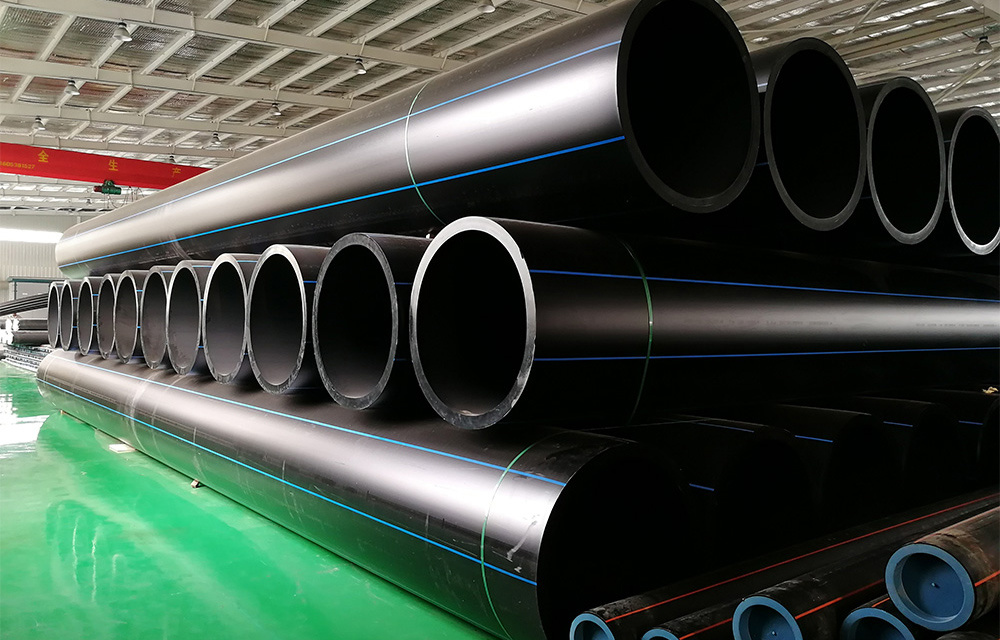
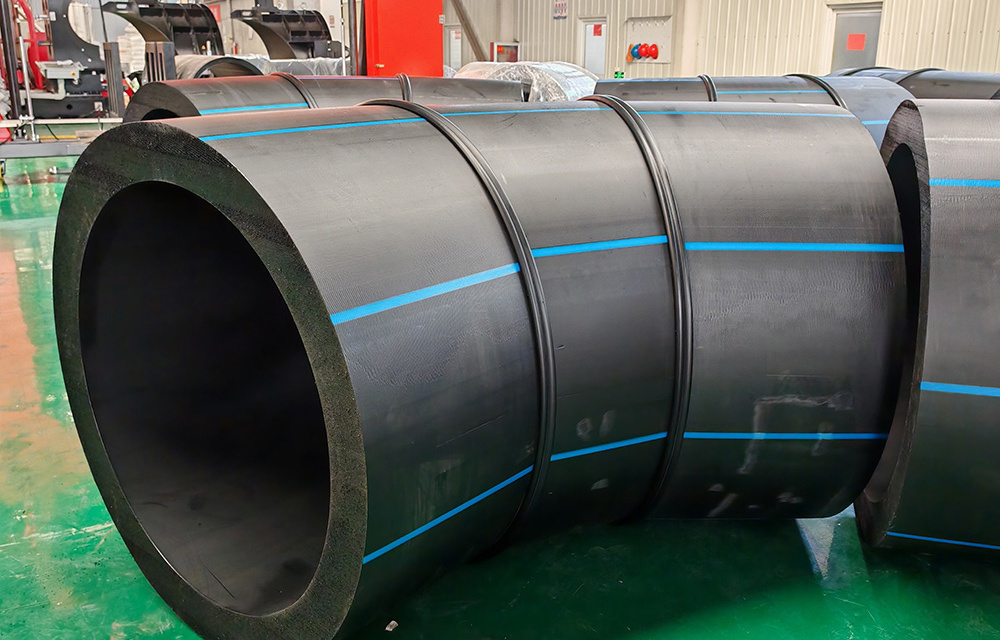
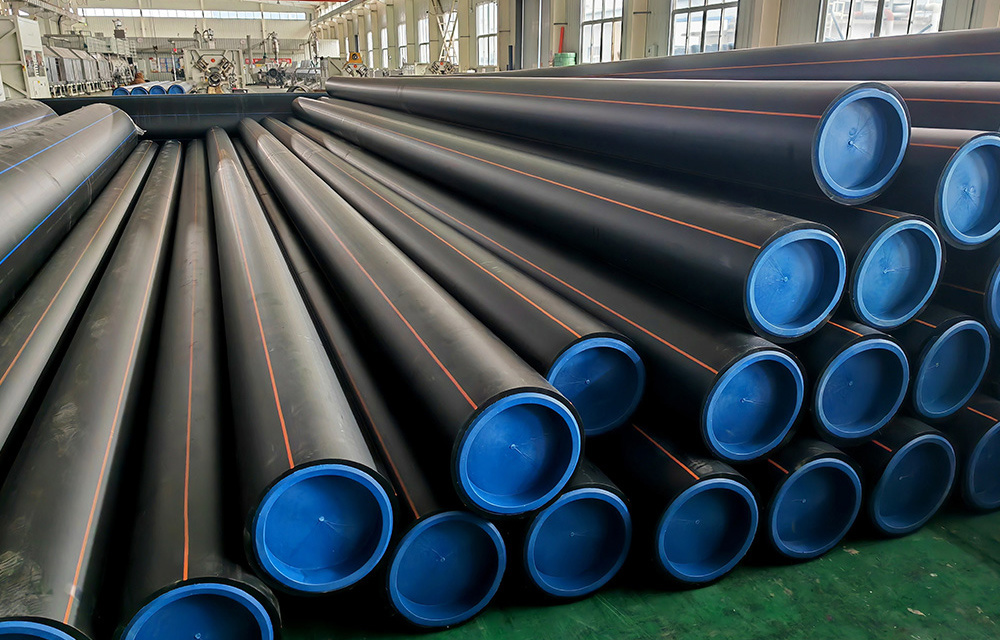
**High-Density Polyethylene (HDPE)** pipes are thermoplastic pipes made from petroleum. Known for their high strength-to-density ratio, **HDPE pipes** are flexible, durable, and resistant to various environmental factors. Their ability to withstand high pressure makes them suitable for transporting water, gas, and other fluids.
Characterized by excellent chemical resistance, HDPE pipes are also lightweight, making them easier to transport and install compared to traditional materials like concrete or metal. Their versatility allows them to be used across various applications, including municipal water systems, sewage systems, and industrial processes.
3. Advantages of HDPE Pipes in Pipe Jacking
HDPE pipes offer a range of advantages that make them particularly suitable for pipe jacking projects. Below, we delve into the primary benefits:
3.1. Durability and Resistance to Corrosion
One of the most notable features of HDPE pipes is their **durability**. Unlike traditional materials, HDPE does not corrode, rust, or degrade over time when exposed to moisture or chemicals. This characteristic ensures that pipes remain operational and effective for decades, reducing the need for frequent repairs or replacements.
3.2. Flexibility and Light Weight
**Flexibility** is another significant advantage of HDPE pipes. When jacked underground, the ability of HDPE to bend without breaking helps prevent damage to the pipe and allows it to navigate obstacles more easily. Additionally, the lightweight nature of HDPE pipes means they require less labor and equipment during installation, further streamlining the jacking process.
3.3. Cost-Effectiveness and Longevity
Although the initial investment in HDPE pipes may be slightly higher than traditional materials, their longevity and low maintenance costs make them a **cost-effective** choice in the long run. Their resistance to corrosion and environmental factors reduces the likelihood of leaks and failures, ultimately saving money on repairs and replacements.
3.4. Eco-Friendliness and Sustainability
In an age where sustainability is crucial, HDPE pipes stand out as an environmentally friendly option. They can be recycled at the end of their lifecycle, reducing waste and promoting a circular economy. Additionally, their efficiency leads to reduced energy consumption during transport and installation, further decreasing their environmental footprint.
4. The Installation Process of HDPE Pipes in Pipe Jacking
The installation of HDPE pipes through pipe jacking is a sophisticated process that involves several steps:
1. **Site Preparation**: The first step involves assessing the construction site and preparing the entry and exit pits.
2. **Pipe Jacking Machine Setup**: A pipe jacking machine is then set up at the entry point, aligned with the intended pathway of the pipeline.
3. **Pipe Loading**: Individual sections of HDPE pipe are loaded into the jacking machine, ready for installation.
4. **Jacking Process**: The machine pushes the pipes forward while simultaneously monitoring for alignment and pressure. This ensures that the pipes are installed accurately and without disruption.
5. **Completion and Testing**: Once the pipe is in place, it undergoes testing for leaks and structural integrity before being connected to existing systems.
The trenchless nature of this process minimizes surface disruption, making it ideal for urban environments.
5. Applications of HDPE Pipes in Various Industries
HDPE pipes are versatile and used across multiple industries, including:
- **Municipal Water Supply**: Providing reliable water transport with minimal leakage.
- **Sewage Systems**: Effectively handling waste materials because of their corrosion resistance.
- **Gas Distribution**: Ensuring safe and efficient transportation of natural gas and other fuels.
- **Irrigation Systems**: Supporting agricultural needs with efficient water delivery systems.
These applications highlight the adaptability of HDPE pipes to meet various industrial requirements.
6. Common Misconceptions About HDPE Pipes
Despite their growing popularity, there are still misconceptions about HDPE pipes that need addressing:
- **Misconception 1**: HDPE pipes are too flexible to be durable.
- Reality: While they are flexible, their strength and resistance to environmental stressors make them exceptionally durable.
- **Misconception 2**: HDPE pipes are only suitable for low-pressure applications.
- Reality: HDPE pipes can handle high-pressure applications, making them suitable for a wide range of uses.
- **Misconception 3**: HDPE is not a sustainable option.
- Reality: HDPE is recyclable and has a lower environmental impact compared to many traditional materials.
7. Frequently Asked Questions (FAQs)
What is the lifespan of HDPE pipes?
HDPE pipes have a lifespan of 50 years or more when properly installed and maintained.
Can HDPE pipes be joined to other materials?
Yes, HDPE pipes can be joined with other materials using specific fitting adapters.
Are HDPE pipes resistant to UV light?
Standard HDPE pipes may degrade when exposed to UV light; however, UV-resistant HDPE options are available for applications where exposure is likely.
What size HDPE pipes are available for pipe jacking?
HDPE pipes come in various sizes, typically ranging from 2 inches to 63 inches in diameter.
Is special equipment needed for HDPE pipe installation?
Yes, specialized equipment such as a pipe jacking machine is required for installation.
8. Conclusion
The benefits of using **HDPE pipes** in pipe jacking projects are numerous and compelling. From their impressive durability and flexibility to their eco-friendliness and cost-effectiveness, HDPE pipes represent a modern solution for various infrastructure needs. As cities grow and evolve, the demand for reliable and efficient utility installation methods will only increase. Embracing HDPE pipes in pipe jacking not only enhances project outcomes but also contributes to sustainable development practices. With their proven track record across multiple applications, HDPE pipes are undoubtedly an advantageous choice for any future pipe jacking project.

Customer Service Hotline
Sales Department Email
Website (Web)
Customer Service Email
Business Cooperation Email
Address
No.32 Donghai Road, Cangzhou Development Zone, Hebei Province, China
Company Address
No. 32 Donghai Road, Cangzhou Development Zone, Hebei Province, China