


29
2025
-
11
Understanding the Role of HDPE Pipes in Landfill Leachate Management
--- Landfill leachate, the liquid that drains or seeps from a landfill, poses significant environmental challenges. Effective management of leachate is crucial for preventing groundwater contamination and maintaining ecological balance. One of the most effective solutions for leachate management is the use of High-Density Polyethylene (HDPE) pipes. HDPE pipes are known for their exceptional durab
Landfill leachate, the liquid that drains or seeps from a landfill, poses significant environmental challenges. Effective management of leachate is crucial for preventing groundwater contamination and maintaining ecological balance. One of the most effective solutions for leachate management is the use of High-Density Polyethylene (HDPE) pipes.
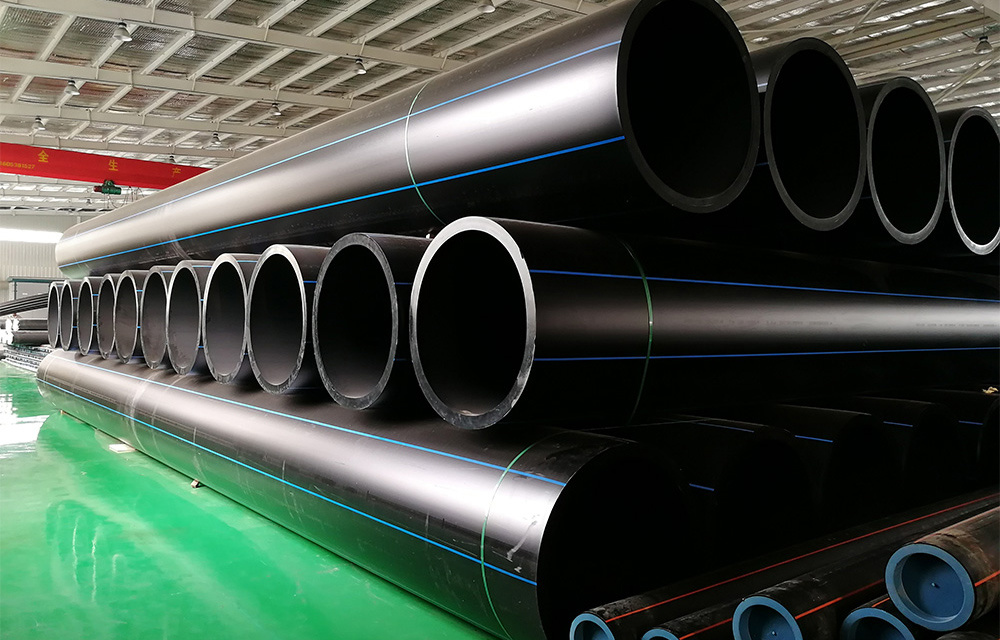
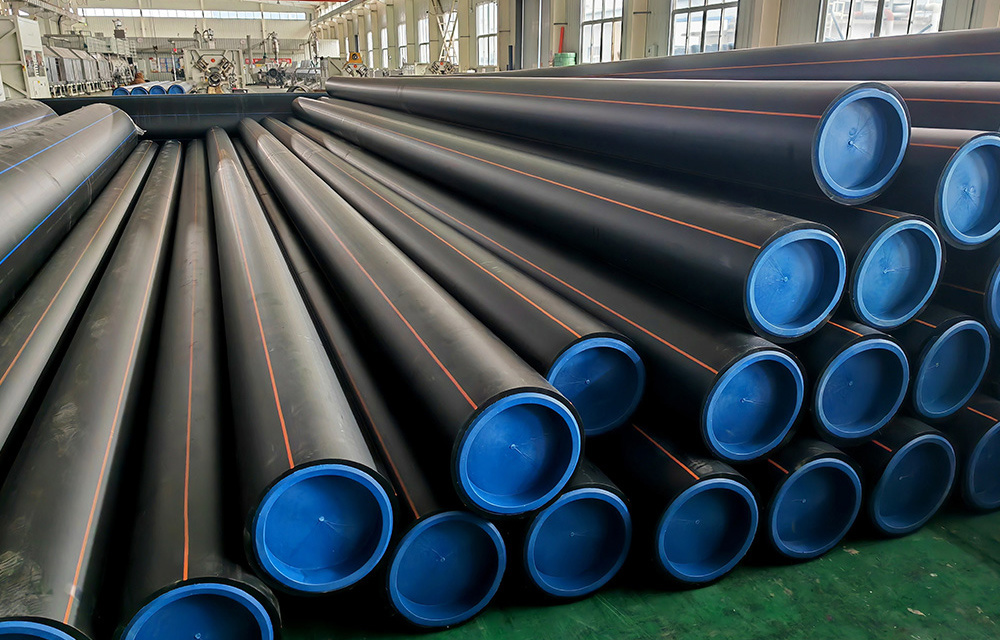
HDPE pipes are known for their exceptional durability and resistance to a variety of chemicals, making them an ideal choice for leachate management systems. Unlike traditional materials, HDPE exhibits excellent resistance to corrosion, a critical factor when dealing with the aggressive nature of landfill leachate. This resilience ensures that the pipes maintain their structural integrity over time, reducing the likelihood of leaks or failures that could lead to environmental hazards.
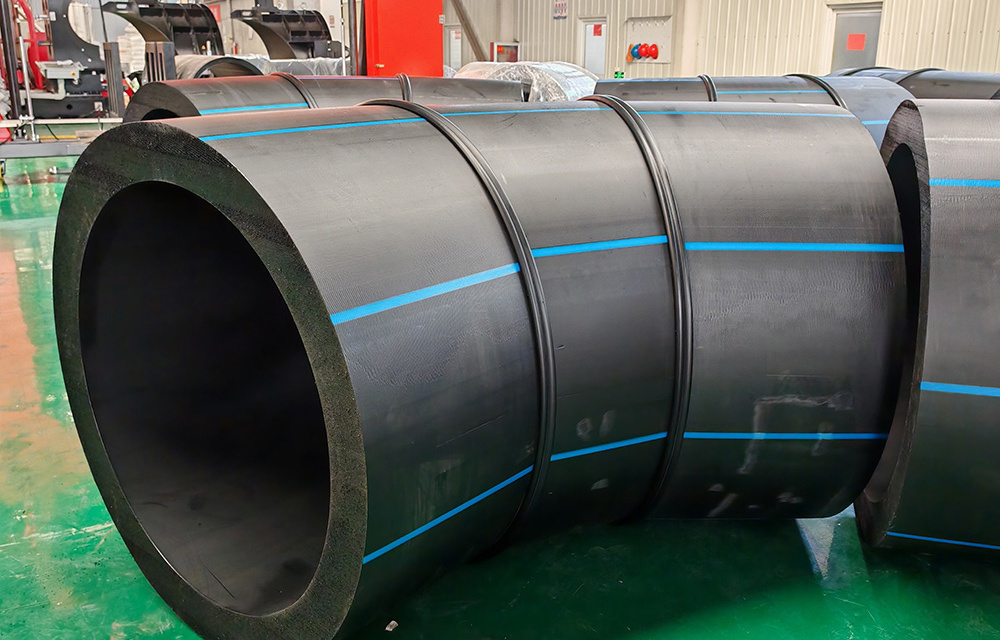
Another key benefit of HDPE pipes is their lightweight nature, which simplifies transportation and installation. This aspect can lead to lower labor costs and reduced installation times, allowing for quicker deployment of leachate collection systems. Additionally, the flexibility of HDPE allows for easier adaptation to varying site conditions, such as changes in terrain and soil composition, ensuring that the drainage system remains effective across diverse landfill environments.
Moreover, HDPE pipes offer a significant advantage in terms of longevity. When properly installed, these pipes can have service lives exceeding 50 years, providing a long-term solution for landfill leachate management. This longevity contributes to reduced maintenance costs, as infrequent replacement and repair are necessary compared to other materials.
The environmental implications of choosing HDPE are also noteworthy. The material is highly recyclable, making it a more sustainable option compared to non-recyclable alternatives. In an era where environmental responsibility is paramount, utilizing HDPE pipes can enhance the sustainability profile of landfill operations.
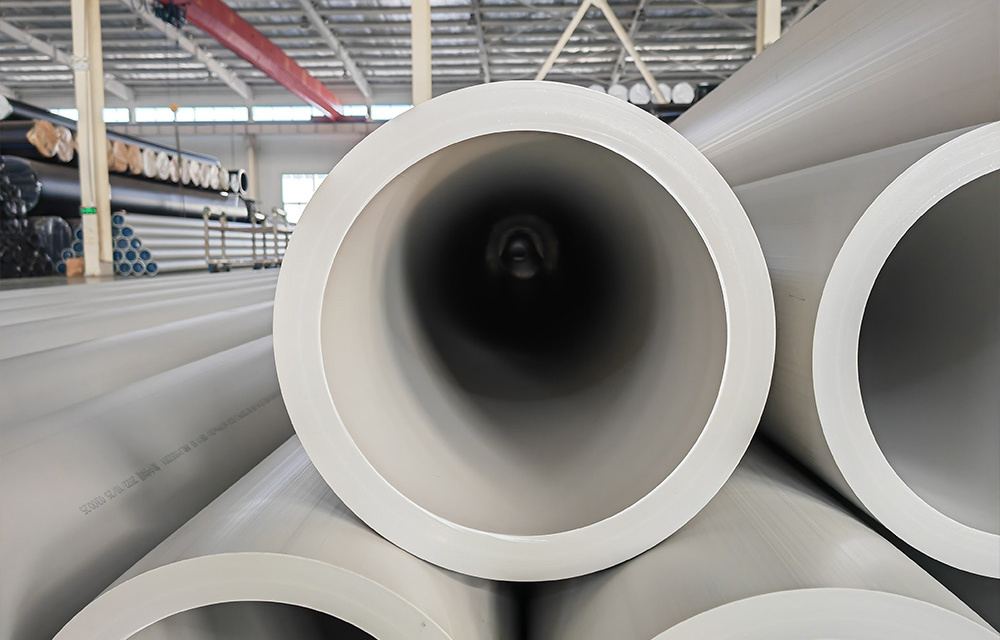
Furthermore, the smooth interior surfaces of HDPE pipes facilitate efficient flow and minimize the risk of blockages, a common issue in leachate systems. This efficient flow not only improves system performance but also minimizes the need for frequent maintenance interventions, allowing staff to focus on other critical areas of landfill management.
In conclusion, the use of HDPE pipes for landfill leachate management offers numerous advantages, including durability, cost-effectiveness, and environmental sustainability. As industrial equipment providers and landfill operators seek reliable solutions for leachate management, HDPE pipes stand out as a practical and effective choice. Understanding these benefits can help stakeholders make informed decisions that enhance operational efficiency and promote environmental stewardship in landfill management.

Customer Service Hotline
Sales Department Email
Website (Web)
Customer Service Email
Business Cooperation Email
Address
No.32 Donghai Road, Cangzhou Development Zone, Hebei Province, China
Company Address
No. 32 Donghai Road, Cangzhou Development Zone, Hebei Province, China