


28
2025
-
11
Understanding the Role of HDPE Pipes in Landfill Leachate Management
Understanding the Role of HDPE Pipes in Landfill Leachate Management Table of Contents 1. Introduction to Landfill Leachate 2. What is HDPE and Its Properties? 3. Importance of Leachate Management 4. HDPE Pipes in Leachate Management 5. Benefits of Using HDPE Pipes 6. Best Installation Practices for HDPE Pipes 7. Maintenance and Monitoring of HDPE Systems 8. Case S
Understanding the Role of HDPE Pipes in Landfill Leachate Management
Table of Contents
- 1. Introduction to Landfill Leachate
- 2. What is HDPE and Its Properties?
- 3. Importance of Leachate Management
- 4. HDPE Pipes in Leachate Management
- 5. Benefits of Using HDPE Pipes
- 6. Best Installation Practices for HDPE Pipes
- 7. Maintenance and Monitoring of HDPE Systems
- 8. Case Studies: Successful HDPE Applications
- 9. Frequently Asked Questions
- 10. Conclusion
1. Introduction to Landfill Leachate
Landfill leachate is a liquid that forms when water moves through waste materials, dissolving and carrying various contaminants. This byproduct poses significant environmental risks, including groundwater contamination and the potential for ecosystem disruption. Exploring effective leachate management strategies is crucial to mitigate these impacts, and one of the most effective solutions is the use of **High-Density Polyethylene (HDPE) pipes**.
2. What is HDPE and Its Properties?
**High-Density Polyethylene**, known as HDPE, is a thermoplastic polymer made from petroleum. It is renowned for its high strength-to-density ratio and is widely used in various applications, including water supply, sewage systems, and, notably, leachate management in landfills. Key properties of HDPE include:
- **Chemical Resistance**: HDPE is resistant to a wide range of chemicals, making it suitable for transporting leachate, which often contains hazardous substances.
- **Durability**: HDPE pipes can withstand extreme environmental conditions, including temperature fluctuations and pressure variations.
- **Flexibility**: This material's flexibility allows for easy installation and adaptability to various site conditions.
- **Lightweight**: Compared to traditional materials, HDPE is lighter, facilitating quicker transport and installation.
3. Importance of Leachate Management
Effective leachate management is vital for several reasons:
- **Environmental Protection**: Proper handling of leachate minimizes the risk of soil and groundwater contamination, safeguarding natural resources.
- **Regulatory Compliance**: Governments and environmental agencies impose strict regulations on leachate management. Non-compliance can result in hefty fines and legal repercussions.
- **Public Health**: Unmanaged leachate can pose health risks to nearby communities. Ensuring that leachate is correctly treated protects public health.
- **Sustainable Waste Management**: As municipalities seek more sustainable waste management practices, effective leachate handling is integral to minimizing waste's ecological footprint.
4. HDPE Pipes in Leachate Management
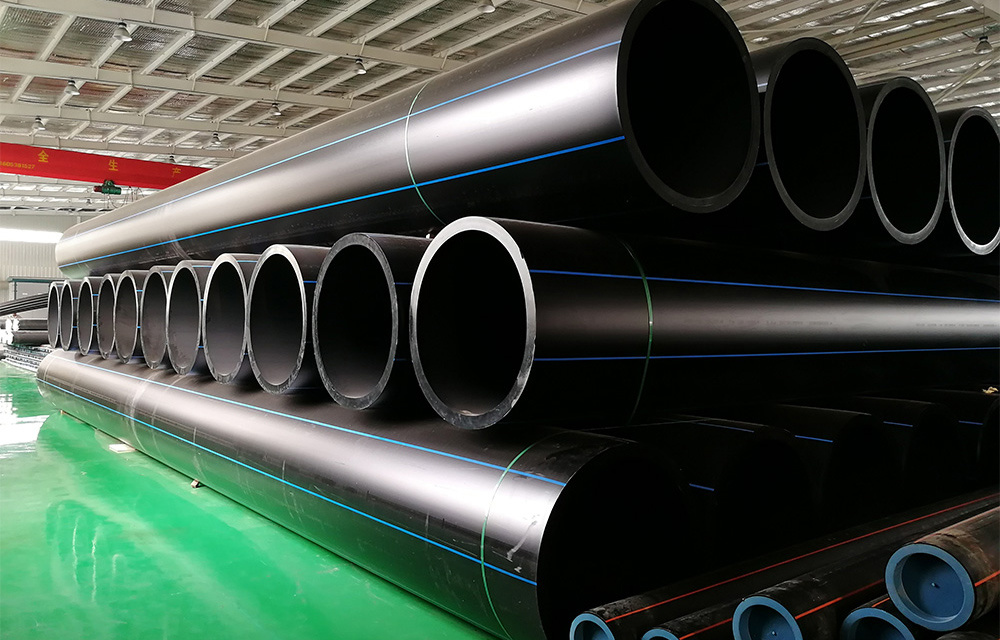
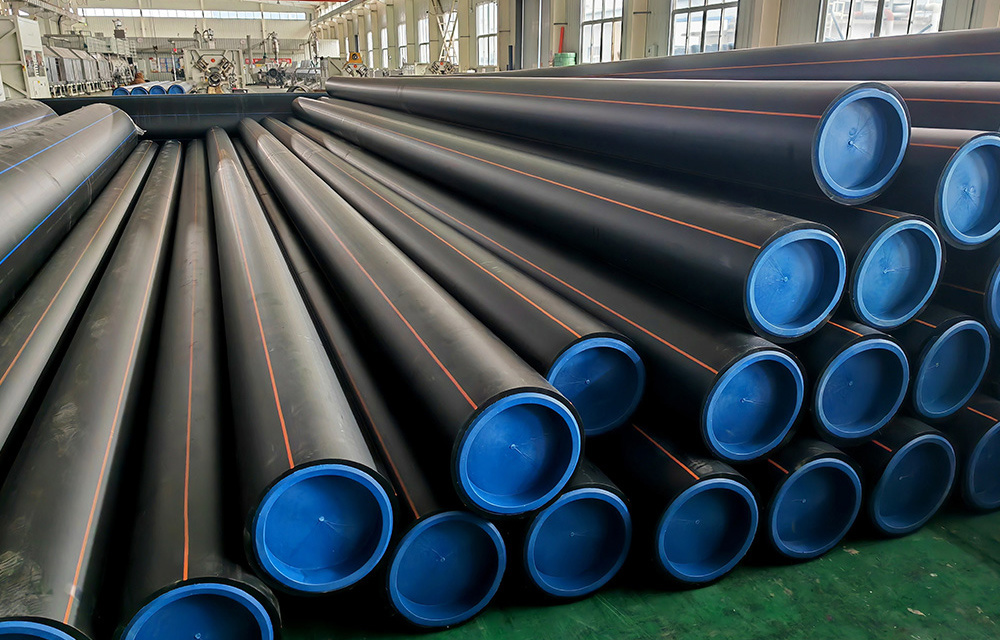
HDPE pipes play a pivotal role in leachate management systems. They are employed in various applications, including:
- **Collection Systems**: HDPE pipes are used to collect leachate from landfill sites, directing it to treatment facilities.
- **Transport Systems**: Due to their chemical resistance, HDPE pipes are ideal for transporting leachate without risk of degradation.
- **Drainage Systems**: These pipes can be utilized in drainage layers to facilitate the rapid removal of leachate, preventing the accumulation of harmful liquids.
By incorporating HDPE pipes into leachate management systems, landfill operators can significantly enhance the efficiency and effectiveness of their waste management strategies.
5. Benefits of Using HDPE Pipes
The use of HDPE pipes in landfill leachate management offers numerous advantages:
- **Long Lifespan**: HDPE pipes can last for decades, reducing the need for frequent replacements and associated costs.
- **Cost-Effectiveness**: Although the initial investment may be higher than other materials, the long-term savings in maintenance and replacement make HDPE a cost-effective choice.
- **Ease of Installation**: HDPE pipes can be installed quickly and with minimal equipment, reducing labor costs and downtime.
- **Reduced Leakage**: The robust construction and seamless joints of HDPE pipes significantly reduce the risk of leaks, ensuring efficient operation of leachate systems.
6. Best Installation Practices for HDPE Pipes
To maximize the benefits of HDPE pipes in leachate management, adherence to best installation practices is crucial. These include:
- **Site Assessment**: Conduct thorough site evaluations to determine the appropriate pipe size and layout based on leachate flow rates and site conditions.
- **Proper Bedding**: Ensure that pipes are installed on a well-compacted bedding material to provide support and prevent shifting over time.
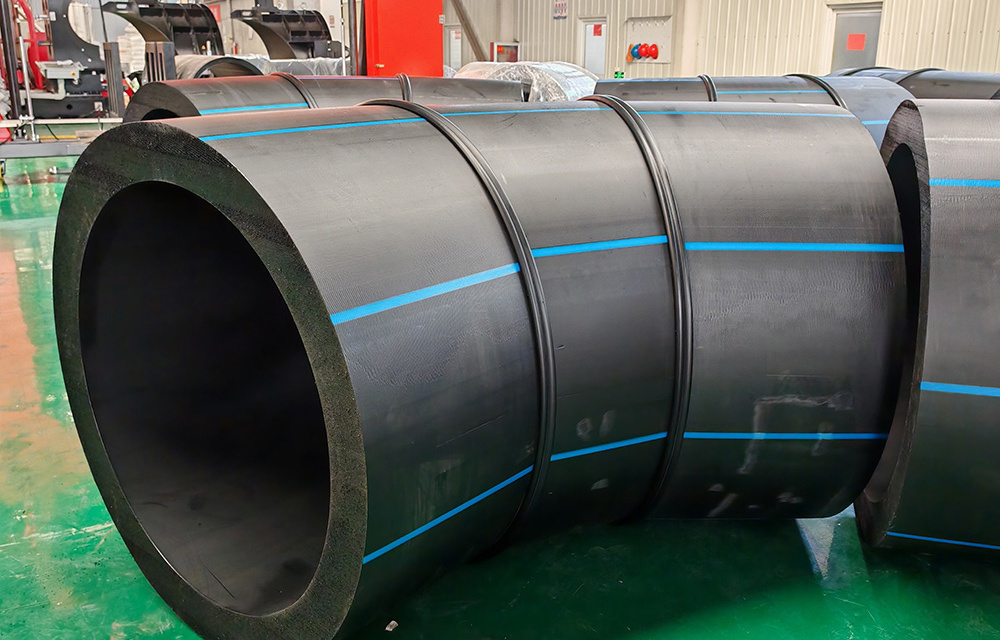
- **Jointing Techniques**: Employ fusion welding or other approved jointing methods to create strong, leak-proof connections between pipes.
- **Testing for Integrity**: After installation, conduct pressure tests to identify any potential leaks before the system becomes operational.
7. Maintenance and Monitoring of HDPE Systems
Regular maintenance and monitoring are essential for the long-term effectiveness of HDPE leachate management systems. Key activities include:
- **Routine Inspections**: Conduct regular visual inspections for any signs of wear, damage, or blockages within the system.
- **Pressure Monitoring**: Monitor the pressure within the pipes to ensure that they are functioning within safe limits.
- **Cleaning Procedures**: Implement scheduled cleaning of pipes to prevent the buildup of solids or debris that may impede leachate flow.
By following a comprehensive maintenance plan, landfill operators can ensure the longevity and reliability of HDPE pipes in managing leachate.
8. Case Studies: Successful HDPE Applications
Several successful implementations of HDPE pipes in landfill leachate management highlight their effectiveness:
- **Case Study 1: Greenfield Landfill**: At a newly constructed landfill in California, HDPE pipes were integrated into the leachate collection system, resulting in a 30% reduction in leachate treatment costs due to their efficiency and durability.
- **Case Study 2: Urban Landfill in New York**: An urban landfill faced challenges with leachate overflow. The installation of HDPE pipes improved leachate transport and minimized environmental risks, achieving compliance with state regulations.
These case studies exemplify the positive impact of HDPE pipes in enhancing landfill leachate management systems.
9. Frequently Asked Questions
What are HDPE pipes made of?
HDPE pipes are made from High-Density Polyethylene, a thermoplastic polymer known for its durability and chemical resistance.
How long do HDPE pipes last?
Under optimal conditions, HDPE pipes can have a lifespan of 50 years or more, making them a long-lasting solution for various applications.
Are HDPE pipes environmentally friendly?
Yes, HDPE pipes are considered environmentally friendly as they are recyclable, and their long lifespan reduces the need for frequent replacements, minimizing waste.
Can HDPE pipes be used for other applications?
Absolutely! HDPE pipes have a wide range of applications, including water supply, sewage systems, and industrial processes, in addition to landfill leachate management.
What is the cost difference between HDPE and traditional materials?
While the initial cost of HDPE pipes may be higher than traditional materials like PVC or concrete, their longevity and reduced maintenance needs often lead to significant savings over time.
10. Conclusion
In summary, **HDPE pipes** represent a highly effective solution for managing landfill leachate. Their unique properties, including chemical resistance, durability, and ease of installation, make them ideal for ensuring environmental safety and compliance with regulations. By implementing best practices in installation and maintenance, landfill operators can optimize their leachate management systems, protecting both public health and the environment. As municipalities continue to grapple with waste management challenges, HDPE pipes will undoubtedly play a crucial role in fostering more sustainable practices.

Customer Service Hotline
Sales Department Email
Website (Web)
Customer Service Email
Business Cooperation Email
Address
No.32 Donghai Road, Cangzhou Development Zone, Hebei Province, China
Company Address
No. 32 Donghai Road, Cangzhou Development Zone, Hebei Province, China