


27
2025
-
11
Maximizing Efficiency: The Role of HDPE Pipes in Landfill Leachate Management
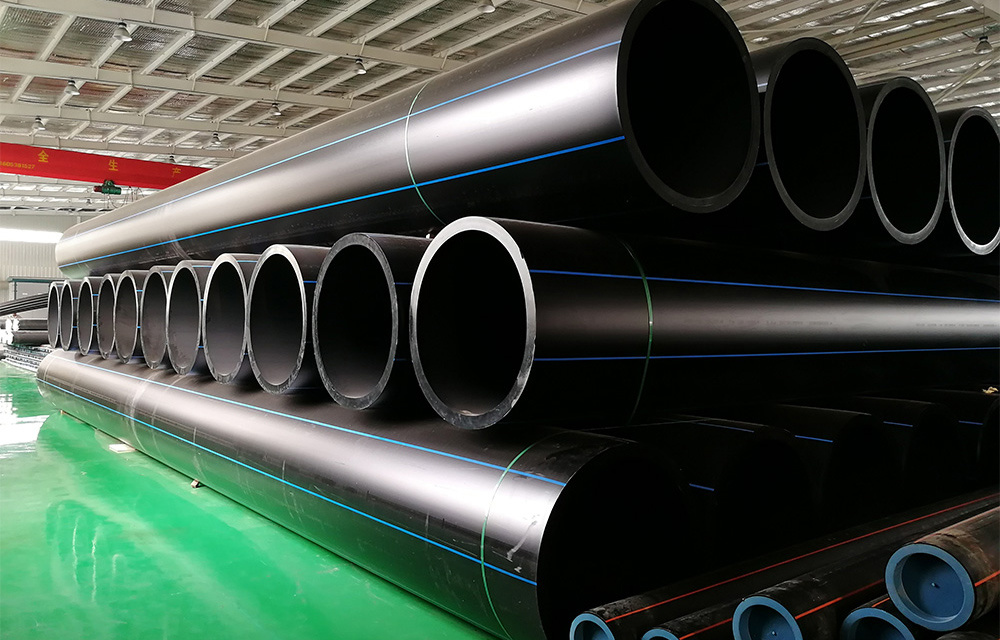
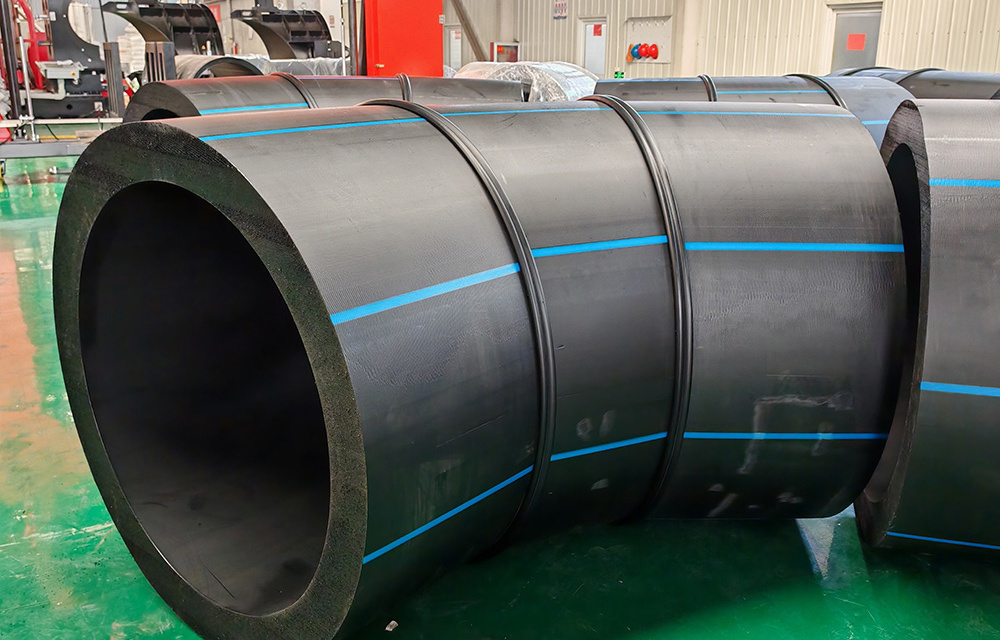
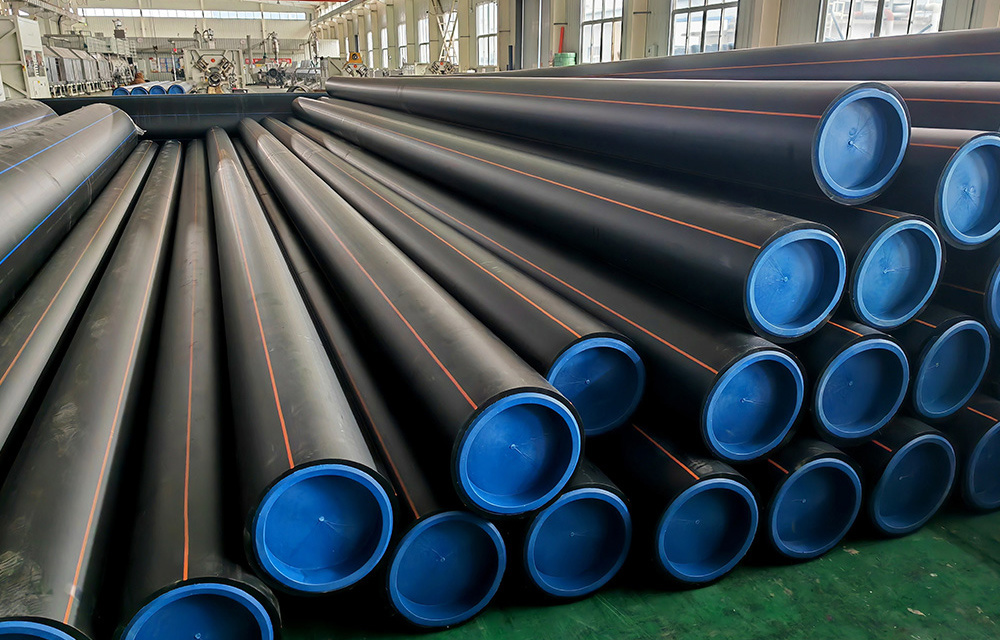
In the realm of industrial equipment and components, the significance of HDPE (High-Density Polyethylene) pipes in landfill leachate management cannot be overstated. As landfills continue to play a crucial role in waste disposal, the efficient management of leachate, the liquid that seeps through waste and carries dissolved substances, becomes essential. HDPE pipes have emerged as a preferred choi
One of the primary benefits of using HDPE pipes for landfill leachate is their exceptional resistance to corrosion and chemical degradation. Landfill leachate is often composed of a complex mixture of organic and inorganic materials, which can be highly corrosive. Traditional materials, such as metal or concrete, may deteriorate quickly in such an environment. In contrast, HDPE offers superior chemical resistance, ensuring longevity and reliability, which minimizes the need for frequent replacements and repairs.
Moreover, HDPE pipes are lightweight and flexible, making them easier to transport and install compared to other materials. This flexibility allows for easier handling in the challenging environments often found at landfill sites. Additionally, the smooth interior surface of HDPE pipes facilitates efficient fluid flow, reducing friction and preventing clogs, which can be crucial when managing leachate effectively.
Another significant advantage of HDPE pipes is their ability to withstand extreme environmental conditions. Whether subjected to high temperatures or fluctuating weather patterns, these pipes maintain their structural integrity, ensuring that leachate management systems function optimally over time. This durability translates to reduced operational costs and enhanced system efficiency.
Furthermore, the environmental benefits of using HDPE pipes cannot be overlooked. Given their recyclability, HDPE pipes contribute to a more sustainable approach to landfill operations. Utilizing materials that can be reprocessed and reused aligns well with modern waste management goals aimed at promoting recycling and reducing landfill waste.
In conclusion, the use of HDPE pipes in landfill leachate management offers numerous advantages, including chemical resistance, ease of installation, durability, and environmental sustainability. For professionals in the industrial sector, understanding the role of these pipes is crucial for optimizing landfill operations, ensuring regulatory compliance, and ultimately contributing to a healthier environment. By adopting HDPE pipes, companies can enhance their waste management strategies and drive efficiencies that align with industry best practices.

Customer Service Hotline
Sales Department Email
Website (Web)
Customer Service Email
Business Cooperation Email
Address
No.32 Donghai Road, Cangzhou Development Zone, Hebei Province, China
Company Address
No. 32 Donghai Road, Cangzhou Development Zone, Hebei Province, China