


26
2025
-
11
Exploring the Benefits of Using HDPE Pipes in Geothermal Applications
Exploring the Benefits of Using HDPE Pipes in Geothermal Applications Table of Contents 1. Introduction to HDPE Pipes and Geothermal Applications 2. What are HDPE Pipes? 3. Key Benefits of Using HDPE Pipes in Geothermal Systems 3.1 Durability and Longevity 3.2 Corrosion Resistance 3.3 Flexibility and Ease of Installation 3.4 Cost-Effectiveness 4. Appli
Exploring the Benefits of Using HDPE Pipes in Geothermal Applications
Table of Contents
- 1. Introduction to HDPE Pipes and Geothermal Applications
- 2. What are HDPE Pipes?
- 3. Key Benefits of Using HDPE Pipes in Geothermal Systems
- 3.1 Durability and Longevity
- 3.2 Corrosion Resistance
- 3.3 Flexibility and Ease of Installation
- 3.4 Cost-Effectiveness
- 4. Applications of HDPE Pipes in Geothermal Systems
- 5. HDPE Pipes vs. Other Pipe Materials in Geothermal Applications
- 6. Installation and Maintenance of HDPE Pipes
- 7. Conclusion
1. Introduction to HDPE Pipes and Geothermal Applications
In recent years, the demand for sustainable energy solutions has surged, making geothermal energy systems an attractive option. These systems leverage the Earth's natural heat for a variety of purposes, including heating and cooling buildings. A crucial component of these systems is the piping used to transport fluids. Among the various materials available, **High-Density Polyethylene (HDPE)** pipes stand out as exceptionally beneficial for geothermal applications.
This article explores the **numerous advantages** of using HDPE pipes in geothermal systems, highlighting their durability, resistance to corrosion, flexibility, and cost-effectiveness. By understanding the strengths of HDPE pipes, professionals can make informed decisions that enhance the efficiency and longevity of their geothermal systems.
2. What are HDPE Pipes?
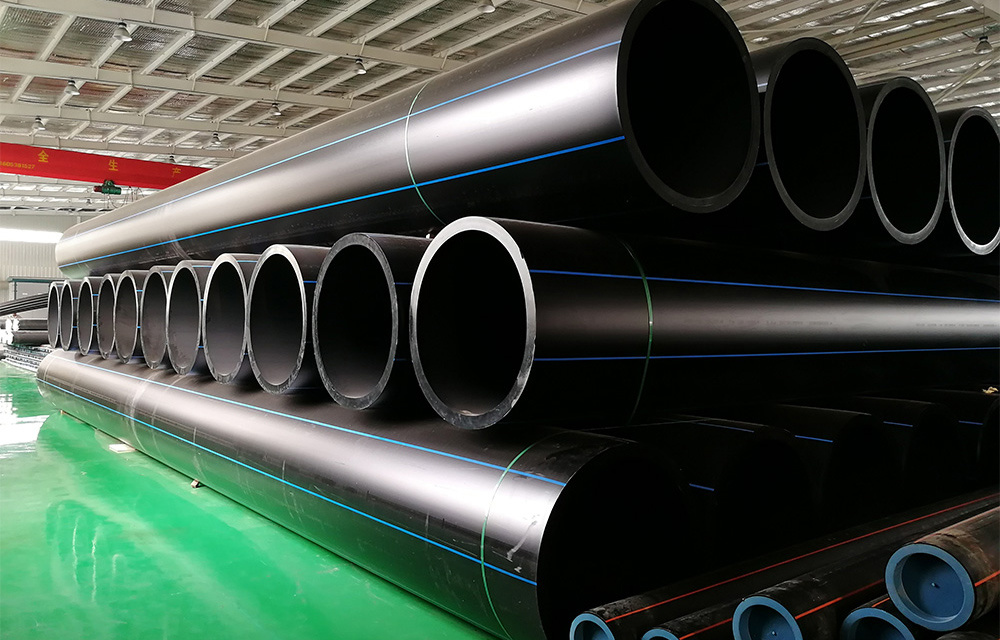
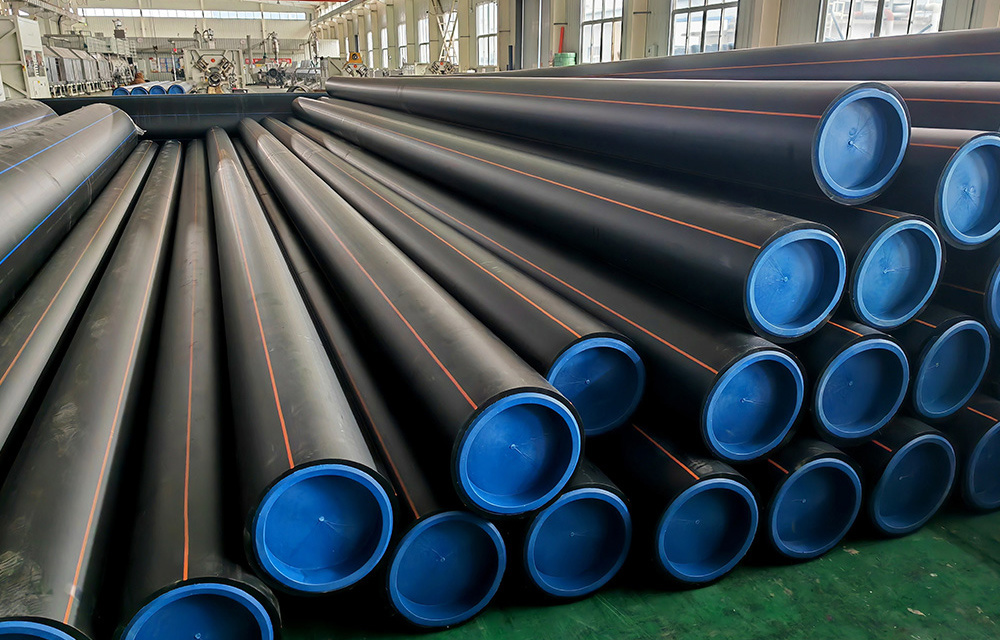
High-Density Polyethylene (HDPE) is a thermoplastic polymer that is known for its high tensile strength and resistance to impact and chemicals. HDPE pipes are manufactured from this material and offer various benefits that make them suitable for many applications, including those involving geothermal energy systems.
HDPE pipes are characterized by their high-density molecular structure, which contributes to their robustness and durability. These pipes are available in different sizes and can be easily customized to meet specific needs, making them an ideal choice for a wide range of geothermal applications.
3. Key Benefits of Using HDPE Pipes in Geothermal Systems
3.1 Durability and Longevity
One of the primary advantages of HDPE pipes is their **exceptional durability**. These pipes are designed to withstand extreme temperatures and pressures, making them suitable for the demanding conditions of geothermal applications. Compared to traditional materials, HDPE pipes can last over 50 years, significantly reducing the need for replacements and repairs.
Moreover, the molecular structure of HDPE allows it to resist deformation, ensuring that it maintains its shape and structural integrity over time. This durability translates to lower maintenance costs and fewer disruptions in geothermal operations.
3.2 Corrosion Resistance
Geothermal systems often involve the circulation of fluids that can be corrosive over time. **HDPE pipes excel in this aspect** due to their inherent resistance to corrosion. Unlike metal pipes, which can rust and degrade when exposed to moisture and minerals, HDPE pipes remain unaffected by these conditions.
This corrosion resistance not only enhances the longevity of the pipes but also ensures that the geothermal fluid remains uncontaminated. As a result, the efficiency of the geothermal system is maintained, leading to optimal performance.
3.3 Flexibility and Ease of Installation
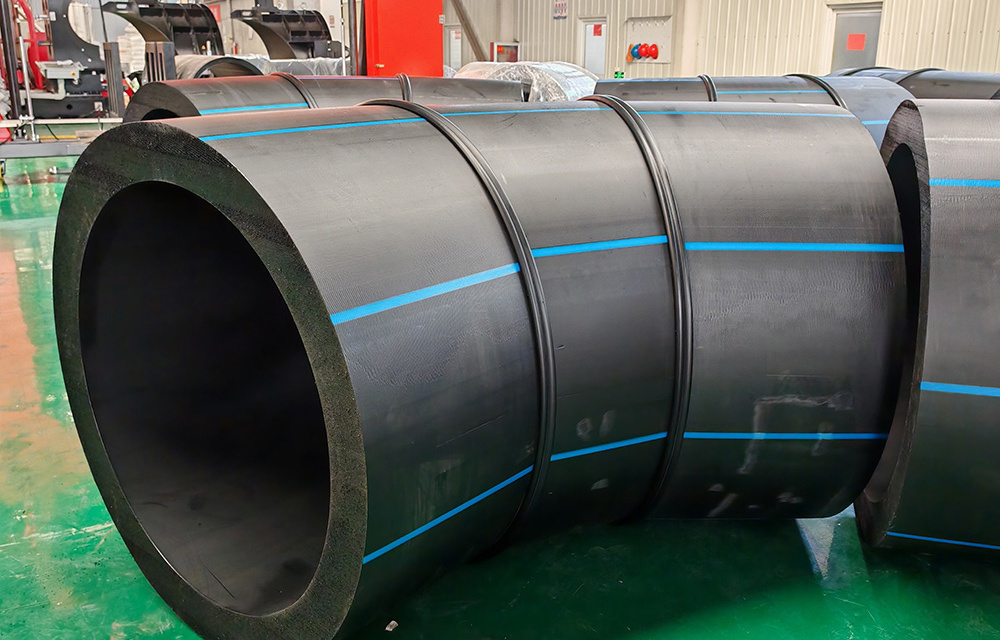
Another significant advantage of HDPE pipes is their **flexibility**. This characteristic allows for easier transport and installation, especially in challenging terrains where rigid pipes may present difficulties. The ability to bend and curve without compromising structural integrity facilitates various installation methods, including trenchless technology.
Furthermore, HDPE pipes can be joined using heat fusion techniques, creating seamless connections that enhance the overall reliability of the system. This ease of installation reduces labor costs and minimizes project timelines, making HDPE pipes an attractive choice for geothermal projects.
3.4 Cost-Effectiveness
While the initial investment in HDPE pipes may be slightly higher than that of traditional materials, the long-term benefits significantly outweigh the costs. The **cost-effectiveness** of HDPE pipes is attributed to their durability, low maintenance needs, and resistance to corrosion, which collectively reduce the total cost of ownership.
In addition, the efficient installation process associated with HDPE pipes leads to lower labor costs and faster project completion. These factors make HDPE pipes a wise financial choice for geothermal system operators looking to optimize their budgets.
4. Applications of HDPE Pipes in Geothermal Systems
HDPE pipes are widely used in various geothermal applications, including:
- **Geothermal Heating and Cooling**: HDPE pipes are integral in ground-source heat pump systems, facilitating the transfer of heat between the ground and buildings.
- **Reinjection Wells**: These pipes are used for fluid reinjection processes, where geothermal fluids are injected back into the ground to maintain reservoir pressure.
- **Vertical and Horizontal Loops**: HDPE pipes are employed in both vertical and horizontal loop systems, ensuring efficient heat exchange between the ground and the fluid circulating within the pipes.
The versatility of HDPE pipes enables their usage across multiple geothermal applications, making them an essential component in modern geothermal systems.
5. HDPE Pipes vs. Other Pipe Materials in Geothermal Applications
When considering materials for geothermal piping, it is essential to compare HDPE pipes with other common materials, such as PVC, steel, and copper.
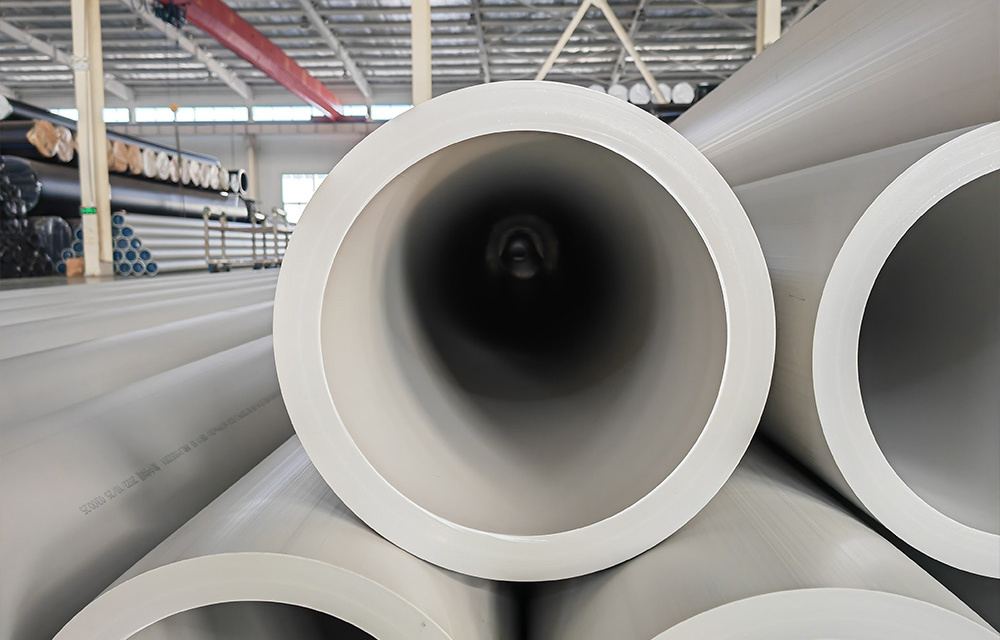
- **PVC Pipes**: While PVC is lightweight and resistant to corrosion, it is not as durable as HDPE. PVC pipes can become brittle over time, especially when exposed to extreme temperatures, making them less suitable for geothermal applications.
- **Steel Pipes**: Steel offers strength but is vulnerable to corrosion, particularly in geothermal environments where moisture and minerals are present. In contrast, HDPE's corrosion resistance provides a more reliable option for long-term use.
- **Copper Pipes**: Copper pipes are known for their thermal conductivity; however, they are more expensive than HDPE and can corrode over time. HDPE pipes provide a cost-effective and durable alternative without sacrificing performance.
Overall, HDPE pipes outperform other materials in terms of durability, resistance to corrosion, and overall cost-effectiveness in geothermal applications.
6. Installation and Maintenance of HDPE Pipes
Installing HDPE pipes involves several key steps to ensure optimal performance:
- **Site Preparation**: Preparing the site involves surveying the land and ensuring that the installation area is free of obstacles.
- **Trenching or Boring**: Depending on the installation method, either trenching or boring may be used to lay the pipes.
- **Joining Techniques**: HDPE pipes can be joined using heat fusion or mechanical fittings, creating a seamless connection that prevents leaks.
- **Testing for Leaks**: After installation, it is critical to conduct pressure tests to ensure that there are no leaks in the system.
Maintenance of HDPE pipes is minimal due to their durability and resistance to corrosion. Regular inspections should be conducted to check for any signs of damage or degradation, but overall, HDPE piping systems require significantly less maintenance compared to traditional materials.
7. Conclusion
In conclusion, **HDPE pipes offer numerous benefits** for geothermal applications, including their durability, corrosion resistance, flexibility, and cost-effectiveness. These attributes make them an ideal choice for professionals seeking to optimize their geothermal systems. By understanding the advantages of HDPE pipes, organizations can enhance their operations and contribute to sustainable energy solutions. As the demand for efficient and reliable geothermal systems continues to grow, HDPE pipes will undoubtedly play a crucial role in shaping the industry's future.
FAQs
1. What is the lifespan of HDPE pipes in geothermal systems?
HDPE pipes can last over 50 years in geothermal applications, reducing the need for replacements.
2. Are HDPE pipes environmentally friendly?
Yes, HDPE pipes are recyclable and have a low environmental impact compared to other materials.
3. How do HDPE pipes compare to PVC in geothermal applications?
HDPE pipes are more durable and flexible than PVC, making them a better choice for geothermal systems.
4. Can HDPE pipes be used for both heating and cooling in geothermal systems?
Absolutely, HDPE pipes are versatile and suitable for both heating and cooling applications.
5. What is the cost difference between HDPE and traditional piping materials?
While HDPE may have a higher initial cost, its durability and low maintenance needs make it more cost-effective over time.
Previous Page
Previous Page

Customer Service Hotline
Sales Department Email
Website (Web)
Customer Service Email
Business Cooperation Email
Address
No.32 Donghai Road, Cangzhou Development Zone, Hebei Province, China
Company Address
No. 32 Donghai Road, Cangzhou Development Zone, Hebei Province, China