


09
2025
-
11
Essential Guide to Water Treatment Equipment in Industrial Applications
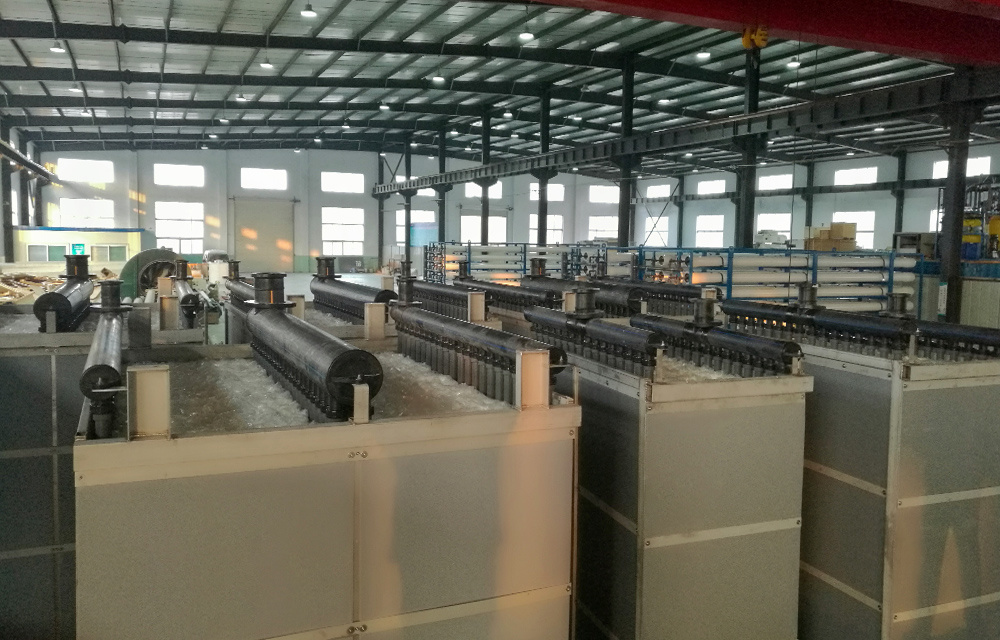
Water treatment equipment is vital in ensuring the effective management of water resources in industrial applications. With increasing regulations and environmental concerns, industries must invest in advanced water treatment solutions to maintain compliance and promote sustainability. One of the primary categories of water treatment equipment includes filtration systems, which remove suspended s
One of the primary categories of water treatment equipment includes filtration systems, which remove suspended solids and impurities from raw water. Different types of filters, such as sand filters, cartridge filters, and membrane filters, cater to specific needs depending on the water quality and intended use. Understanding the specific contaminants present in the raw water is crucial for selecting the appropriate filtration method.
Another essential component of water treatment is disinfection equipment. This technology is critical for eliminating harmful microorganisms that can compromise water safety. Common methods include ultraviolet (UV) light systems, ozone treatment, and chlorination. Each disinfection method has its advantages and limitations, and the choice often depends on factors such as water characteristics, desired level of pathogen removal, and regulatory requirements.
Chemical treatment equipment is also prevalent in raw water processing. This includes dosing systems that add chemicals to adjust pH, coagulate particles, or remove specific contaminants. For example, coagulants such as aluminum sulfate are used to bind smaller particles into larger flocs that can be easily filtered out. Understanding the chemistry involved in water treatment helps operators optimize chemical usage and improve overall treatment efficiency.
In addition to these technologies, monitoring and control systems are critical for the effective operation of water treatment equipment. These systems ensure that water quality parameters remain within acceptable limits and enable real-time adjustments to treatment processes. Automated systems can enhance efficiency by providing precise dosing and reducing human error.
When selecting water treatment equipment, it's essential to consider the scale of operation, water source characteristics, and specific treatment goals. Conducting a thorough water quality analysis allows industries to tailor their treatment strategies effectively. Additionally, leveraging advanced technologies, such as IoT and data analytics, can significantly improve operational efficiency and reduce maintenance costs.
In conclusion, investing in the right water treatment equipment is crucial for industrial operations seeking to manage water resources responsibly. By understanding the various available solutions and their applications, industries can enhance water quality, comply with regulations, and contribute to sustainable practices. Whether through filtration, disinfection, or chemical treatment, optimizing water treatment processes is key to achieving operational excellence in the industrial sector.

Customer Service Hotline
Sales Department Email
Website (Web)
Customer Service Email
Business Cooperation Email
Address
No.32 Donghai Road, Cangzhou Development Zone, Hebei Province, China
Company Address
No. 32 Donghai Road, Cangzhou Development Zone, Hebei Province, China