


10
2025
-
11
The Best Brands of PE Irrigation Pipes: What You Should Know
The Best Brands of PE Irrigation Pipes: What You Should Know In the realm of agriculture, efficient water management is crucial for maximizing yields and ensuring sustainable practices. One of the most effective tools for achieving this is the use of **Polyethylene (PE) irrigation pipes**. Known for their flexibility, chemical resistance, and durability, PE pipes have become a staple in agricultur
The Best Brands of PE Irrigation Pipes: What You Should Know
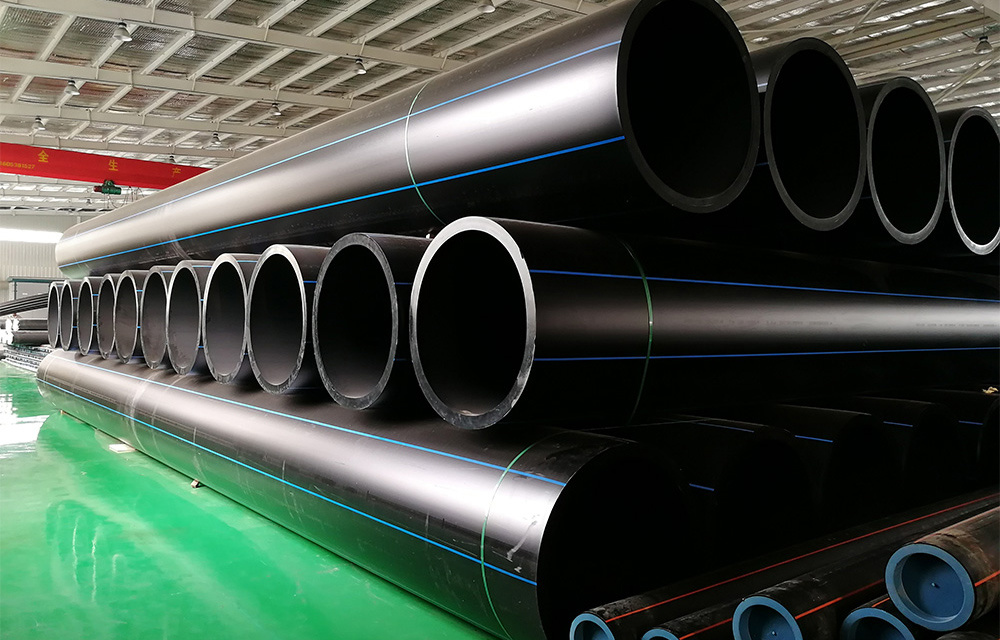
In the realm of agriculture, efficient water management is crucial for maximizing yields and ensuring sustainable practices. One of the most effective tools for achieving this is the use of **Polyethylene (PE) irrigation pipes**. Known for their flexibility, chemical resistance, and durability, PE pipes have become a staple in agricultural irrigation. In this comprehensive guide, we will delve into the best brands of PE irrigation pipes, helping you make an informed decision for your agricultural needs.
Table of Contents
1. Introduction to PE Irrigation Pipes
2. Advantages of Using PE Irrigation Pipes
2.1 Durability and Longevity
2.2 Flexibility and Ease of Installation
2.3 Cost-Effectiveness
3. Top Brands of PE Irrigation Pipes
3.1 Brand A: High-Quality Solutions
3.2 Brand B: Innovative Technology
3.3 Brand C: Eco-Friendly Options
3.4 Brand D: Affordable Choices
3.5 Brand E: Premium Performance
4. Key Features to Consider When Choosing PE Irrigation Pipes
4.1 Pipe Size and Thickness
4.2 Pressure Rating
4.3 Compatibility with Fittings
5. Frequently Asked Questions (FAQs)
6. Conclusion
1. Introduction to PE Irrigation Pipes
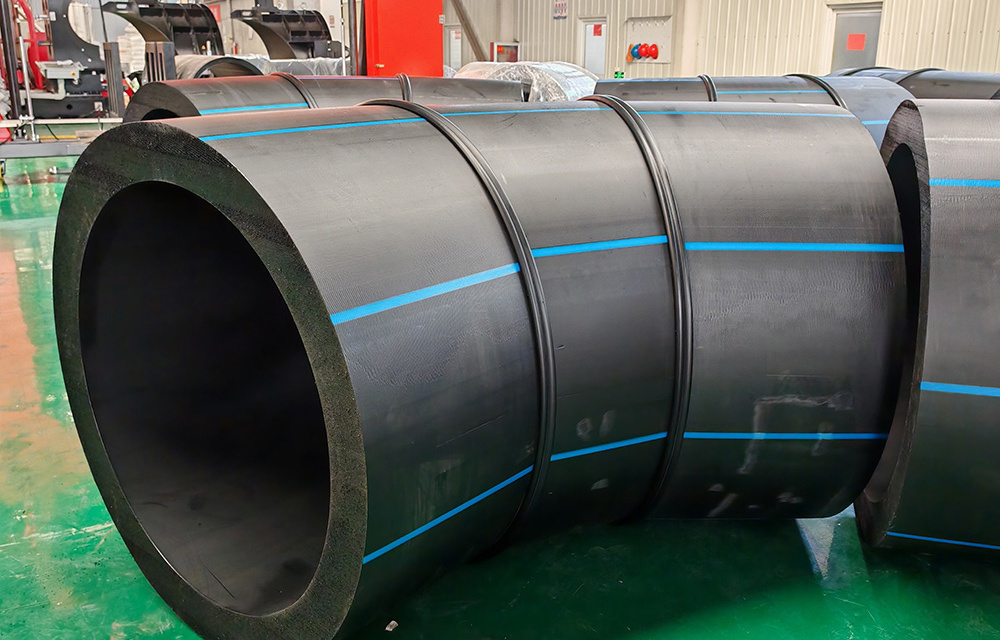
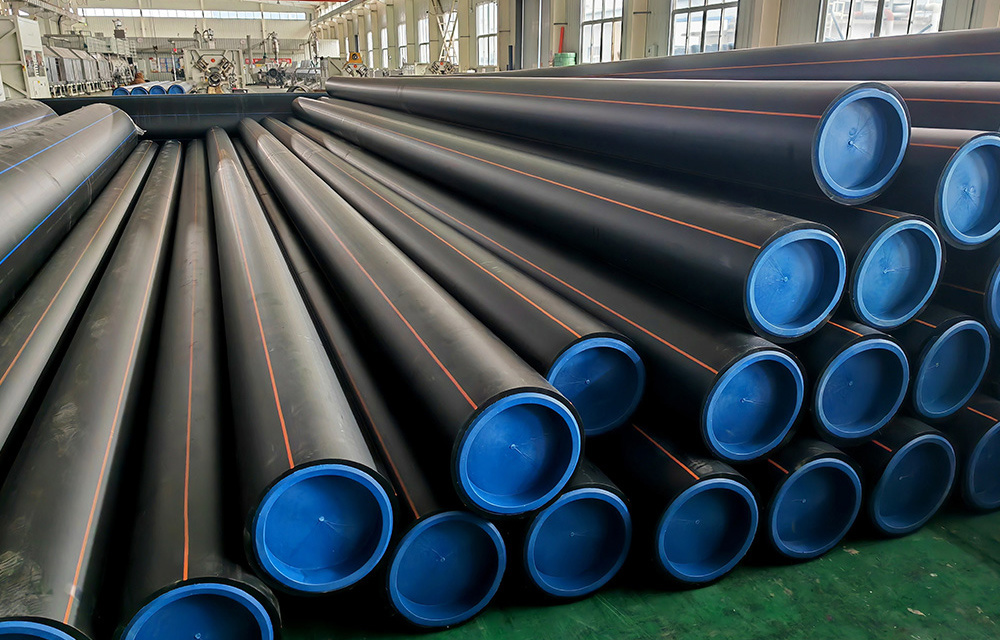
**Polyethylene irrigation pipes** are specifically designed for transporting water efficiently in agricultural settings. Made from high-density polyethylene, these pipes are known for their impressive strength-to-weight ratio and resistance to environmental stressors. Farmers and agricultural professionals utilize these pipes to create effective irrigation systems that can adapt to various landscape configurations and weather conditions.
2. Advantages of Using PE Irrigation Pipes
PE irrigation pipes offer numerous benefits that make them the preferred choice for many agricultural applications.
2.1 Durability and Longevity
One of the standout features of PE pipes is their durability. They can withstand harsh weather conditions, ultraviolet (UV) radiation, and various chemical fertilizers without degrading. This resilience translates to a longer lifespan, reducing the need for frequent replacements.
2.2 Flexibility and Ease of Installation
The flexibility of PE irrigation pipes allows for easy installation, even in complex layouts. Unlike rigid pipes, PE pipes can bend and contour to the landscape, making them ideal for uneven terrains. Their lightweight nature also simplifies transportation and handling.
2.3 Cost-Effectiveness
While the upfront cost may be slightly higher than other materials, the durability and low maintenance requirements of PE pipes lead to significant savings over time. Farmers can invest in a system that requires fewer repairs and replacements, ultimately benefiting their bottom line.
3. Top Brands of PE Irrigation Pipes
When selecting PE irrigation pipes, it's essential to consider reputable brands known for their quality and performance. Here are some of the best brands in the market:
3.1 Brand A: High-Quality Solutions
**Brand A** is synonymous with **reliability and excellence** in the irrigation industry. Their PE irrigation pipes are produced using advanced manufacturing techniques, ensuring uniformity and strength. Ideal for both agricultural and landscaping applications, Brand A's products come in various sizes to meet diverse needs.
3.2 Brand B: Innovative Technology
**Brand B** stands out for its commitment to innovation. They incorporate cutting-edge technology in their manufacturing processes, resulting in PE pipes that not only perform exceptionally well but also meet strict environmental standards. Brand B's lines include options for high-pressure applications, making them versatile for different irrigation systems.
3.3 Brand C: Eco-Friendly Options
For environmentally conscious farmers, **Brand C** offers eco-friendly PE irrigation pipes made from recycled materials. These pipes maintain the same level of durability and flexibility as traditional options, providing sustainable solutions without compromising quality. Brand C also emphasizes reducing the overall carbon footprint in their production processes.
3.4 Brand D: Affordable Choices
**Brand D** provides budget-friendly PE irrigation pipes without sacrificing quality. Their products are designed for ease of installation and long-lasting performance, making them an excellent choice for small-scale farmers and hobbyists. Brand D's commitment to affordability ensures that quality irrigation systems are accessible to a broader audience.
3.5 Brand E: Premium Performance
When seeking top-tier performance, **Brand E** delivers exceptional results with their advanced PE irrigation pipes. These pipes are engineered for high efficiency and can handle extreme weather conditions. Farmers looking for optimal water delivery and pressure management will find Brand E's offerings particularly beneficial.
4. Key Features to Consider When Choosing PE Irrigation Pipes
Selecting the right PE irrigation pipes involves understanding your specific needs and the features that will best serve them.
4.1 Pipe Size and Thickness
The size and thickness of PE pipes are critical factors that determine their capability to efficiently transport water. It's essential to choose a pipe size that matches the flow requirements of your irrigation system. Thicker pipes can generally withstand higher pressure, making them suitable for more demanding applications.
4.2 Pressure Rating
Each PE irrigation pipe comes with a designated pressure rating, indicating the maximum pressure the pipe can handle. Ensure that the selected pipes match the pressure requirements of your irrigation system to prevent leaks and bursts.
4.3 Compatibility with Fittings
Compatibility with fittings and connectors is crucial for a seamless installation process. Check that the pipe’s diameter aligns with the fittings you plan to use to ensure a secure and leak-free connection.
5. Frequently Asked Questions (FAQs)
1. How long do PE irrigation pipes last?
PE irrigation pipes can last up to 50 years or more, depending on factors such as installation quality, environmental conditions, and maintenance practices.
2. Are PE irrigation pipes resistant to UV rays?
Yes, high-quality PE irrigation pipes are designed to resist UV rays, minimizing degradation over time when exposed to sunlight.
3. Can PE irrigation pipes be recycled?
Many PE irrigation pipes are recyclable, especially those made from high-density polyethylene. However, it's essential to check with local recycling facilities for specific guidelines.
4. What is the best way to install PE irrigation pipes?
Proper installation involves planning the layout, ensuring compatibility with fittings, and securely connecting the pipes. It’s advisable to follow manufacturer guidelines for the best results.
5. How do I maintain PE irrigation pipes?
Regular inspections for leaks, ensuring proper pressure levels, and flushing out any debris can help maintain the integrity and performance of your PE irrigation system.
6. Conclusion
In conclusion, selecting the best brand of PE irrigation pipes is vital for optimizing your irrigation systems. With numerous advantages such as durability, flexibility, and cost-effectiveness, PE pipes have become a standard choice for farmers worldwide. By considering the top brands and their unique offerings, along with key features that align with your specific needs, you can ensure a successful and sustainable irrigation strategy. Investing in high-quality PE irrigation pipes will not only enhance your agricultural productivity but also contribute to better water management practices for a more sustainable future.

Customer Service Hotline
Sales Department Email
Website (Web)
Customer Service Email
Business Cooperation Email
Address
No.32 Donghai Road, Cangzhou Development Zone, Hebei Province, China
Company Address
No. 32 Donghai Road, Cangzhou Development Zone, Hebei Province, China