


08
2025
-
11
Understanding the Benefits of PE100 Gas Pipe in Industrial Applications
Understanding the Benefits of PE100 Gas Pipe in Industrial Applications Table of Contents Introduction to PE100 Gas Pipes What is PE100? Advantages of PE100 Gas Pipe Durability and Longevity Cost-Effectiveness Safety Features Environmental Benefits Applications of PE100 Gas Pipes in Industrial Settings
Understanding the Benefits of PE100 Gas Pipe in Industrial Applications
Table of Contents
- Introduction to PE100 Gas Pipes
- What is PE100?
- Advantages of PE100 Gas Pipe
- Applications of PE100 Gas Pipes in Industrial Settings
- Installation and Maintenance of PE100 Gas Pipes
- Regulations and Standards for PE100 Gas Pipes
- The Future of PE100 Gas Pipes in Industry
- Conclusion
- Frequently Asked Questions
Introduction to PE100 Gas Pipes
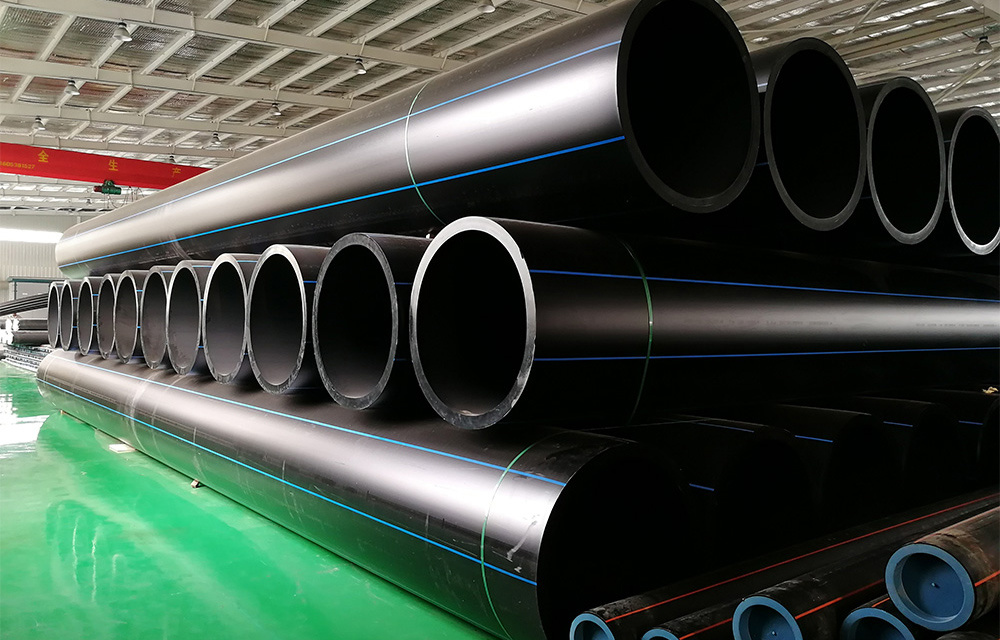
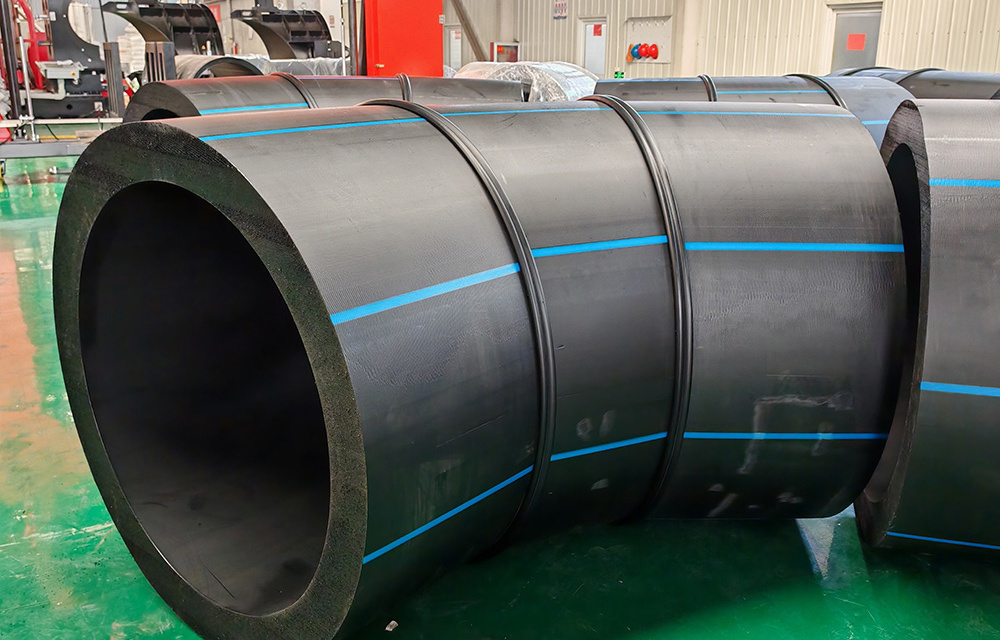
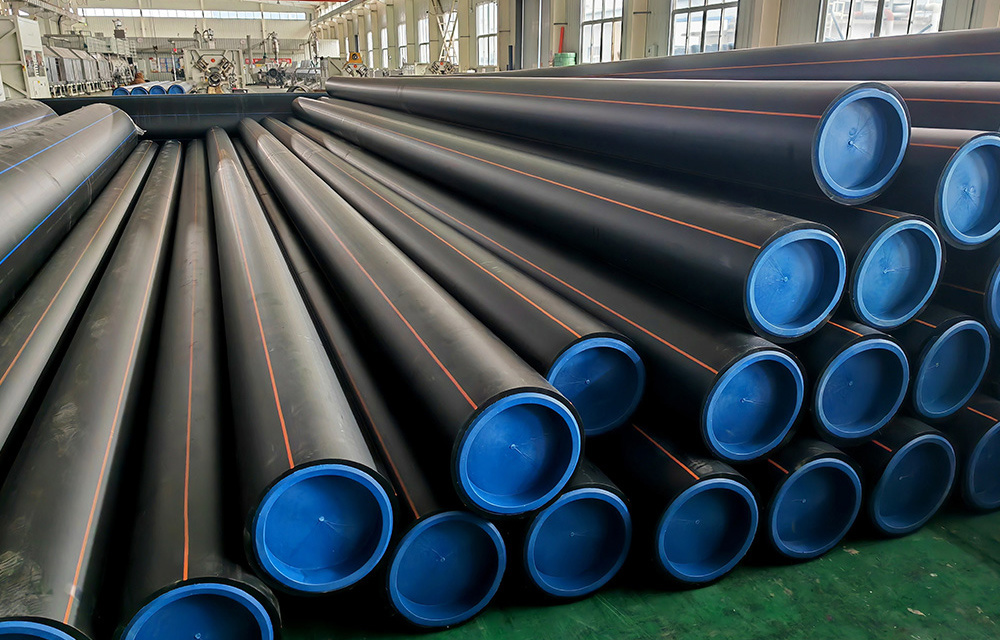
In the evolving landscape of industrial applications, **PE100 gas pipes** have emerged as a game-changer. Their superior properties make them a preferred choice for transporting gas and other fluids in various sectors. As industries seek efficient, durable, and environmentally friendly solutions, the adoption of PE100 gas pipes continues to grow. This article explores the benefits of these pipes and their relevance in modern industrial applications.
What is PE100?
PE100 refers to a specific grade of **polyethylene** that is recognized for its high-density structure, making it ideal for demanding applications, particularly in the gas and water sectors. Characterized by a minimum strength of 10 MPa, PE100 pipes are engineered to withstand high pressures and harsh environmental conditions. This material offers significant advantages over traditional piping materials, including metal and older polyethylene grades.
Advantages of PE100 Gas Pipe
The use of PE100 gas pipes offers a multitude of advantages across various industrial applications. Below are some key benefits that demonstrate why PE100 is a preferred choice.
Durability and Longevity
One of the standout features of **PE100 gas pipes** is their exceptional durability. These pipes are resistant to **corrosion, abrasion**, and chemical attack, which are common issues in industrial environments. Unlike metal pipes, PE100 does not rust or corrode, significantly extending its lifespan. Furthermore, the resilience of PE100 against impacts and ground movements contributes to its long service life, making it a reliable choice for infrastructure projects.
Cost-Effectiveness
From an economic perspective, PE100 gas pipes are remarkably cost-effective. Although the initial investment might be higher compared to traditional materials, the long-term savings are substantial. The reduced need for repairs and replacements, coupled with lower installation costs due to their lightweight nature and ease of handling, makes PE100 an economically sound choice for industrial applications.
Safety Features
Safety is paramount in any industrial setting, and PE100 gas pipes excel in this area. The flexibility and toughness of these pipes decrease the risk of cracks and leaks, which are critical in gas distribution systems. Additionally, PE100 is non-toxic and does not leach harmful substances into the transported gas, ensuring compliance with safety regulations.
Environmental Benefits
The environmental impact of industrial operations is a major concern. PE100 gas pipes contribute positively in this regard by reducing greenhouse gas emissions associated with leaks and material waste. Their efficient manufacturing process and recyclability further enhance their sustainability profile, making them an eco-friendly choice for modern industrial applications.
Applications of PE100 Gas Pipes in Industrial Settings
PE100 gas pipes find application across various industrial sectors, addressing specific needs with their unique properties. Below, we discuss some of the most prominent applications.
Oil and Gas Industry
In the oil and gas industry, the integrity of **pipeline systems** is crucial. PE100 gas pipes are widely used for transporting natural gas, ensuring safety and efficiency in operations. Their ability to withstand high pressures and resist corrosion makes them suitable for both onshore and offshore applications.
Water Supply Systems
Beyond gas transportation, PE100 pipes are also pivotal in water supply systems. Their durability and resistance to environmental factors make them ideal for conveying potable water. Additionally, their lightweight nature simplifies the installation process, reducing the overall project time and costs.
Other Industrial Applications
PE100 gas pipes are versatile and can be adapted for various other industrial applications, such as in **chemical processing**, waste management systems, and telecommunications. Their adaptability and performance in different environments make them a valuable asset for industrial infrastructure.
Installation and Maintenance of PE100 Gas Pipes
The installation of PE100 gas pipes is straightforward due to their lightweight nature, which allows for easier handling and transportation. Proper installation techniques, including thermal fusion and electrofusion welding, ensure a secure and leak-proof system.
Routine maintenance of PE100 pipes is minimal compared to traditional materials, thanks to their durability and resistance to degradation. Regular inspections and adherence to guidelines can further prolong their service life, making them a low-maintenance option.
Regulations and Standards for PE100 Gas Pipes
Compliance with industry regulations and standards is critical when selecting materials for gas transportation. PE100 gas pipes are manufactured in accordance with international standards such as ISO 4427 and EN 1555. These certifications guarantee that they meet safety and quality requirements, reinforcing their suitability for industrial applications.
The Future of PE100 Gas Pipes in Industry
As industries continue to advance, the demand for efficient and sustainable solutions will drive the evolution of materials like PE100. Innovations in manufacturing processes and applications will further enhance the performance and versatility of PE100 gas pipes. The increasing focus on environmental sustainability also suggests a promising future for PE100, as more industries recognize its benefits.
Conclusion
The advantages of **PE100 gas pipes** in industrial applications are undeniable. From their durability and cost-effectiveness to their safety features and environmental benefits, PE100 pipes offer a comprehensive solution for gas transportation and other industrial needs. As industries evolve, the role of PE100 gas pipes will only expand, making them an essential component of modern infrastructure.
Frequently Asked Questions
1. What makes PE100 gas pipes better than traditional materials?
PE100 gas pipes offer superior durability, corrosion resistance, and lower maintenance costs compared to traditional materials like metal pipes.
2. Are PE100 gas pipes safe for transporting natural gas?
Yes, PE100 gas pipes are designed to meet stringent safety standards, making them a safe choice for natural gas transportation.
3. How long do PE100 gas pipes last?
With proper installation and maintenance, PE100 gas pipes can last over 50 years, significantly reducing replacement costs.
4. Can PE100 gas pipes be recycled?
Yes, PE100 gas pipes are recyclable, contributing to their environmental sustainability.
5. What are the installation requirements for PE100 gas pipes?
Installation requirements include proper welding techniques, such as thermal fusion, to ensure a secure and leak-proof system. Adhering to industry standards is also essential.
This comprehensive exploration of the benefits and applications of PE100 gas pipes demonstrates their relevance in today’s industrial landscape, paving the way for safer, more efficient, and environmentally sound operations.

Customer Service Hotline
Sales Department Email
Website (Web)
Customer Service Email
Business Cooperation Email
Address
No.32 Donghai Road, Cangzhou Development Zone, Hebei Province, China
Company Address
No. 32 Donghai Road, Cangzhou Development Zone, Hebei Province, China