


25
2026
-
08
Overcoming Challenges in Pipe Jacking with HDPE Pipe: A Comprehensive Guide
Overcoming Challenges in Pipe Jacking with HDPE Pipe: A Comprehensive Guide Table of Contents 1. Introduction to Pipe Jacking and HDPE Pipes 2. Understanding Pipe Jacking Methodology 3. Advantages of Using HDPE Pipes in Pipe Jacking 4. Common Challenges Faced During Pipe Jacking 4.1 Soil Conditions and Their Impact 4.2 Equipment F
Overcoming Challenges in Pipe Jacking with HDPE Pipe: A Comprehensive Guide
Table of Contents
- 1. Introduction to Pipe Jacking and HDPE Pipes
- 2. Understanding Pipe Jacking Methodology
- 3. Advantages of Using HDPE Pipes in Pipe Jacking
- 4. Common Challenges Faced During Pipe Jacking
- 4.1 Soil Conditions and Their Impact
- 4.2 Equipment Failures
- 4.3 Misalignment Issues
- 4.4 Insufficient Jacking Force
- 5. Strategies for Successful Pipe Jacking with HDPE
- 6. Best Practices in Pipe Jacking
- 7. Case Studies Demonstrating Success
- 8. Frequently Asked Questions
- 9. Conclusion
1. Introduction to Pipe Jacking and HDPE Pipes
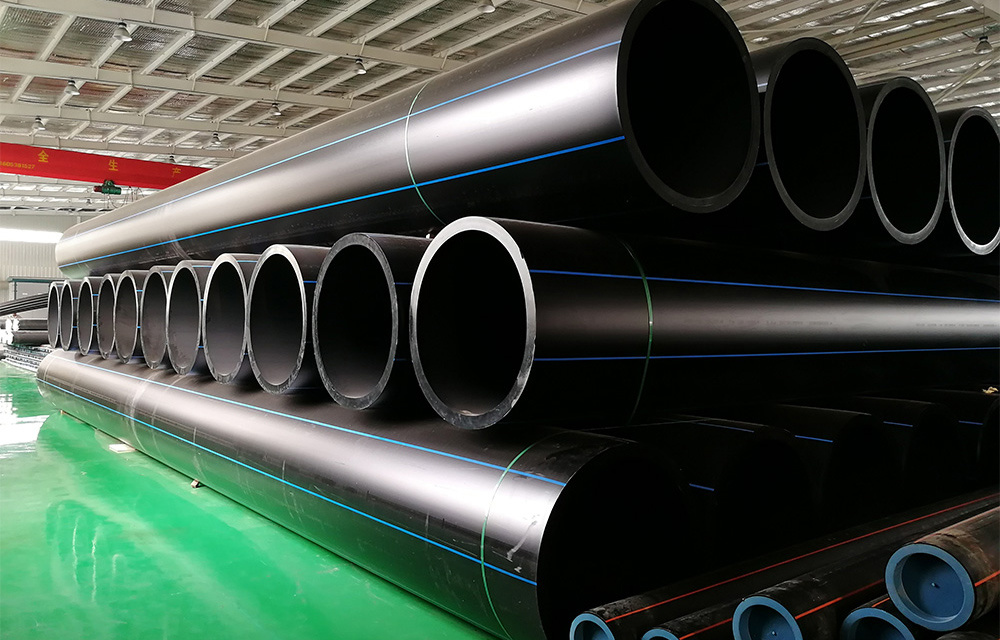
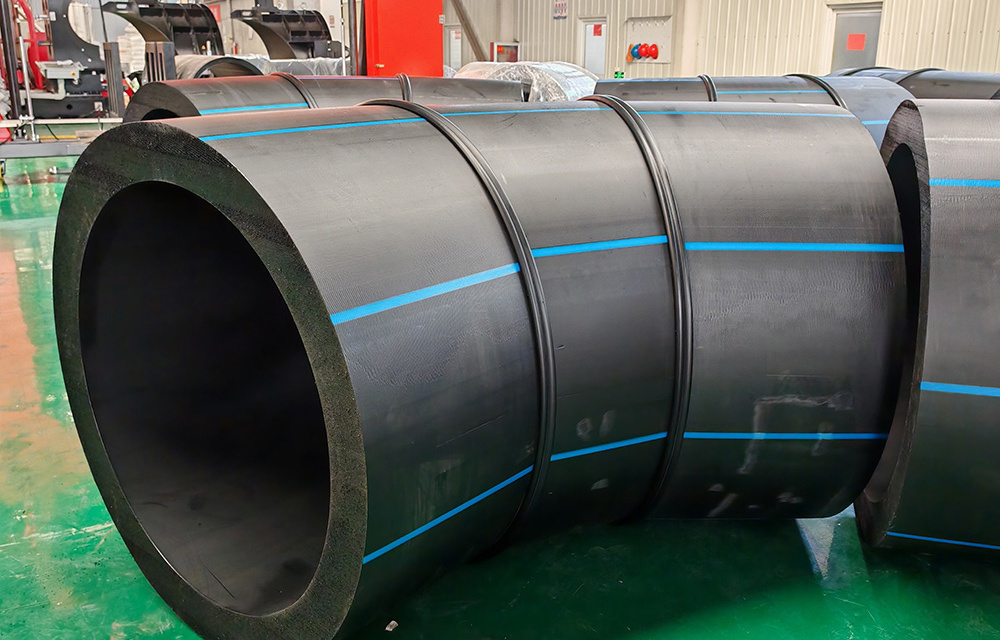
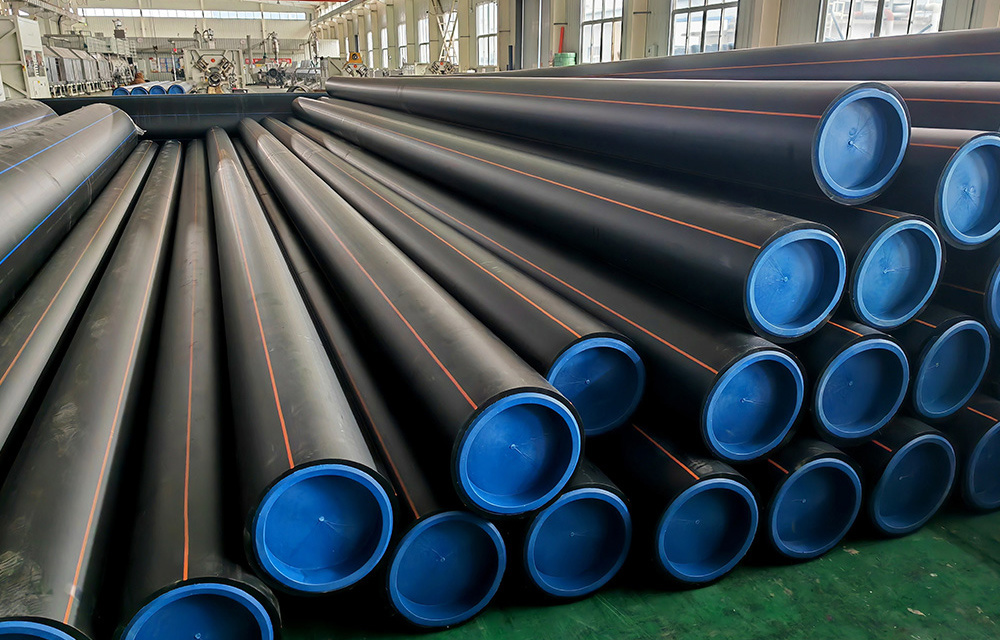
Pipe jacking is a trenchless construction method widely used for installing underground pipelines. This technique minimizes surface disruption while allowing for efficient and effective installation. The use of High-Density Polyethylene (HDPE) pipes in these projects has become increasingly popular due to their strength, flexibility, and resistance to corrosion. As we delve deeper into the challenges associated with pipe jacking using HDPE, we'll explore the advantages it offers and the strategies to navigate potential obstacles.
2. Understanding Pipe Jacking Methodology
Pipe jacking involves the installation of pipes by pushing them through the ground using a hydraulic jack. The process begins with the creation of a launch pit, where the pipe is positioned and aligned for insertion. A jacking frame is then set up to provide stability and support during the operation. The hydraulic jacks push the pipe forward, while a receiving pit is excavated at the other end to allow for the pipe's exit.
The pipe jacking process is not only efficient but also environmentally friendly. By reducing the need for extensive excavation, it minimizes surface disruption, making it an ideal choice for urban areas with existing infrastructure. However, despite its benefits, the method presents several challenges that must be addressed to ensure project success.
3. Advantages of Using HDPE Pipes in Pipe Jacking
High-Density Polyethylene (HDPE) pipes offer numerous advantages when used in pipe jacking applications:
1. **Durability**: HDPE pipes are resistant to corrosion and chemical damage, ensuring a longer lifespan compared to traditional materials.
2. **Flexibility**: The inherent flexibility of HDPE allows it to withstand ground movements without cracking, making it ideal for areas with shifting soils.
3. **Lightweight**: Compared to other materials, HDPE pipes are lighter, which simplifies transportation and handling during installation.
4. **Reduced Friction**: The smooth interior surface of HDPE pipes reduces friction loss, leading to lower energy costs during fluid transport.
5. **Jointing Options**: HDPE allows for various jointing methods, including butt fusion and electrofusion, enhancing installation efficiency.
These advantages contribute to the growing preference for HDPE pipes in pipe jacking operations, but they also introduce specific challenges that must be carefully managed.
4. Common Challenges Faced During Pipe Jacking
While the benefits of using HDPE pipes in pipe jacking are clear, several challenges can arise during the installation process. Understanding these challenges is crucial for planning and executing successful projects.
4.1 Soil Conditions and Their Impact
Soil conditions play a significant role in the success of pipe jacking projects. The type of soil—whether sandy, clayey, or rocky—affects the jacking process. For example, loose or unstable soils can lead to issues such as heaving or subsidence, making it difficult to advance the pipe. To mitigate these risks, it is essential to conduct thorough geotechnical investigations prior to commencement.
4.2 Equipment Failures
Equipment reliability is paramount in pipe jacking operations. Hydraulic jacks and associated machinery must be well-maintained and appropriate for the project scale. Equipment failures can cause delays, increased costs, and safety risks. Regular inspections and maintenance schedules should be established to reduce the likelihood of breakdowns.
4.3 Misalignment Issues
Misalignment during the jacking process can lead to significant complications, including increased resistance and potential failure to complete the installation. Precise alignment techniques, such as laser-guided systems, can help ensure that the pipe remains on target throughout the jacking process. Employing skilled operators who understand the importance of alignment is also critical.
4.4 Insufficient Jacking Force
Insufficient jacking force can impede progress, particularly in challenging soil conditions. Calculating the appropriate jacking force based on pipe size, length, and soil resistance is crucial. Engineers should carefully evaluate these factors before initiating the jacking process to avoid unnecessary delays.
5. Strategies for Successful Pipe Jacking with HDPE
To overcome the challenges associated with pipe jacking using HDPE pipes, several effective strategies can be implemented. Adopting these techniques can enhance efficiency, reduce risks, and ensure successful project completion.
1. **Conduct Comprehensive Site Investigations**: Understanding soil types, groundwater levels, and existing utilities is essential for planning and executing pipe jacking projects effectively.
2. **Utilize Advanced Technology**: Employing technologies such as 3D modeling and laser guidance systems can improve accuracy and minimize misalignment risks during jacking.
3. **Engage Experienced Professionals**: Skilled operators and engineers with expertise in pipe jacking can provide valuable insights and contribute to smoother operations.
4. **Plan for Contingencies**: Developing contingency plans for potential equipment failures or unforeseen soil conditions can help teams respond quickly and effectively.
5. **Implement Regular Maintenance Protocols**: Establishing maintenance schedules for all equipment involved in the jacking process can prevent unexpected breakdowns and associated delays.
6. Best Practices in Pipe Jacking
Following best practices during pipe jacking projects can greatly enhance the likelihood of success. Here are some key practices to consider:
1. **Detailed Planning and Simulation**: Before commencing excavation, perform simulations to anticipate challenges and develop comprehensive plans.
2. **Continuous Monitoring**: Using monitoring systems during jacking operations can help detect issues early, allowing for timely interventions.
3. **Effective Communication**: Ensure clear communication among all team members to coordinate actions and address challenges as they arise.
4. **Safety Protocols**: Prioritize safety by implementing robust protocols and training team members on emergency procedures.
5. **Documentation and Reporting**: Keep detailed records of the jacking process, including any challenges faced and solutions implemented, to inform future projects.
7. Case Studies Demonstrating Success
A few case studies illustrate the successful implementation of pipe jacking using HDPE pipes, showcasing how challenges were effectively addressed:
- **Case Study 1: Urban Infrastructure Renewal**: In a major city, a pipe jacking project was initiated to replace aging sewage lines. By conducting a thorough geotechnical analysis and implementing advanced monitoring systems, the team successfully navigated challenging soil conditions and completed the project on time.
- **Case Study 2: Highway Expansion**: During a highway expansion project, a contractor faced misalignment issues while jacking HDPE pipes under an existing road. By employing laser guidance technology and skilled operators, they corrected the alignment in real-time, ensuring minimal disruption to traffic and successful installation.
- **Case Study 3: Industrial Wastewater Management**: A factory required new pipelines for wastewater management. Utilizing HDPE pipes, the contractor overcame rocky soil conditions by employing powerful hydraulic jacks and thorough planning, resulting in a swift and efficient installation.
8. Frequently Asked Questions
**Q1: What is pipe jacking?**
A1: Pipe jacking is a trenchless construction method used for installing underground pipelines by pushing them through the ground using hydraulic jacks.
**Q2: Why use HDPE pipes in pipe jacking?**
A2: HDPE pipes are durable, flexible, lightweight, and resistant to corrosion, making them an excellent choice for underground installations.
**Q3: What are common challenges faced during pipe jacking?**
A3: Common challenges include soil conditions, equipment failures, misalignment, and insufficient jacking force.
**Q4: How can misalignment be avoided during pipe jacking?**
A4: Employing advanced guidance systems and skilled operators can help maintain proper alignment throughout the jacking process.
**Q5: What best practices should be followed in pipe jacking?**
A5: Best practices include detailed planning, continuous monitoring, effective communication, and robust safety protocols.
9. Conclusion
In conclusion, overcoming challenges in pipe jacking with HDPE pipes requires a combination of strategic planning, advanced technology, and skilled execution. By understanding the potential obstacles and employing effective solutions, project teams can achieve successful installations with minimal disruptions. The benefits of using HDPE pipes, coupled with best practices in the industry, position pipe jacking as a viable and efficient method for underground pipeline installation in various applications. With a commitment to quality and excellence, the challenges of pipe jacking can be effectively navigated, paving the way for successful infrastructure development.

Customer Service Hotline
Sales Department Email
Website (Web)
Customer Service Email
Business Cooperation Email
Address
No.32 Donghai Road, Cangzhou Development Zone, Hebei Province, China
Company Address
No. 32 Donghai Road, Cangzhou Development Zone, Hebei Province, China