


18
2026
-
08
Understanding the Role of HDPE Pipe in Landfill Leachate Management
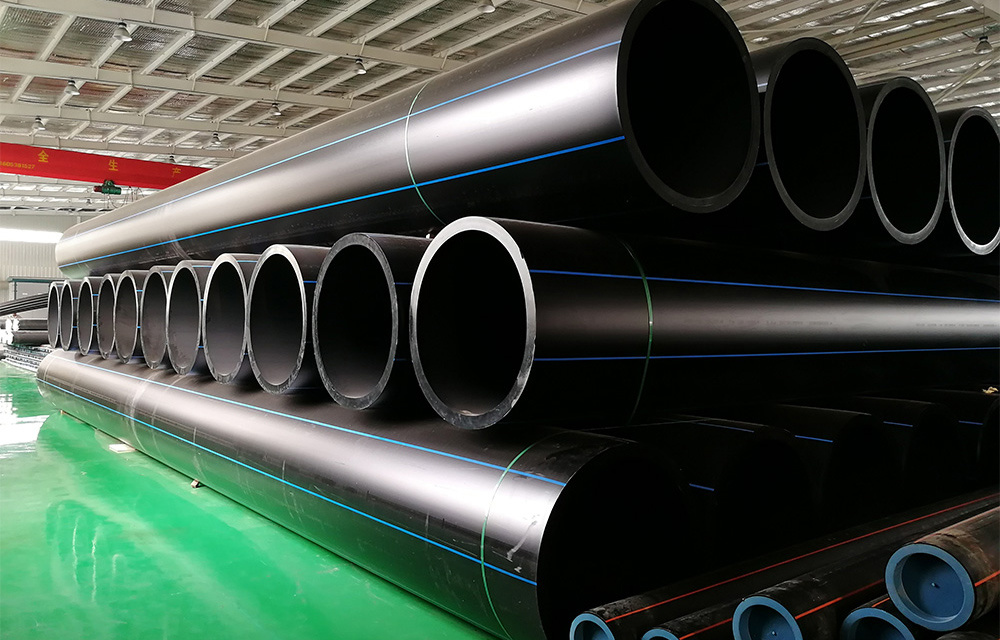
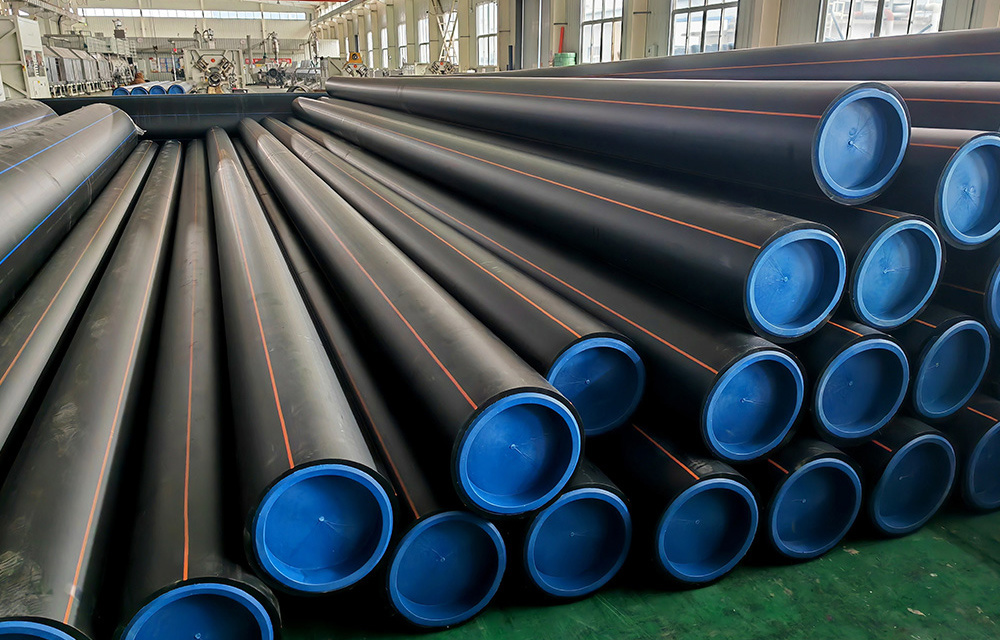
Landfill leachate management is a critical aspect of waste management, and the selection of appropriate materials for leachate collection systems is crucial. High-Density Polyethylene (HDPE) pipes have become a preferred choice for this application due to their excellent chemical resistance, durability, and flexibility. HDPE pipes are designed to withstand the harsh conditions typically found in
HDPE pipes are designed to withstand the harsh conditions typically found in landfill environments. Leachate, which is the liquid that drains or leaches from a landfill, can be highly corrosive and contain various hazardous substances. The chemical resistance of HDPE means that it can effectively handle these leachate constituents without degrading, ensuring long-term performance. This characteristic is vital in preventing environmental contamination and protecting groundwater supplies.
Another key advantage of HDPE pipes is their durability. They have a long service life, often exceeding 50 years, which makes them an economical choice for landfill operations. The material's resistance to UV radiation and extreme temperatures further enhances its longevity, reducing the need for frequent repairs or replacements.
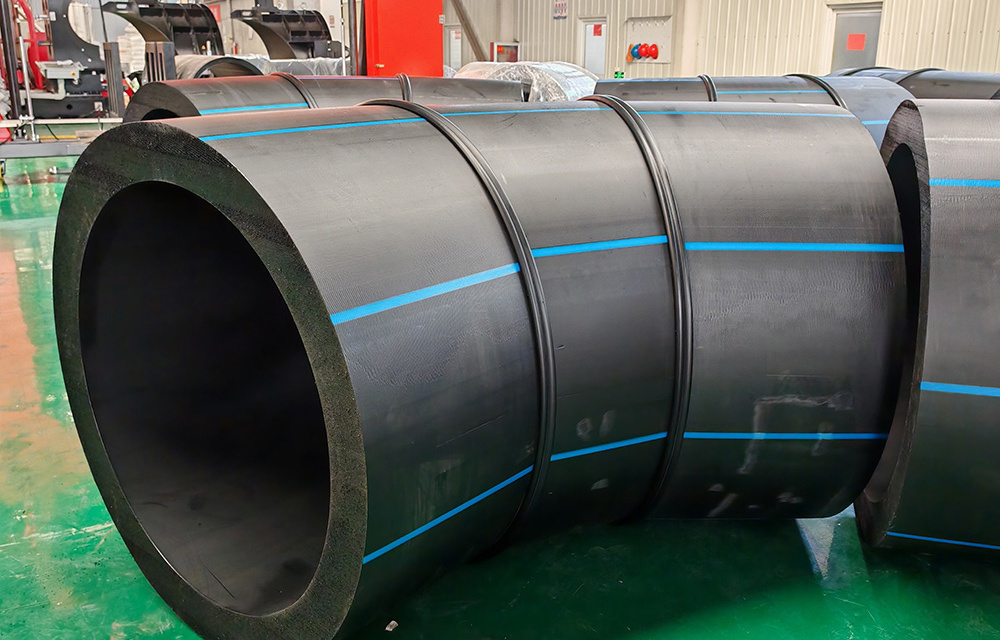
The flexibility of HDPE pipes allows for easier installation, especially in challenging terrain or areas where conventional rigid pipes might struggle. This adaptability can lead to significant cost savings during installation, as well as reduced labor time. Additionally, HDPE pipes can be joined using various methods, including heat fusion, which creates strong and leak-free joints that are especially crucial in leachate systems.
Furthermore, the lightweight nature of HDPE makes transportation and handling more efficient compared to heavier materials. This is particularly beneficial in remote landfill locations where access may be limited. The ease of installation combined with the material's inherent properties allows for a more streamlined construction process.
In terms of environmental impact, utilizing HDPE pipes for landfill leachate management aligns with sustainability goals. These pipes are often made from recycled materials and are fully recyclable at the end of their life cycle. This feature supports the circular economy and contributes to reduced waste generation in the piping industry.
In conclusion, HDPE pipes play a significant role in landfill leachate management, offering numerous advantages such as chemical resistance, durability, flexibility, and ease of installation. Their use not only ensures effective leachate handling but also supports environmental sustainability. For professionals in the industrial equipment and piping sector, understanding the benefits and applications of HDPE pipes is essential for optimizing landfill operations and enhancing compliance with environmental regulations.

Customer Service Hotline
Sales Department Email
Website (Web)
Customer Service Email
Business Cooperation Email
Address
No.32 Donghai Road, Cangzhou Development Zone, Hebei Province, China
Company Address
No. 32 Donghai Road, Cangzhou Development Zone, Hebei Province, China