


24
2026
-
04
Designing Effective Leachate Management Systems Using HDPE Pipe for Enhanced Environmental Protection
Designing Effective Leachate Management Systems Using HDPE Pipe for Enhanced Environmental Protection Table of Contents Introduction to Leachate Management Understanding Leachate and Its Impact Why Choose HDPE Pipe for Leachate Management? Key Design Considerations for Leachate Systems Best Installation Techniques for HDPE Pipe Maintenance and Monitoring of Leachate System
Designing Effective Leachate Management Systems Using HDPE Pipe for Enhanced Environmental Protection
Table of Contents
- Introduction to Leachate Management
- Understanding Leachate and Its Impact
- Why Choose HDPE Pipe for Leachate Management?
- Key Design Considerations for Leachate Systems
- Best Installation Techniques for HDPE Pipe
- Maintenance and Monitoring of Leachate Systems
- Case Studies: Effective Use of HDPE in Leachate Management
- Conclusion: Future of Leachate Management Systems
- Frequently Asked Questions
Introduction to Leachate Management
Leachate management is crucial for environmental protection, particularly in landfills and waste disposal sites. As waste decomposes, it generates leachate— a toxic liquid that can contaminate soil and groundwater. Effective leachate management systems are essential to minimize these risks and protect ecosystems. Utilizing high-density polyethylene (HDPE) pipes offers a robust solution for managing leachate effectively.
Understanding Leachate and Its Impact
Leachate is formed when water infiltrates waste materials, dissolving contaminants and generating a hazardous liquid. This liquid can contain heavy metals, organic pollutants, and pathogens, posing significant risks to public health and the environment.
The impact of leachate contamination can be severe, including:
- **Soil Contamination**: Heavy metals and chemicals can alter soil composition, affecting plant life.
- **Groundwater Pollution**: Contaminated leachate can seep into groundwater, jeopardizing drinking water sources.
- **Surface Water Damage**: Runoff can carry leachate into nearby rivers and lakes, harming aquatic ecosystems.
Understanding these implications emphasizes the need for effective leachate management systems.
Why Choose HDPE Pipe for Leachate Management?
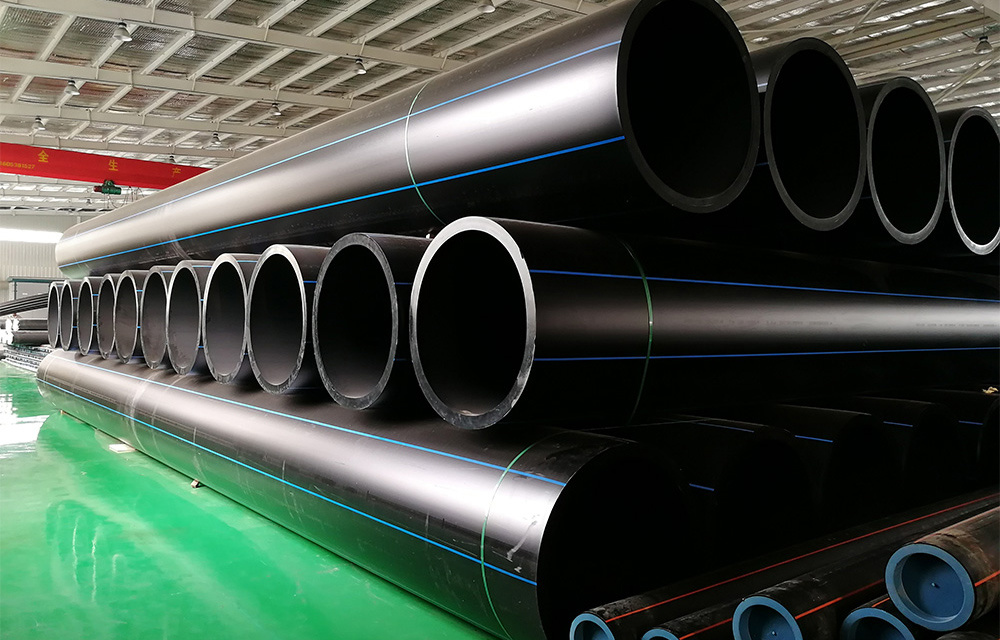
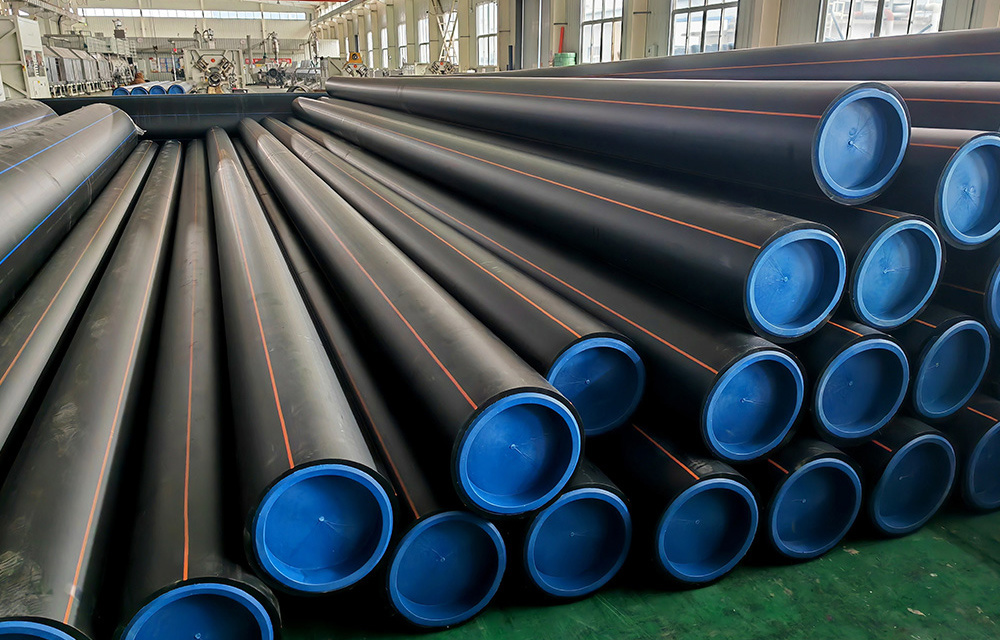
HDPE pipes are increasingly recognized as a superior option for leachate management due to their unique properties:
Durability and Longevity
HDPE pipes are resistant to a wide range of chemicals found in leachate, ensuring longevity even under harsh conditions. Their ability to withstand corrosive environments makes them ideal for leachate applications.
Flexibility and Ease of Installation
HDPE pipes are lightweight and flexible, allowing for easy installation in varied terrains. This flexibility reduces the need for complex fittings and connections, simplifying the overall system design.
Cost-Effectiveness
While the upfront cost of HDPE may be higher than other materials, their durability and lower maintenance requirements lead to cost savings over time.
Environmental Benefits
HDPE is recyclable and can contribute to sustainable waste management practices. Choosing HDPE aligns with eco-friendly initiatives by reducing environmental footprints.
Key Design Considerations for Leachate Systems
Designing an effective leachate management system involves various considerations:
System Layout and Configuration
The layout should ensure maximum drainage efficiency, typically utilizing a gravity-fed system where possible. Consideration must be given to the slope of the pipes to facilitate leachate flow.
Capacity Planning
Estimating the expected leachate volume is critical. Systems should be designed with sufficient capacity to handle peak flows, often requiring analysis of historical leachate generation data.
Material Selection
The choice of materials other than HDPE, such as geotextiles and aggregates, plays a vital role in the overall system performance. Each component must work synergistically to manage leachate effectively.
Regulatory Compliance
It is essential to adhere to local and national regulations regarding leachate management. This includes ensuring that the system design meets or exceeds established standards for environmental protection.
Best Installation Techniques for HDPE Pipe
Proper installation is crucial for the longevity and effectiveness of leachate management systems. Consider these best practices:
Trenching and Bedding
Excavating trenches to the correct depth and width is essential. Proper bedding materials, such as sand or gravel, should be used to support the pipe and prevent deformation.
Joining Methods
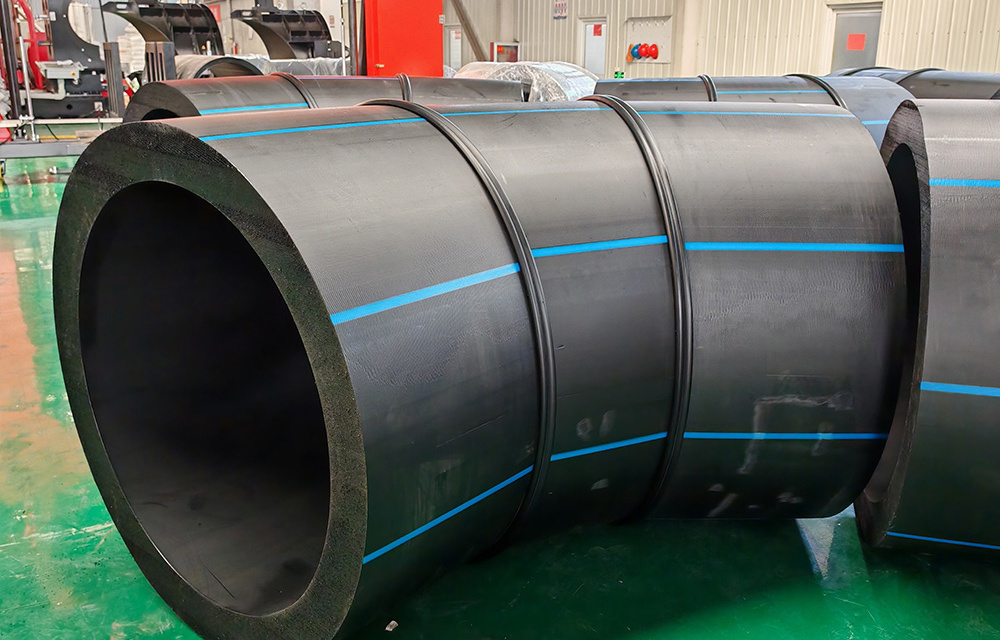
Utilize appropriate joining techniques, such as butt fusion or electrofusion, to ensure leak-free connections. These methods create strong, seamless joints that enhance the overall integrity of the system.
Testing and Quality Assurance
Before backfilling, conduct pressure tests to identify any potential leaks. Regular quality checks during installation can prevent future issues.
Maintenance and Monitoring of Leachate Systems
Ongoing maintenance and monitoring are vital for the success of leachate management systems. Regular inspections can identify potential issues early, allowing for timely interventions.
Regular Inspections
Schedule routine inspections of the entire system, focusing on pipe integrity, joint quality, and overall functionality. Early detection of cracks or leaks can prevent larger problems down the line.
Monitoring Leachate Quality
Regular sampling and testing of leachate can provide valuable data on its composition and potential environmental impacts. This information aids in making informed decisions regarding treatment and disposal.
Updating and Upgrading Systems
As regulations evolve and technology advances, consider periodic upgrades to the leachate management system. This ensures continued compliance and enhances operational efficiency.
Case Studies: Effective Use of HDPE in Leachate Management
Examining real-world applications of HDPE in leachate management can provide insights and best practices.
Case Study 1: Municipal Landfill in California
A municipal landfill in California implemented an HDPE leachate collection system that significantly reduced groundwater contamination. By utilizing advanced monitoring technologies, they were able to efficiently manage leachate flows and maintain compliance with environmental regulations.
Case Study 2: Industrial Waste Facility
An industrial waste facility designed a leachate management system using HDPE pipes in a challenging landscape. The flexible nature of HDPE allowed for a smooth installation that minimized disruption to the surrounding ecosystem while ensuring effective leachate containment.
Conclusion: Future of Leachate Management Systems
The importance of effective leachate management cannot be overstated, particularly as the volume of waste continues to grow. Utilizing HDPE pipes in the design and implementation of leachate management systems offers numerous benefits, including durability, cost-effectiveness, and environmental sustainability.
By prioritizing innovative designs, proper installation techniques, and ongoing maintenance, we can establish robust leachate management systems that protect our environment for future generations. As technology continues to advance, we can expect even more efficient and effective solutions for managing leachate in the years to come.
Frequently Asked Questions
What is leachate?
Leachate is a liquid formed when water seeps through waste materials, dissolving harmful substances and creating a toxic solution.
Why is HDPE preferred for leachate management?
HDPE is durable, resistant to chemicals, flexible, and cost-effective, making it an ideal choice for leachate systems.
How often should leachate management systems be inspected?
Regular inspections should occur at least annually, with more frequent checks recommended during periods of heavy rainfall or after significant operational changes.
What are the environmental risks of poor leachate management?
Poor leachate management can lead to soil and groundwater contamination, posing serious health risks and harming ecosystems.
Can HDPE pipes be recycled?
Yes, HDPE pipes are recyclable and can be repurposed for various applications, contributing to sustainable waste management practices.

Customer Service Hotline
Sales Department Email
Website (Web)
Customer Service Email
Business Cooperation Email
Address
No.32 Donghai Road, Cangzhou Development Zone, Hebei Province, China
Company Address
No. 32 Donghai Road, Cangzhou Development Zone, Hebei Province, China