


23
2026
-
04
Exploring the Benefits of HDPE Pipes in Geothermal Systems
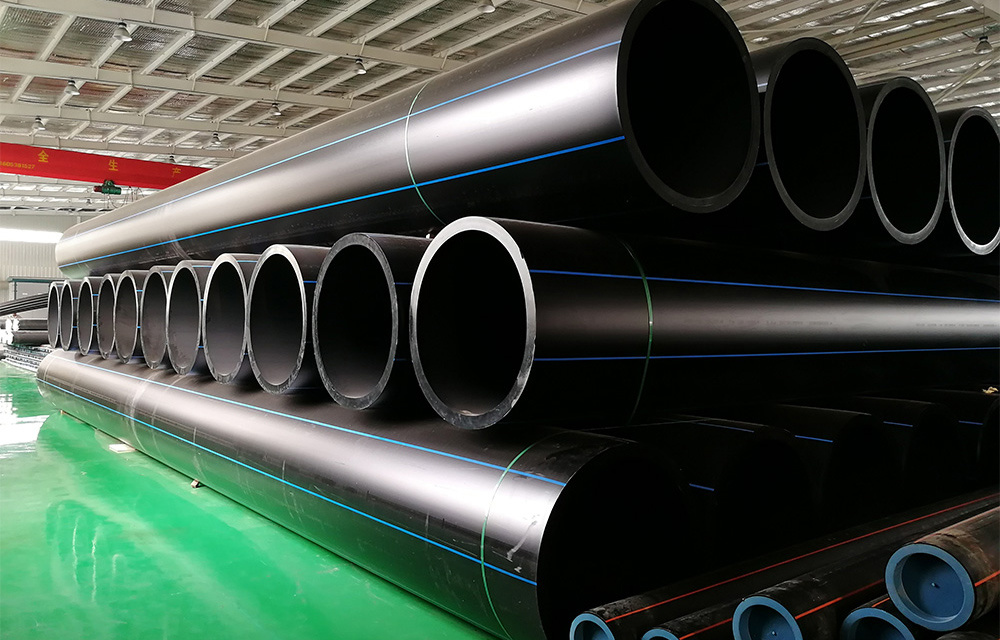
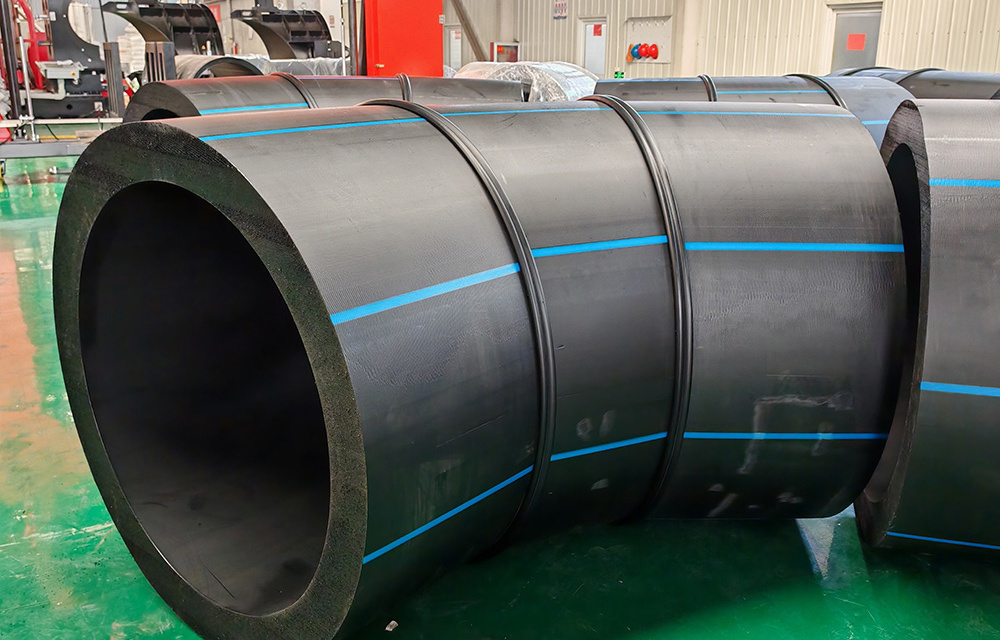
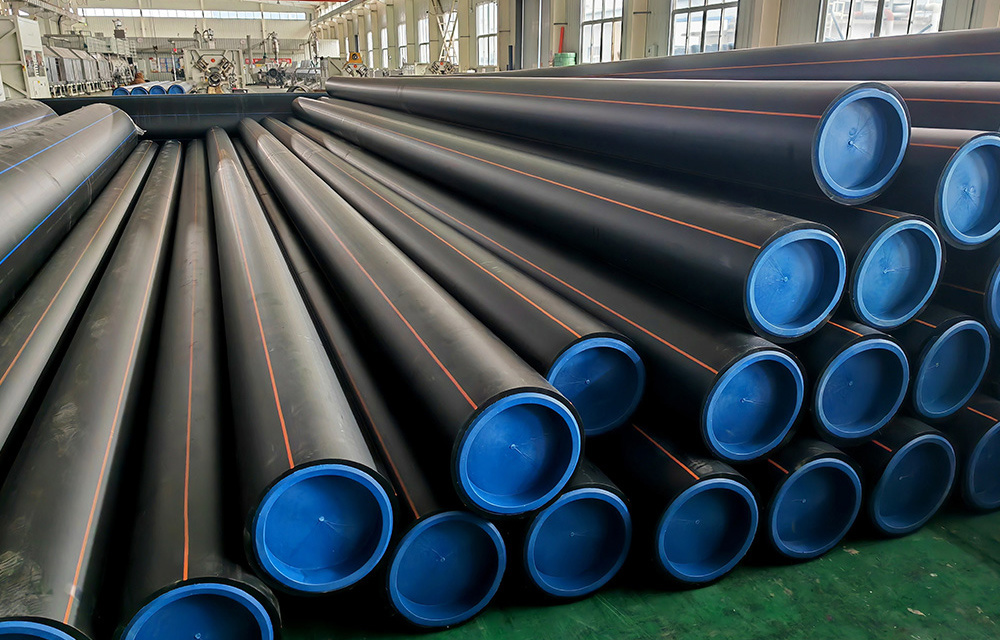
When it comes to geothermal systems, the material used for piping can significantly impact the system's efficiency and longevity. High-Density Polyethylene (HDPE) pipes have emerged as a popular choice for geothermal applications due to their numerous advantages. Understanding these benefits can help stakeholders make informed decisions about their geothermal projects. One of the primary benefits
One of the primary benefits of HDPE pipes is their resistance to corrosion and chemical degradation. Unlike traditional metal pipes, HDPE is not susceptible to rust or corrosion, which can be particularly advantageous in geothermal applications where the fluid transported may contain various minerals and chemicals. This property ensures that HDPE pipes maintain their structural integrity over time, leading to reduced maintenance costs and extended lifespan.
Additionally, HDPE pipes are incredibly durable and can withstand extreme temperatures. In geothermal systems, where pipes are often buried underground and exposed to varying thermal conditions, the flexibility and toughness of HDPE mean they can handle thermal expansion and contraction without cracking. This resilience is essential, as it helps prevent leaks and ensures consistent performance of the geothermal system.
Another significant advantage of using HDPE pipes in geothermal applications is their lightweight nature, which simplifies installation. Compared to traditional piping materials, HDPE is easier to handle and transport, reducing labor costs and installation time. The ease of installation allows for more efficient project execution, enabling geothermal systems to be operational sooner.
Furthermore, HDPE pipes are environmentally friendly. They can be recycled and reused, which aligns with the sustainability goals of many geothermal projects. By choosing HDPE, stakeholders contribute to minimizing waste and reducing the overall ecological footprint of their systems.
In terms of thermal conductivity, HDPE pipes are designed to provide optimal insulation, ensuring that the energy exchanged in geothermal systems is utilized efficiently. This characteristic enhances the overall performance of the geothermal system, leading to increased energy savings and a lower environmental impact.
To sum up, HDPE pipes offer various benefits that make them an excellent choice for geothermal systems. Their resistance to corrosion, durability, lightweight nature, and environmental friendliness position them as a superior alternative to traditional piping materials. As the demand for sustainable energy solutions continues to rise, understanding the advantages of HDPE pipes will enable stakeholders to make the best choices for their geothermal applications, ultimately leading to more efficient and reliable systems.

Customer Service Hotline
Sales Department Email
Website (Web)
Customer Service Email
Business Cooperation Email
Address
No.32 Donghai Road, Cangzhou Development Zone, Hebei Province, China
Company Address
No. 32 Donghai Road, Cangzhou Development Zone, Hebei Province, China