


07
2026
-
04
Understanding PE4710 Pipe: A Comprehensive Guide for the Metallurgy and Energy Sector
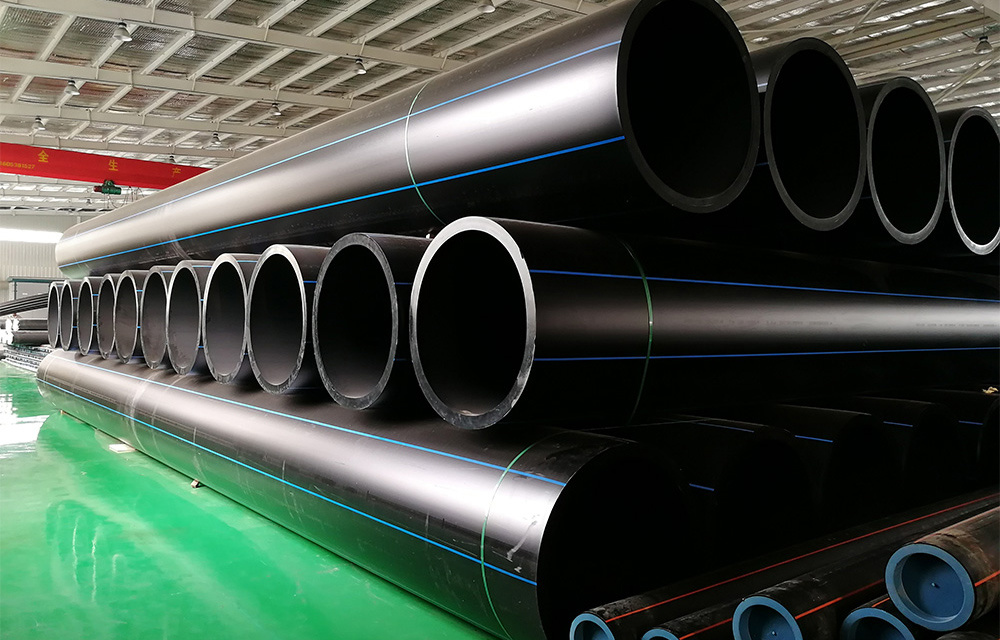
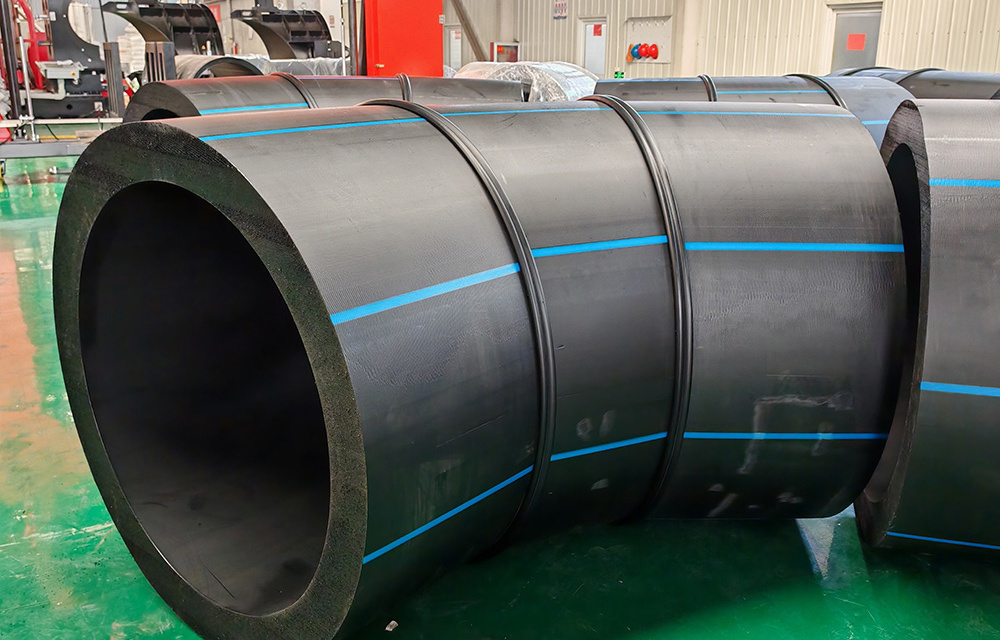
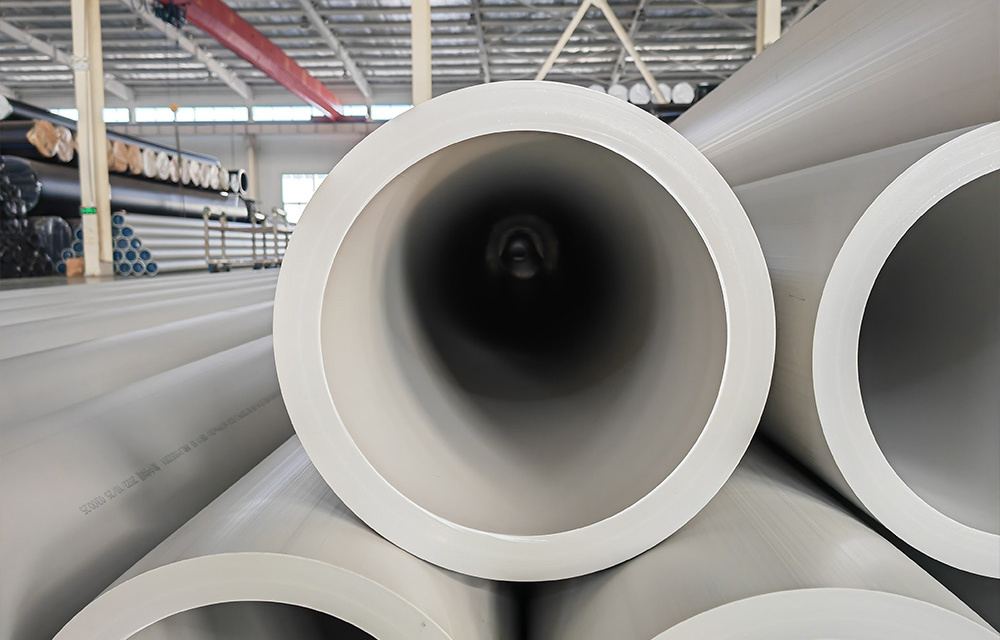
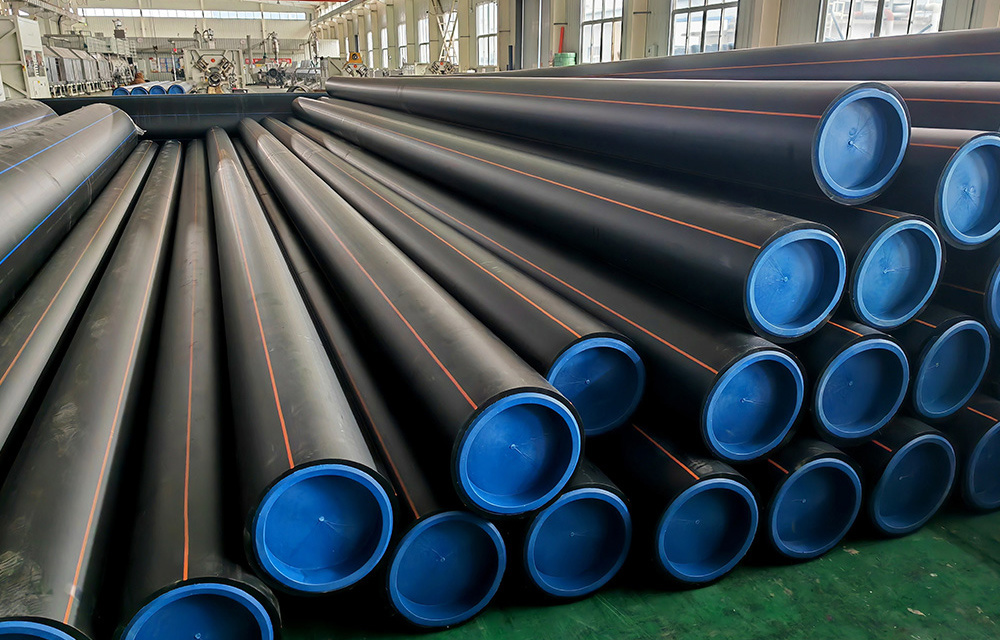
PE4710 pipe, a high-density polyethylene (HDPE) material, has gained recognition in various industries, especially in metallurgy, mining, and energy sectors. Its exceptional performance characteristics make it suitable for a wide range of applications, primarily in fluid transportation systems. One of the defining features of PE4710 pipe is its remarkable resistance to stress cracking and environ
One of the defining features of PE4710 pipe is its remarkable resistance to stress cracking and environmental stressors. This makes it ideal for use in challenging environments, where traditional materials may fail. The pipe's ability to withstand high pressures and temperatures allows for safe and efficient transportation of various fluids, including water, chemicals, and gas.
In the metallurgy and energy industries, PE4710 pipes are often employed in applications such as natural gas distribution, reclaimed water systems, and as a part of the infrastructure for energy projects. The material's lightweight nature simplifies handling and installation processes, reducing the time and labor required for pipeline projects. Furthermore, the flexibility of PE4710 pipes facilitates easy transportation around obstacles and through challenging terrains, which is a significant advantage in field applications.
Another critical aspect of PE4710 pipes is their long-term durability. The pipes are resistant to corrosion, which is a common challenge in the transportation of aggressive chemicals and fluids. This durability not only extends the lifespan of the pipeline but also minimizes maintenance costs over time. Additionally, PE4710 pipes are known for their low thermal conductivity, contributing to energy efficiency, especially when transporting temperature-sensitive fluids.
From an environmental standpoint, PE4710 pipe is an eco-friendly option. Its manufacturing process is designed to minimize environmental impact, and its recyclability adds to its sustainability profile. This aligns with the increasing emphasis on green technologies and practices in the metallurgy and energy sectors.
In conclusion, PE4710 pipes offer numerous advantages for professionals in the metallurgy and energy industries. Their resistance to stress, lightweight nature, durability, and environmental benefits make them a preferred choice for many applications. As industries continue to evolve, the adoption of innovative materials like PE4710 will play a crucial role in enhancing operational efficiencies and sustainability in pipeline systems. Understanding the properties and benefits of PE4710 pipes is essential for industry professionals looking to implement best practices in their operations.

Customer Service Hotline
Sales Department Email
Website (Web)
Customer Service Email
Business Cooperation Email
Address
No.32 Donghai Road, Cangzhou Development Zone, Hebei Province, China
Company Address
No. 32 Donghai Road, Cangzhou Development Zone, Hebei Province, China